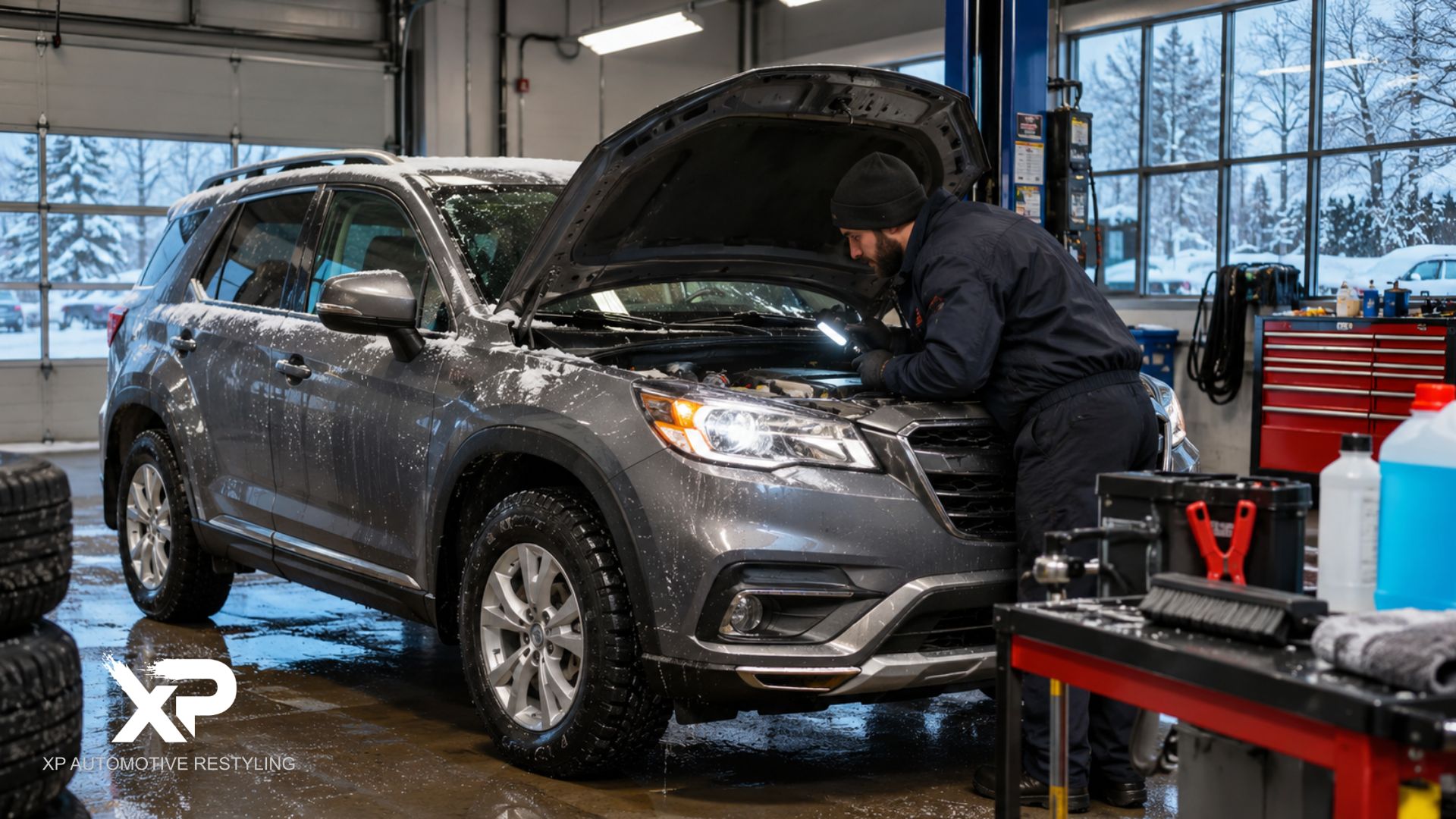
Preparing your car for winter in Southampton, PA, involves more than checking the tires and filling the windshield washer reservoir. Cold temperatures, road salt, freezing precipitation, and changing driving conditions can affect everything from your vehicle’s paint and glass to its battery and braking performance.
A thorough winter car care routine should address mechanical reliability, visibility, exterior protection, and emergency preparedness. For drivers throughout Bucks County, completing these checks before the first significant snowfall can help prevent avoidable problems during the colder months.
Why Is Winter Car Maintenance Important in Southampton, PA?
Winter car maintenance helps reduce the risk of breakdowns, poor visibility, and premature vehicle wear caused by cold weather and treated roads. Southampton drivers encounter conditions that can change quickly, from freezing morning temperatures to wet pavement and slushy afternoon commutes.
Road treatments are particularly relevant to exterior maintenance. Salt and other deicing materials help improve driving conditions, but the resulting residue can accumulate on paint, wheels, wheel wells, and underbody components.
Daily travel along Street Road, Second Street Pike, or nearby routes such as the Pennsylvania Turnpike can expose vehicles to road spray from surrounding traffic. Even when snowfall is limited, damp pavement can transfer substantial amounts of winter grime onto lower body panels.
Temperature fluctuations create additional challenges. Water trapped around door seals may freeze overnight, while low temperatures can reduce battery performance and affect tire pressure.
Preparing early allows drivers to address these concerns before they become inconvenient or potentially hazardous.
Check Your Tires Before Temperatures Drop
Tire condition and inflation pressure are among the most important winter safety checks because cold weather can reduce tire pressure and winter roads demand reliable traction.
Begin by examining the tread depth and overall condition of all four tires. Uneven wear, visible cracking, or damaged sidewalls may indicate that replacement or further inspection is necessary.
Tires also lose inflation pressure as temperatures decrease. A common approximation is a reduction of about 1 PSI for every 10°F drop in ambient temperature, although actual changes vary.
For winter preparation, focus on these checks:
- Tread condition: Inspect for excessive wear and uneven patterns that could affect traction.
- Cold tire pressure: Check inflation before driving and use the vehicle manufacturer’s recommended pressure.
- Tire type: Consider winter tires when regularly driving in snow, ice, or sustained cold temperatures.
- Sidewall damage: Look for bulges, cuts, and other signs of structural deterioration.
- Spare tire or repair kit: Confirm that the equipment is present and ready for use.
Winter tires can offer advantages over conventional all-season tires in cold and snowy conditions, but the appropriate choice depends on driving habits and the vehicle.
For Southampton drivers who commute frequently during winter storms, tire preparation deserves attention well before the weather forecast calls for snow.
Test the Battery, Fluids, and Heating System
A pre-winter inspection should confirm that the battery, essential fluids, heating system, and defrosters are operating properly. These components support reliable starting, engine protection, and visibility when temperatures fall.
Cold weather can make an aging battery's weaknesses more apparent. An electrical system that performs adequately during summer may struggle when starting demands increase and battery output declines.
Having the battery and charging system tested before winter can help identify potential problems.
Engine coolant also requires attention. The cooling system needs an appropriate antifreeze mixture to protect against freezing while maintaining proper engine operating temperatures. Coolant specifications vary by manufacturer, so the correct product and concentration are essential.
Windshield washer fluid should be suitable for freezing temperatures. Summer formulas may freeze in the reservoir or washer lines, leaving drivers without an effective way to clear road spray from the windshield.
Winter Systems Command Center
Select a system, explore its animated display, and track the inspection steps you've completed.
Battery & Charging System
Have the battery's condition and starting capability assessed, and check accessible connections for corrosion or damage. Charging-system testing can help detect other electrical problems.
Professional battery testing is more reliable than guessing from a dashboard indicator.Winter Inspection Progress
Each completed item fills one column. These are checklist records, not vehicle measurements.
Begin with the battery, then review the other systems.
What Should You Verify Before Winter?
Check that the battery holds an adequate charge and its connections are secure, the engine coolant meets the manufacturer's specifications, and the washer reservoir contains winter-rated fluid.
Also verify that the cabin heater produces sufficient heat, the front and rear defrosters function correctly, and the windshield wipers are in good condition.
These checks are especially valuable for vehicles parked outdoors overnight or used for early-morning commuting.
Protect Your Vehicle's Paint From Winter Road Debris
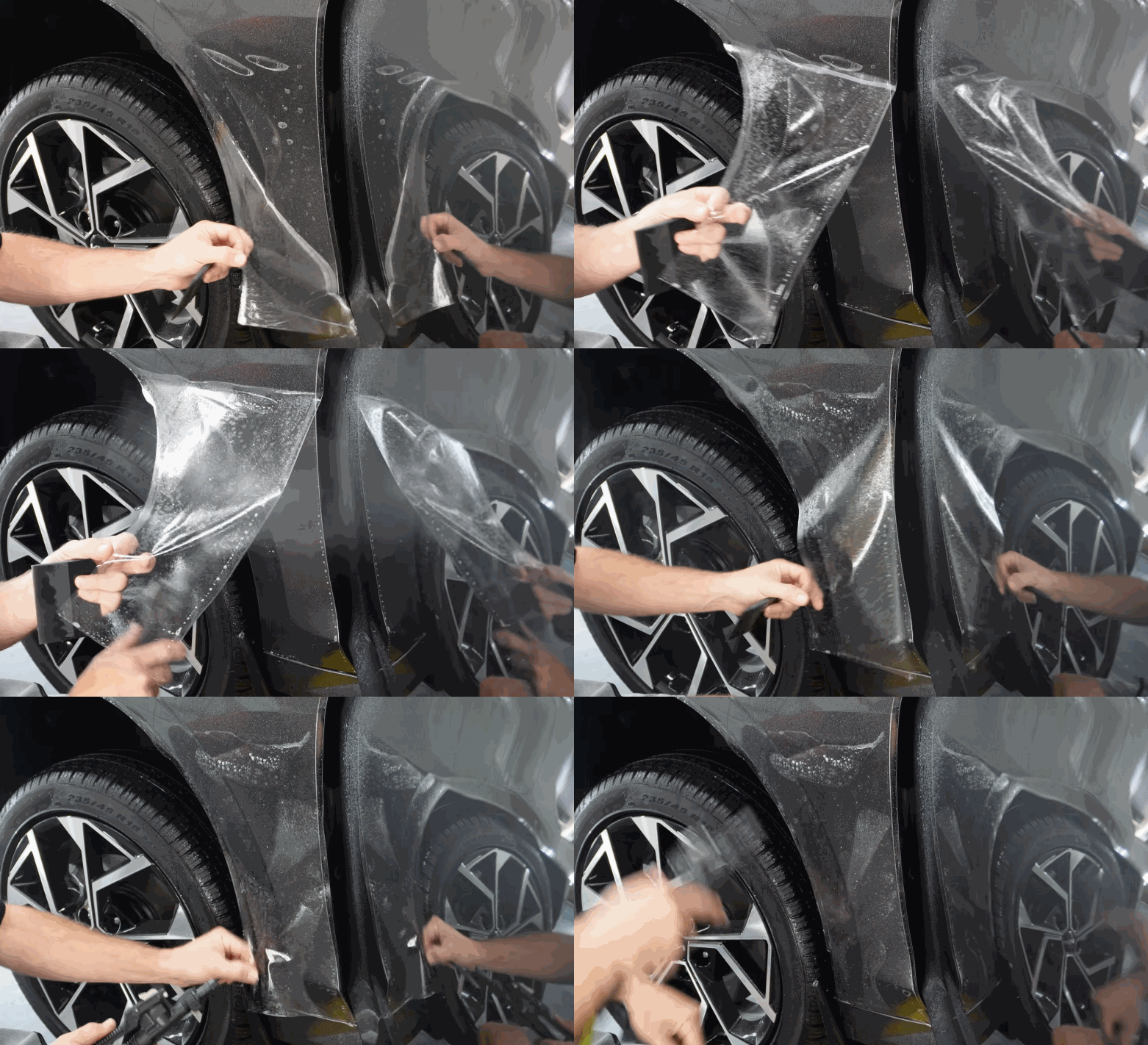
Winter road conditions can expose automotive paint to abrasive particles, loose gravel, and debris that contribute to rock chips and surface damage. Protecting vulnerable panels before the season begins can help preserve the vehicle’s exterior.
Snow removal operations, deteriorating pavement, and repeated freeze-thaw cycles can leave loose material on roads. Passing vehicles may throw these particles toward the front bumper, hood, fenders, and mirror caps.
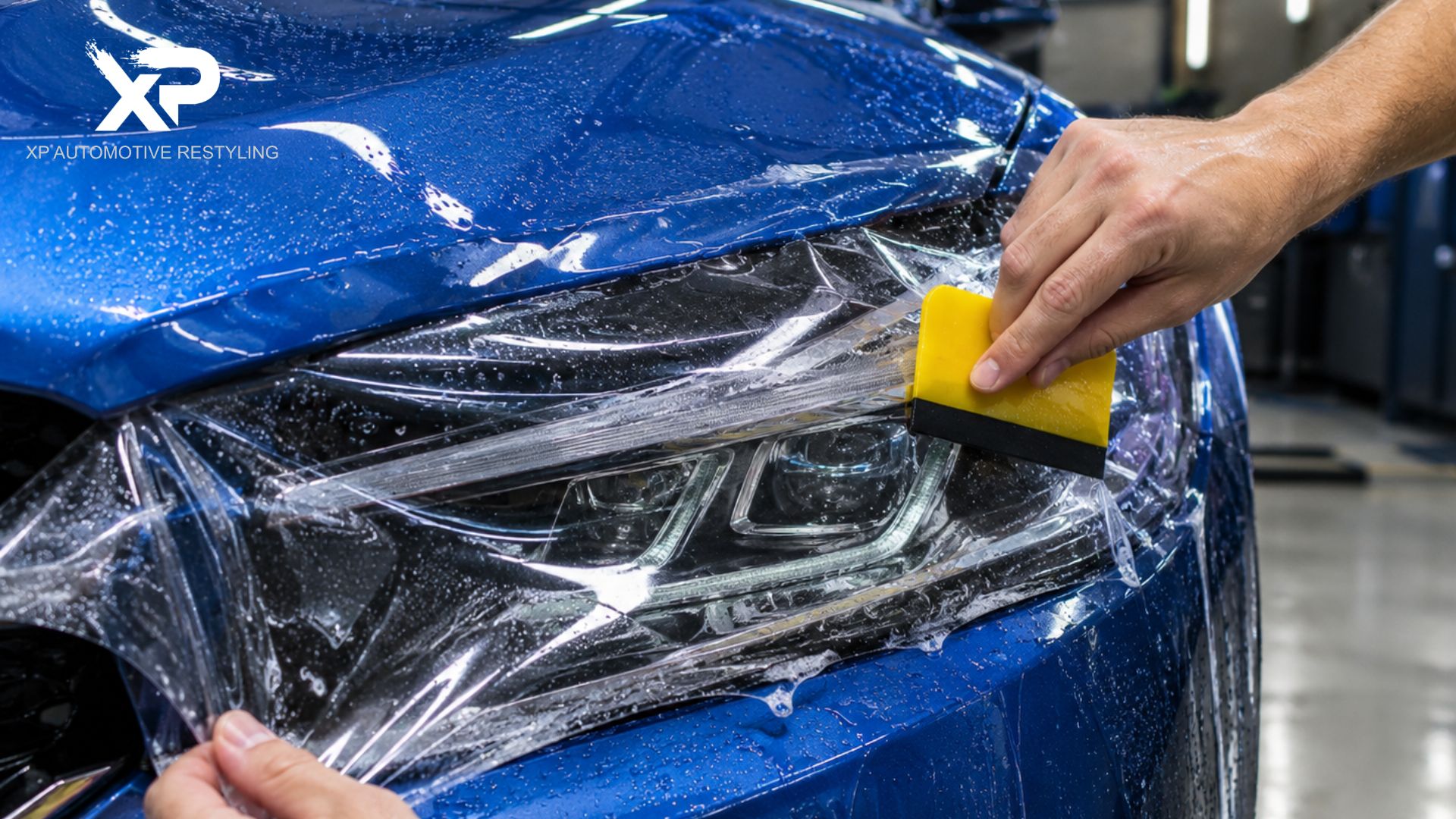
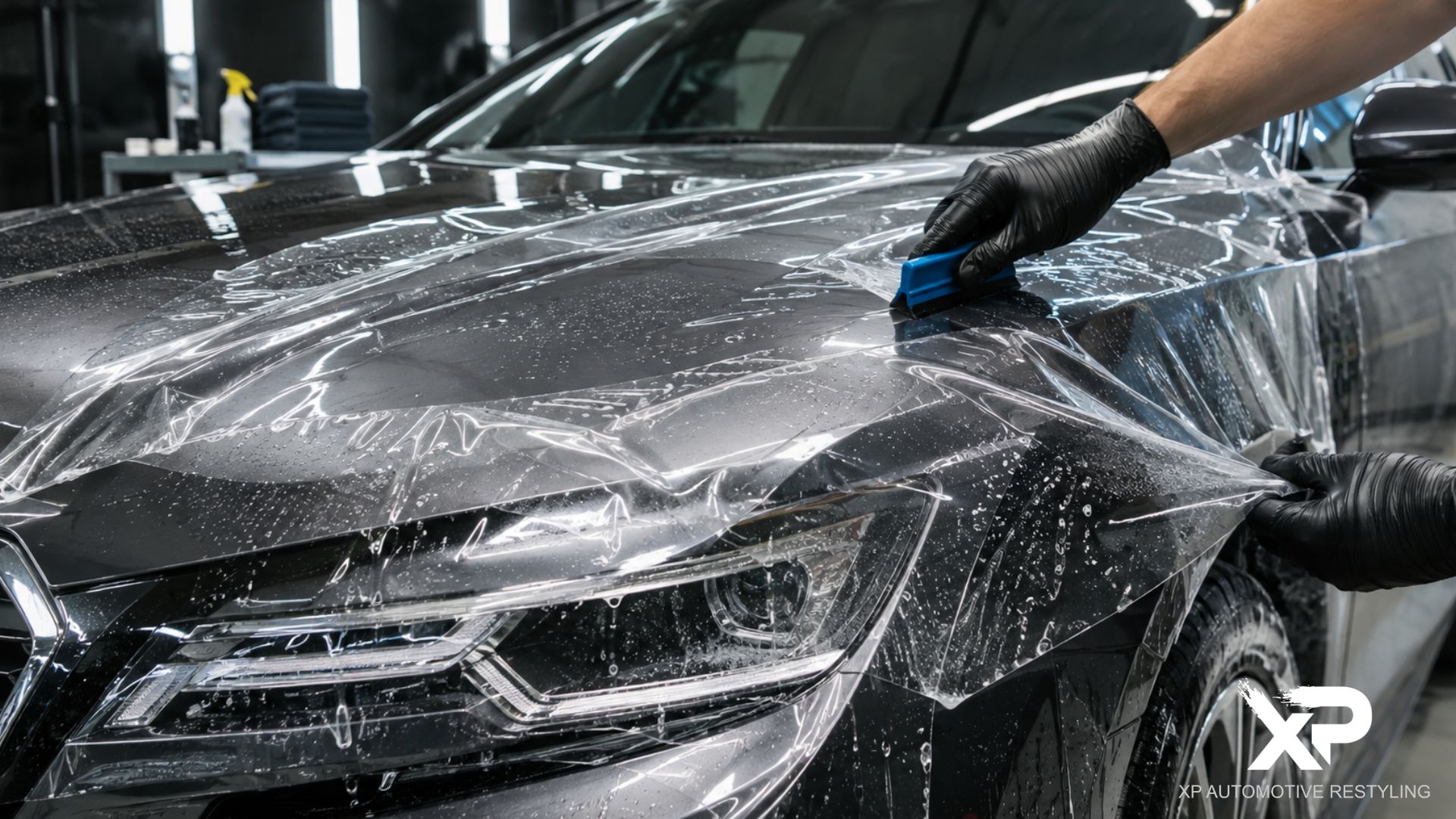
For drivers concerned about physical paint damage, paint protection film (PPF) provides a transparent barrier over exposed surfaces.
PPF is particularly useful for reducing damage from smaller road debris impacts. Many premium films also feature self-healing topcoats that can recover from certain superficial marks under appropriate conditions.
However, paint protection film does not make a vehicle immune to winter damage. Large impacts can still penetrate the material, and road salt must still be washed away from exposed surfaces and underbody areas.
At XP Automotive Restyling, we help Southampton drivers identify areas that may benefit from professional PPF installation based on their daily routes, vehicle design, and driving frequency.
A vehicle that regularly travels busy highways may benefit from full-front protection, while other drivers may prefer more targeted coverage.
The goal is to reduce physical damage to high-exposure painted panels before repeated winter driving takes its toll.
Should You Apply Ceramic Coating Before Winter?
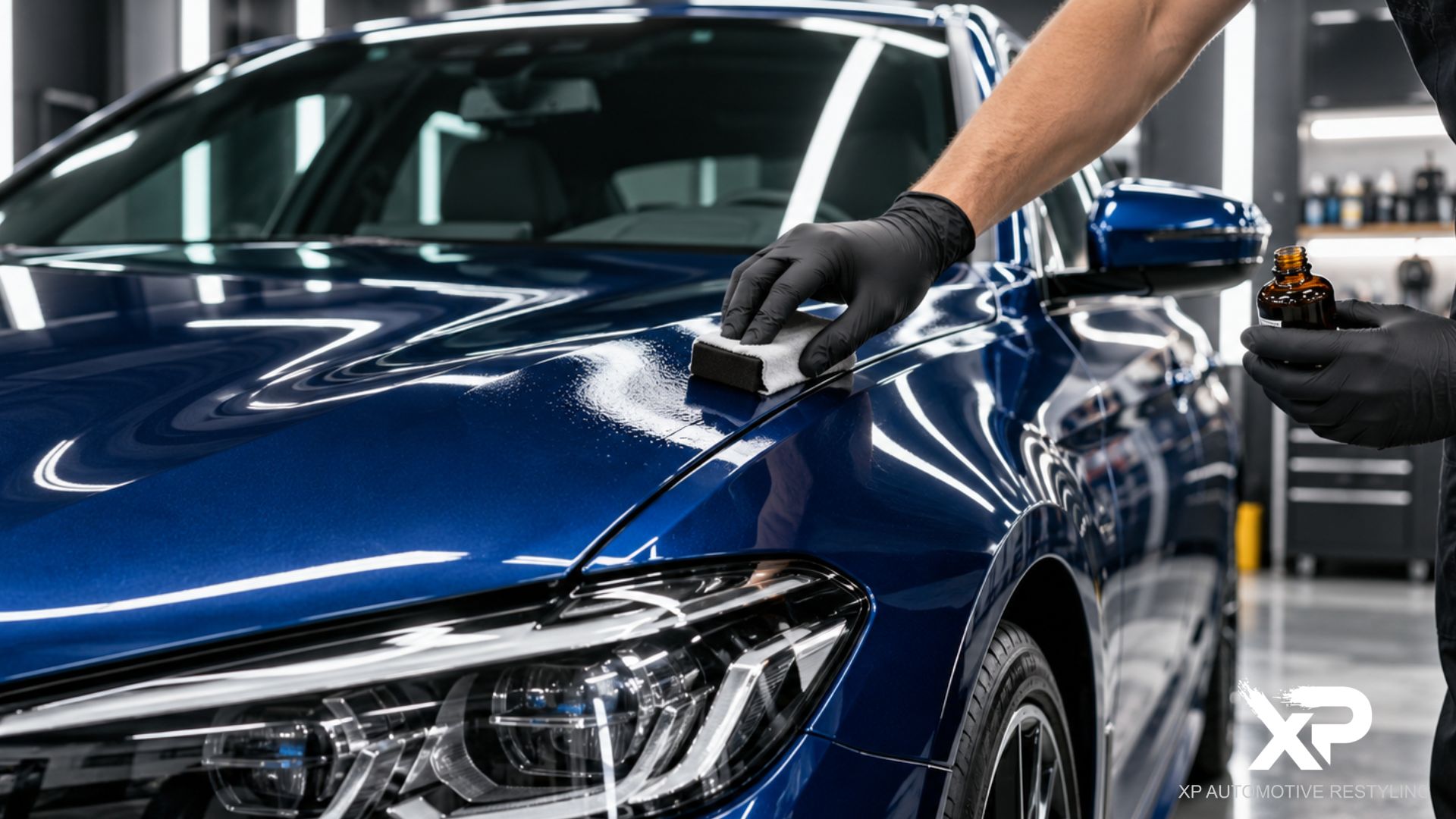
Ceramic coating can be a useful part of winter exterior preparation because it helps reduce contaminant adhesion and makes routine washing easier. Its hydrophobic properties can also help water bead and move across treated surfaces.
During Pennsylvania winters, vehicles often collect a mixture of salt residue, road film, dirt, and moisture. Removing these deposits regularly is important, but repeated cleaning can become time-consuming when grime adheres strongly to the finish.
A professionally applied ceramic coating creates a protective surface layer that can make certain contaminants easier to remove with appropriate washing techniques.
It also enhances gloss and helps maintain the appearance of properly prepared paint.
Winter Grime: The Paint Reveal
Slide across the panel to compare an illustrative winter-contaminated finish with a freshly cleaned, glossy finish. Ceramic coating can make routine contaminant removal easier, but washing is still necessary.
What Type of Winter Protection Matters Most?
Select a protection approach to see which problem it is designed to address.
Ceramic Coating: Easier Winter Maintenance
A professional ceramic coating can help reduce the adhesion of common winter contaminants, improve water beading, and maintain gloss. It does not eliminate washing or provide substantial protection against rock chips.
Should You Combine Ceramic Coating With PPF?
However, ceramic coating should not be confused with paint protection film. It does not provide comparable resistance against rock chips or significant physical impacts, nor does it prevent corrosion on unprotected metal components.
For some Southampton drivers, combining ceramic coating with PPF offers complementary benefits: the film helps protect against physical damage, while the coating supports easier exterior maintenance.
At XP Automotive Restyling , we can help vehicle owners evaluate these options based on their winter driving conditions and long-term protection goals.
The most practical choice depends on whether the priority is reducing paint chips, simplifying cleanup, or addressing both concerns.
The paint comparison is a conceptual illustration, not a measured cleaning test or guarantee. Coating performance depends on preparation, product selection, installation, contamination, and ongoing maintenance.Keep Your Windshield, Windows, and Mirrors Clear
Maintaining clear automotive glass is essential for safe winter driving because frost, road spray, and condensation can quickly reduce visibility. A clean windshield and properly functioning defrosters make it easier to respond to changing road conditions.
Before temperatures drop, inspect the windshield for chips or cracks. Small defects may worsen when exposed to temperature changes, especially when warm air from the defroster meets extremely cold glass.
Windshield wipers also deserve attention. Worn blades can leave streaks or fail to clear slush effectively, making nighttime driving and winter precipitation more challenging.
Remove snow and ice using appropriate tools rather than sharp objects that could scratch the glass. Never pour hot water onto a frozen windshield, as sudden temperature changes may cause damage.
For Southampton drivers considering window tint, professionally installed automotive film can provide year-round benefits such as UV protection and glare reduction, depending on the product. However, tint does not replace proper defrosting or ice removal, and Pennsylvania’s window tint regulations must be considered.
Clean the interior glass regularly as well. A buildup of residue can make condensation and glare more noticeable, particularly during early-morning commutes.
Wash Away Road Salt Before It Accumulates
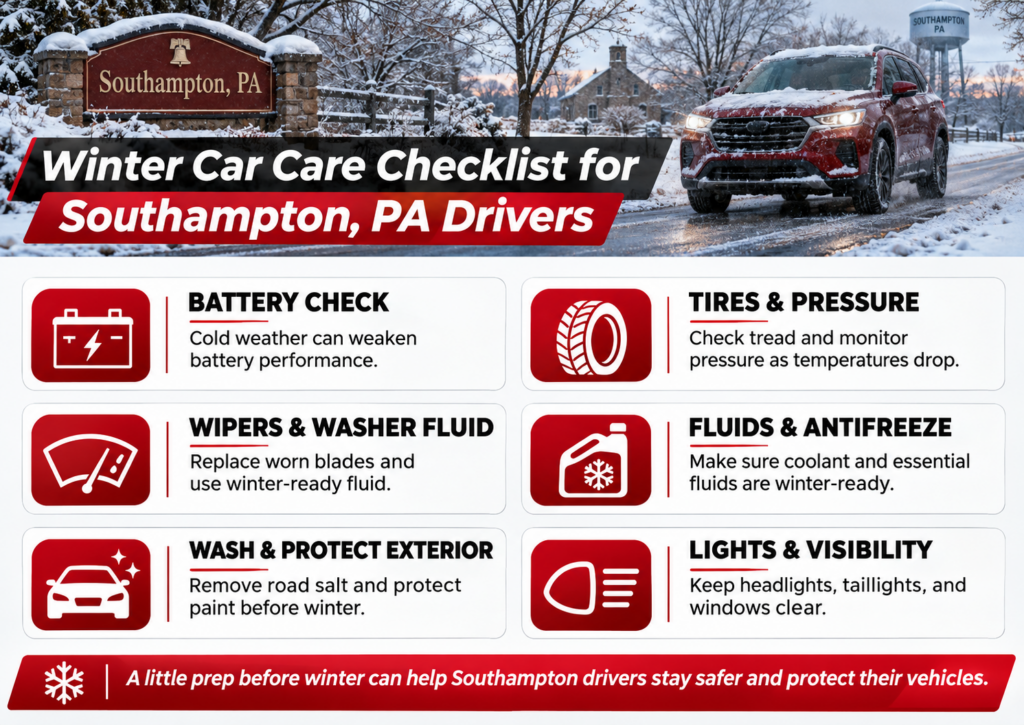
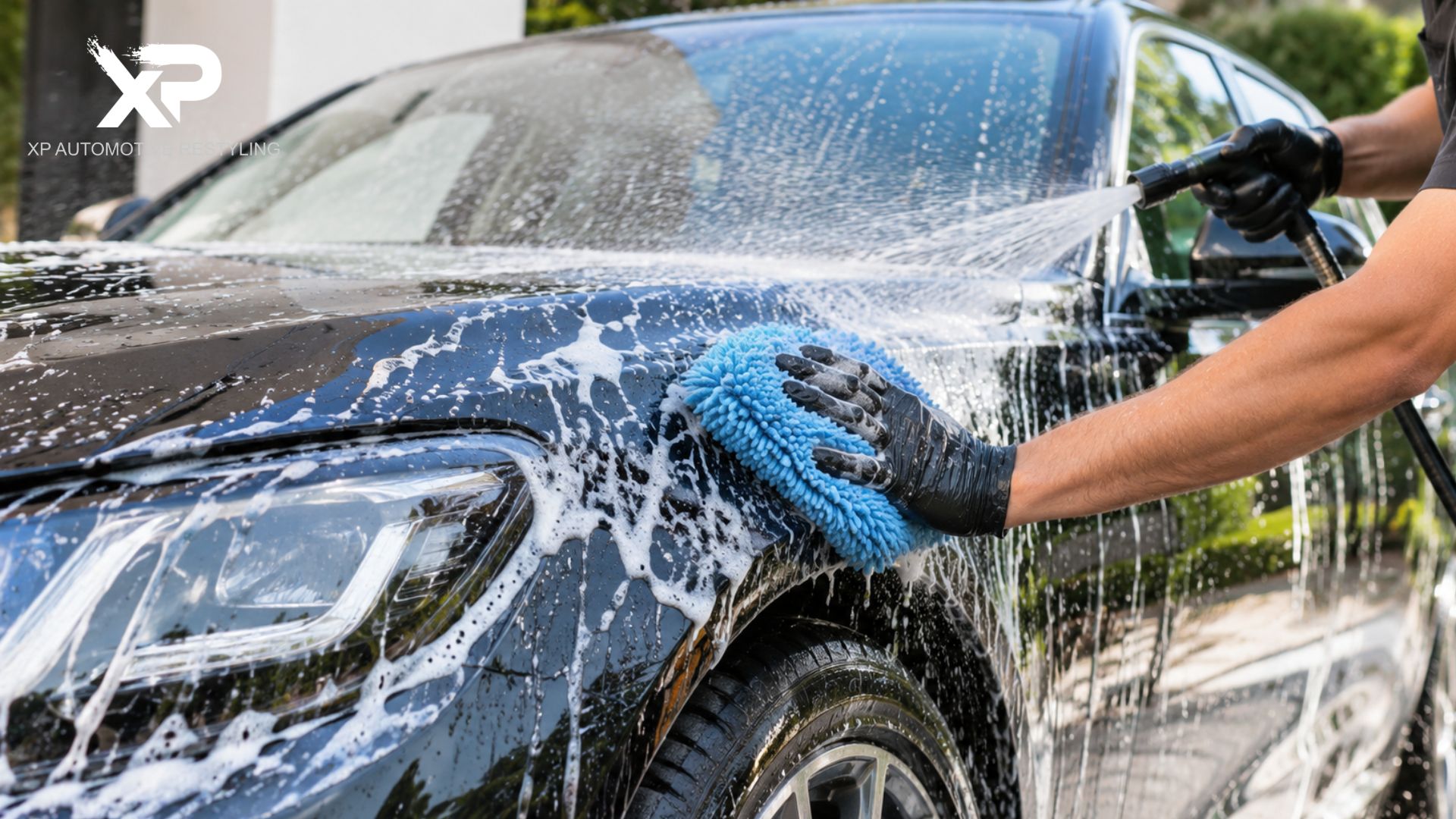
Frequent washing is one of the most effective ways to reduce the accumulation of winter road salt and grime on your vehicle. Although protective coatings can simplify exterior cleaning, they do not eliminate the need to remove corrosive residue.
Saltwater can reach areas that are difficult to inspect, including wheel wells, suspension components, and portions of the underbody. When moisture remains in contact with vulnerable metal surfaces, corrosion can develop over time.
A practical winter washing routine should include:
- Rinse the lower panels: Focus on rocker panels, bumpers, and areas behind the wheels.
- Clean the wheel wells: Remove accumulated slush, dirt, and road-treatment residue.
- Wash the underbody: Use an appropriate undercarriage cleaning service when conditions allow.
- Clean wheels carefully: Choose products compatible with the wheel finish and braking components.
- Dry vulnerable areas: Remove excess water from door openings and seals when possible.
Washing frequency should reflect road conditions rather than following a rigid schedule. After several days of driving on heavily treated roads, cleaning may be necessary even when the vehicle does not appear particularly dirty.
Choose a suitable washing location when temperatures are above freezing, and avoid allowing water to freeze around locks, handles, and weatherstripping.
For vehicles protected with PPF or ceramic coating, follow the product manufacturer’s maintenance instructions and use compatible cleaning solutions.
Regular washing remains important regardless of which exterior protection products are installed.
When Should You Schedule Professional Winter Car Care?
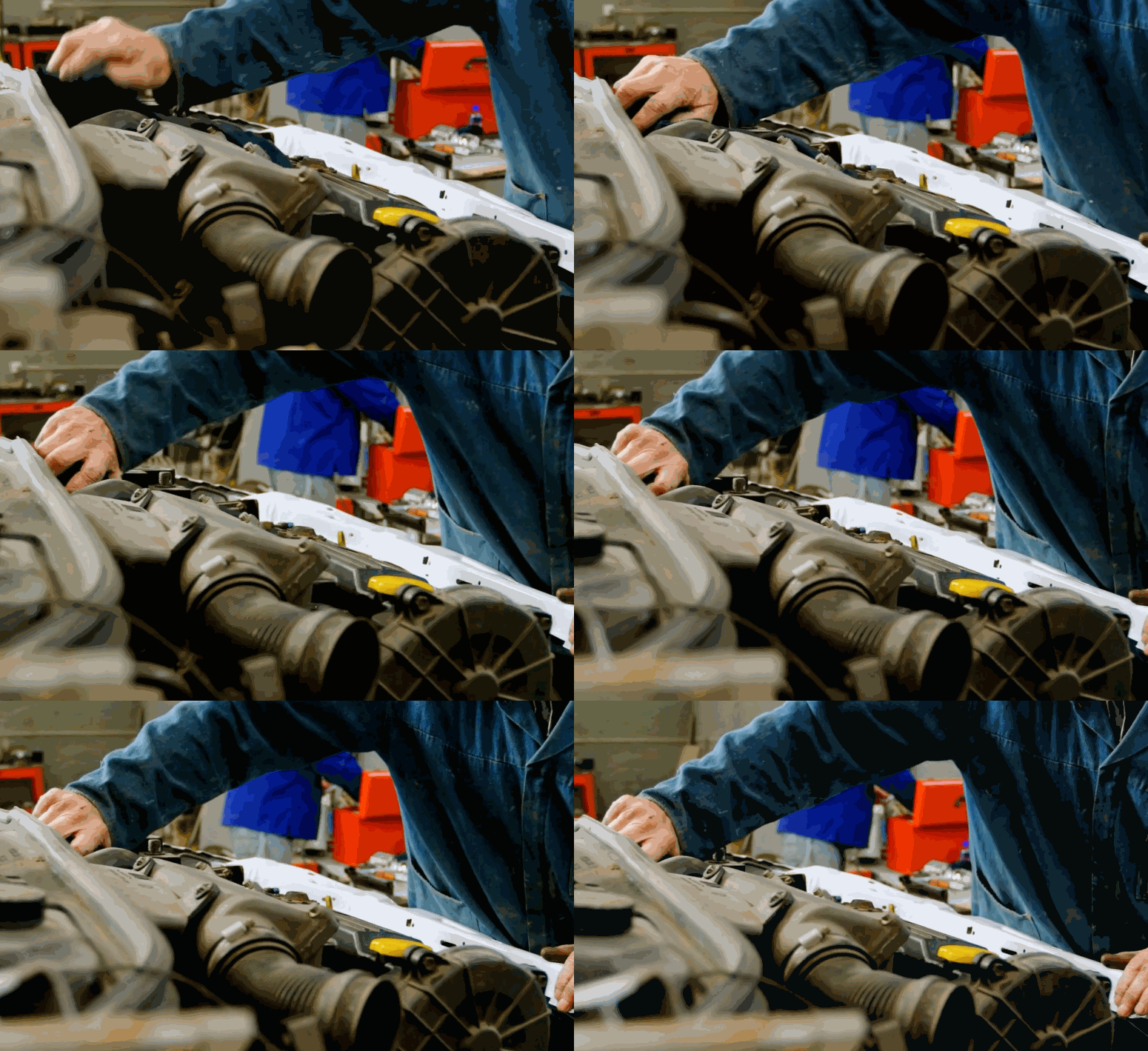
Professional winter preparation is most useful before sustained freezing temperatures and winter road treatments become common. Scheduling exterior protection and detailing services early provides time to address existing contamination and evaluate the vehicle’s condition.
Mechanical maintenance and exterior care serve different purposes, but both contribute to a more complete winter preparation plan.
A qualified mechanic should handle concerns involving tires, brakes, batteries, fluids, and other safety-critical systems.
Professional automotive detailing, meanwhile, can help remove accumulated contaminants and prepare painted surfaces for suitable protection products.
For drivers considering ceramic coating, proper surface preparation is particularly important. The paint may require decontamination or correction before the coating is applied.
Similarly, PPF installation should begin with an evaluation of the paint’s condition and the panels most exposed to road debris.
At XP Automotive Restyling, we provide automotive detailing, paint protection film, ceramic coating, and window tint services for drivers in Southampton and surrounding Bucks County communities.
Preparing these surfaces before winter can make seasonal maintenance more manageable while helping preserve the vehicle’s appearance.
Conclusion: Get Your Vehicle Ready for Winter in Southampton, PA
A complete winter car care checklist should address vehicle safety, mechanical reliability, visibility, exterior cleaning, and paint protection. Taking care of these areas before winter weather arrives can reduce avoidable problems and make everyday driving more manageable.
For Southampton drivers, the combination of freezing temperatures, road salt, slush, and loose pavement debris makes preventive maintenance particularly valuable.
Your Route to Winter Readiness
Complete the five preparation checkpoints below. Watch your vehicle move toward the finish line as you track your winter car care progress.
Complete Your Winter Preparation Checkpoints
Select each checkpoint once the relevant inspection or maintenance has actually been completed. The route updates automatically.
Begin With Essential Safety Checks
Start by inspecting your tires and other safety-related components. Reliable vehicle operation should come before cosmetic preparation or protective treatments.
Get Your Vehicle's Exterior Ready for Winter
Start with essential safety checks, including tires, battery condition, fluids, windshield wipers, and heating systems. Then inspect your vehicle's exterior and establish a consistent washing routine, especially after driving on heavily treated roads.
At XP Automotive Restyling, we help Southampton drivers prepare for challenging seasonal conditions with professional detailing, ceramic coating, and paint protection film services.
Contact XP Automotive Restyling → The interactive route tracks completed checklist items, not actual mechanical condition or driving safety. The vehicle illustration and progress are educational. Professional inspection may be required for certain systems.XP Automotive Restyling - PPF, Window Tinting, Ceramic Coatings