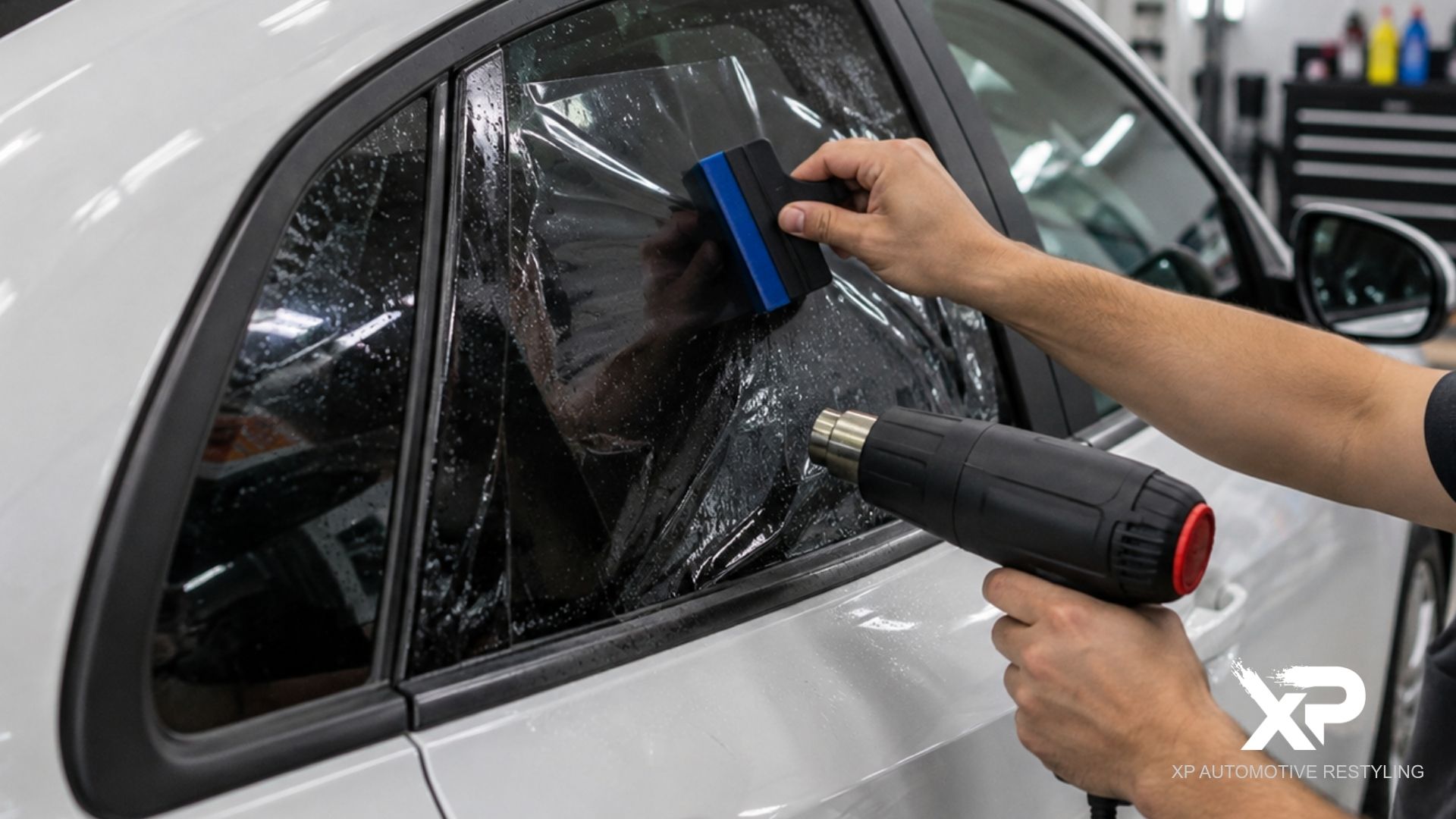
A vehicle doesn’t need to be abused to start showing paint wear. Around Southampton, daily commuting alone is enough to slowly chip away at the finish over time. A few miles on Route 1 every morning, regular parking lot exposure, summer heat sitting on the hood for hours, and constant highway driving through Bucks County all create small amounts of damage that gradually become visible.
The tricky part is that most of this wear happens little by little. One rock chip here, a few bug stains there, minor scratches from road debris, fading from UV exposure, and suddenly the front end of the vehicle looks older than it should. That’s why more drivers are looking at paint protection film less as a luxury upgrade and more as practical prevention.
For those of us at XP Automotive Restyling who drive daily ourselves, car ppf has become one of the most realistic ways to maintain a cleaner-looking vehicle without obsessing over every mile. Vehicle paint protection in Southampton, PA simply makes more sense when your car spends most of its life on the road instead of inside a garage.
What Paint Protection Film Actually Does for a Daily Driver
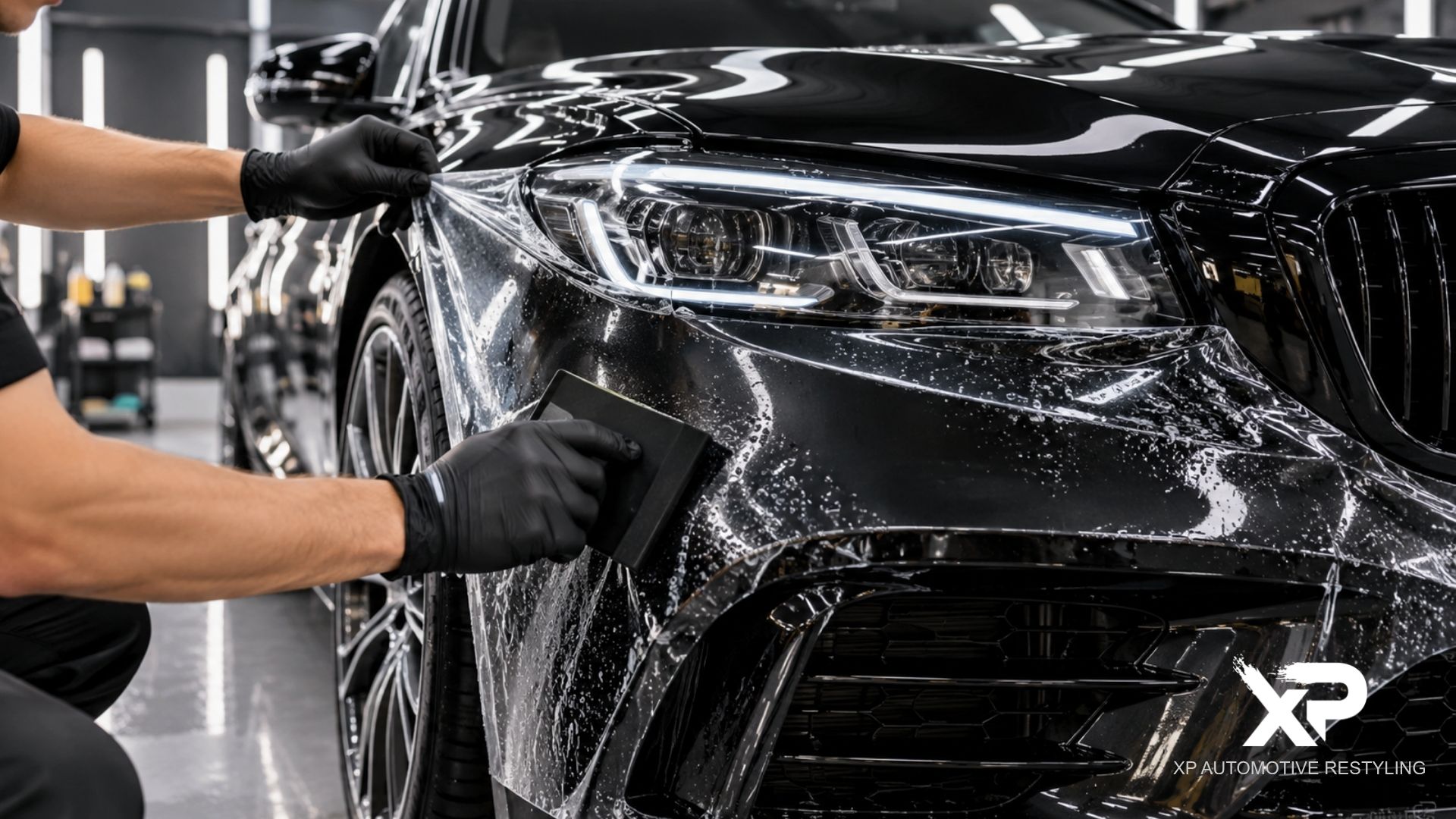
At its core, paint protection film acts like a transparent shield between your paint and everything the road throws at it. The idea isn’t to make the vehicle indestructible, it’s to absorb the smaller impacts and surface abuse that happen constantly during normal driving.
What Modern Car Protection Film Helps Protect Against
- Rock chips from highway traffic and construction zones
- Bug splatter that can stain paint during hot summer drives
- Minor scratches caused by road debris and daily use
- UV exposure that slowly dulls or fades painted surfaces
- Surface swirl marks that self healing ppf technology can minimize over time
One of the biggest reasons drivers appreciate clear bra protection once they’ve lived with it for a while is consistency. The front end stays cleaner-looking longer, and small imperfections that normally build up month after month become far less noticeable.
Modern car protection film has evolved quite a bit compared to older generations too. Today’s materials are clearer, more flexible, and designed to maintain both gloss and protection through real daily driving conditions.
Why Southampton Roads Can Be Hard on Vehicle Paint
Southampton drivers deal with a combination of conditions that are surprisingly rough on exterior paint, especially for vehicles driven every single day. It’s not one dramatic event that causes most damage, it’s the nonstop exposure to smaller things over time.
The Everyday Wear Drivers Usually Stop Noticing
- Gravel kicked up near construction zones throughout Bucks County
- Constant highway debris during commuting hours on Route 1 and I-95
- Tight parking lots where door dings and scratches happen easily
- Seasonal debris like salt residue, pollen, dirt, and bug buildup
At XP Automotive Restyling, we’ve worked on plenty of vehicles where the owner barely noticed the gradual damage until they saw the front bumper under direct sunlight. That’s usually when people realize how much daily driving contributes to paint wear.
Highway paint protection becomes especially valuable when the vehicle is exposed to these conditions year-round. Even careful drivers can’t completely avoid road debris or rock chip protection issues once the miles start adding up consistently.
Is Paint Protection Film Worth It for Non-Luxury Cars?
One of the biggest misconceptions about paint protection film is that it only belongs on exotic cars or high-end weekend vehicles. In reality, some of the people who benefit most from car ppf are daily commuters, families, and drivers who simply spend a lot of time on the road.
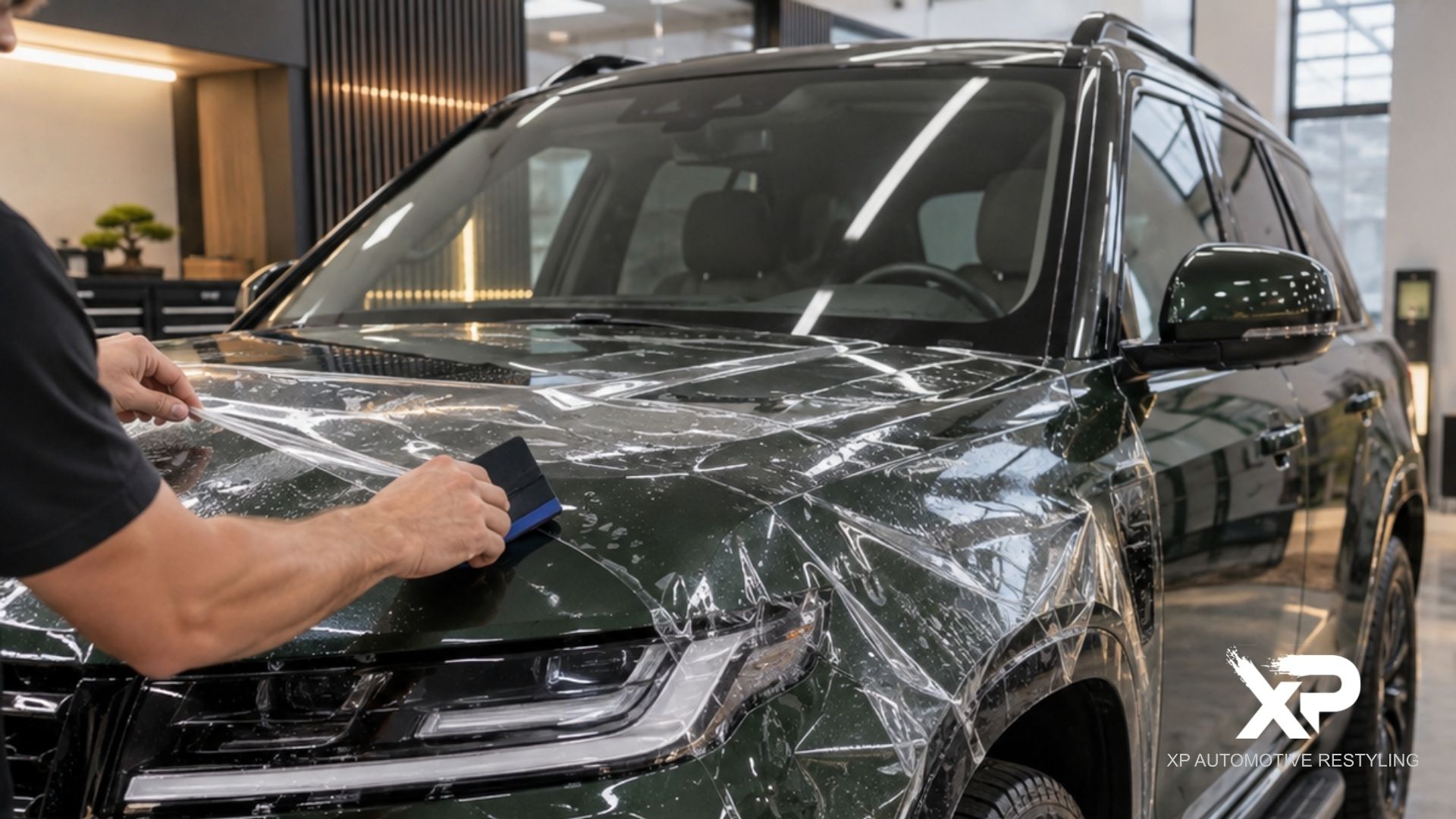
A newer SUV driving through Southampton every day is exposed to the same gravel, UV rays, bug splatter, and highway debris as a luxury vehicle. The paint doesn’t really care what badge is on the hood.
Why Daily Drivers Often Benefit the Most
- The vehicle accumulates far more road exposure over time
- Daily use increases the chances of chips, scratches, and staining
- Long term vehicle protection helps maintain appearance and resale value
- Drivers spend more time looking at and using the vehicle every week
When people ask us “is paint protection film worth it,” the answer usually depends less on the type of car and more on how often it’s driven. A daily commuter can sometimes gain more practical value from daily driver paint protection than a garage-kept sports car that only comes out occasionally.
For many drivers, it ultimately becomes a quality-of-life upgrade. The vehicle simply ages more gracefully under normal use.
Understanding PPF Cost for Daily Drivers
PPF cost can vary pretty significantly depending on the type of coverage, the vehicle itself, and the quality of the material being installed. That’s part of why comparing pricing online can sometimes feel confusing, because two quotes may involve completely different levels of protection.
Some drivers choose a partial front ppf wrap focused on the hood, bumper, mirrors, and fenders, while others prefer full-body coverage for more complete protection. Vehicle size also changes the amount of material and labor involved.
The Biggest Factors Behind Paint Protection Film Pricing
- Coverage area selected for the vehicle
- Film quality and self-healing technology
- Complexity of the vehicle’s body lines and panels
- Installation precision and labor involved
The key thing we usually tell drivers is not to think about paint protection film pricing only in terms of the initial number. Repairing paint chips, repainting damaged panels, or correcting long-term wear can become expensive surprisingly fast.
For daily drivers around Southampton, the value often comes from avoiding repeated cosmetic damage over the years rather than trying to maintain a showroom-perfect vehicle forever.
Why Choosing the Right PPF Installer Matters
Even premium paint protection film can disappoint if the installation itself isn’t done correctly. Most of the long-term performance people expect from PPF, things like clean appearance, durability, and edge stability, depends heavily on the skill of the installer behind it.
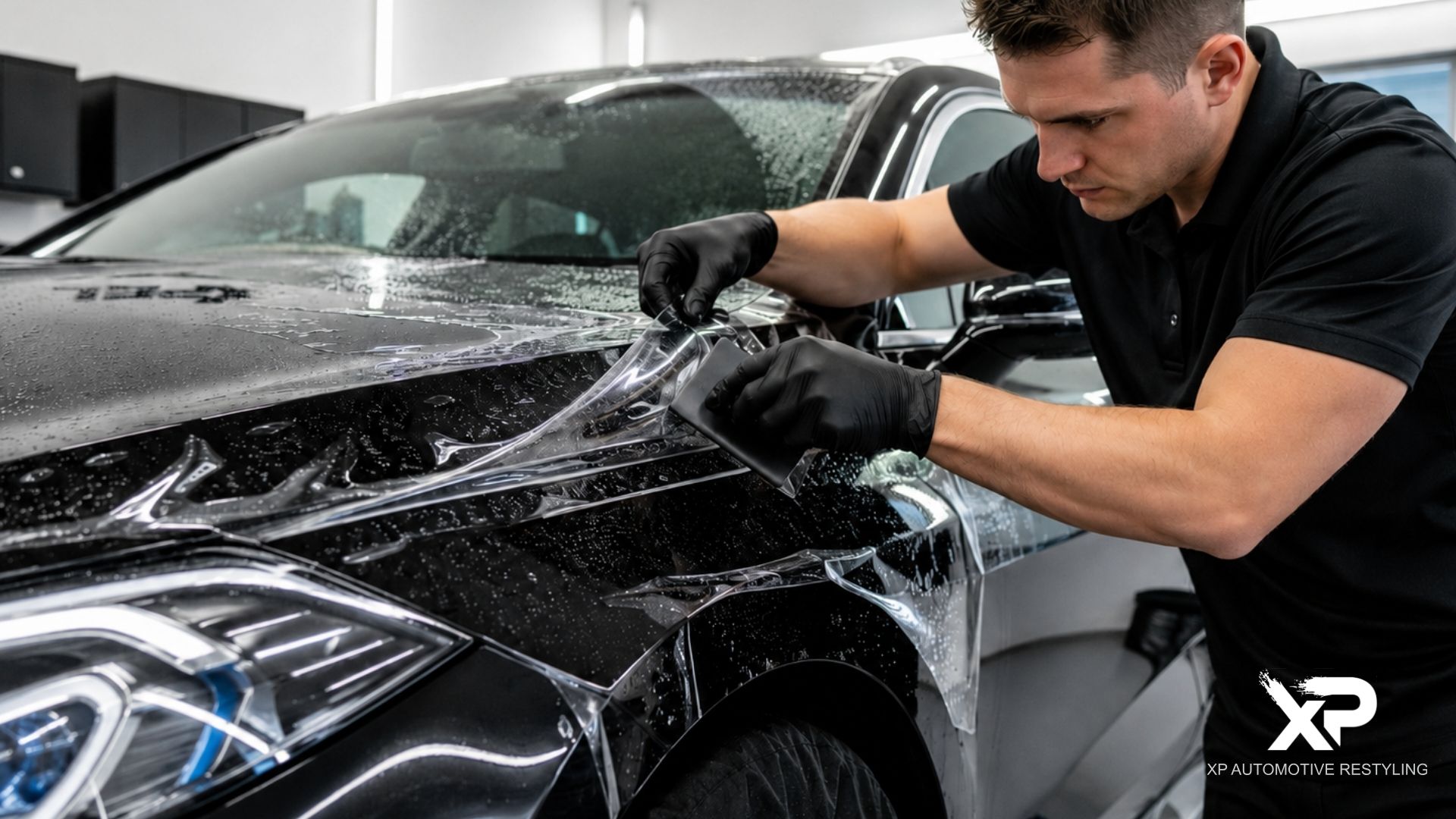
A professional ppf installation involves far more detail than simply placing film onto the paint. Before anything gets installed, the surface has to be properly cleaned and prepared so contaminants don’t become trapped underneath. Precision cutting also matters because poorly aligned film becomes noticeable quickly, especially around complex body lines.
What Quality Paint Protection Film Installation Should Include
- Thorough surface preparation before the film touches the vehicle
- Clean edge wrapping to help reduce visible seams and lifting
- Precision cutting and alignment for consistent coverage
- Proper curing time so the film settles correctly onto the paint
At XP Automotive Restyling, we’ve removed plenty of poorly installed film over the years, and the same problems tend to appear repeatedly. Lifting edges, trapped debris, uneven alignment, and visible contamination are usually the result of rushed installation environments or inexperienced work.
Choosing the right ppf installer is really about protecting the investment itself. A high-quality film deserves installation standards that allow it to actually perform the way it was designed to.
How Daily Drivers Get the Most Value From PPF

One of the smartest things about modern PPF is that protection can be customized based on how the vehicle is actually used. Not every daily driver needs full-body coverage to benefit from vehicle protection film.
For many Southampton drivers, strategic protection on high-impact areas provides the best balance between coverage and budget.
The Areas That Usually Take the Most Abuse
- Front bumpers dealing with constant highway debris
- Hood edges exposed to rock chips during commuting
- Side mirrors catching gravel and road spray
- Rocker panels collecting dirt and impact from lower road debris
Partial front ppf setups are popular because they focus protection exactly where daily wear tends to happen first. Some drivers later expand into custom ppf coverage after seeing how much cleaner protected areas remain compared to unprotected paint.
At XP Automotive Restyling, we usually guide people based on their actual driving habits rather than pushing maximum coverage automatically. A commuter driving Route 1 every day has different priorities than someone who mainly uses the vehicle on weekends.
The best value often comes from protecting the areas that realistically take the most punishment over time.
Common Misunderstandings About Paint Protection Film
A surprising number of opinions about PPF still come from experiences people had ten or fifteen years ago. Back then, some films were thicker, less clear, and more prone to discoloration over time. Modern materials have changed significantly, but many paint protection film myths continue to stick around.
One misconception is that modern ppf technology still looks overly visible on the vehicle. In reality, today’s premium films are dramatically clearer and designed to blend naturally into the paint surface, especially once fully cured.
Another misunderstanding is that PPF somehow eliminates all maintenance. It definitely helps reduce long-term paint damage, but proper washing and regular care still matter. Dirt, bug residue, and contaminants should still be removed properly to maintain the film’s appearance and longevity.
There’s also a huge difference between products themselves. Not all films offer the same clarity, durability, or self-healing capabilities. Some maintain gloss and flexibility for years, while others begin showing wear much sooner under daily exposure.
Understanding proper ppf maintenance and choosing the right material usually makes a much bigger difference than people expect when it comes to long-term satisfaction.
Conclusion: Protect Your Daily Driver Before Damage Adds Up
Daily driving around Southampton may not feel aggressive in the moment, but over time, highway debris, UV exposure, bug splatter, parking lot wear, and constant road exposure slowly take a toll on automotive paint. Most of that damage happens gradually, which is why many drivers don’t fully notice it until years later.
Paint protection film helps reduce that long-term wear by creating a durable barrier between the paint and everyday driving conditions. Whether it’s preventing rock chips on the highway or helping preserve the vehicle’s appearance through changing Pennsylvania seasons, quality PPF can make a noticeable difference for daily drivers.
Just as important as the material itself is the quality of the installation. Working with an experienced ppf installer helps ensure the film looks clean, performs properly, and lasts the way it’s supposed to over time.
At XP Automotive Restyling, we help Southampton drivers find realistic protection solutions based on how they actually use their vehicles. Whether you’re interested in partial front coverage or a more complete paint protection film package, our team is here to help you protect your vehicle long before damage starts adding up.
XP Automotive Restyling - PPF, Window Tinting, Ceramic Coatings