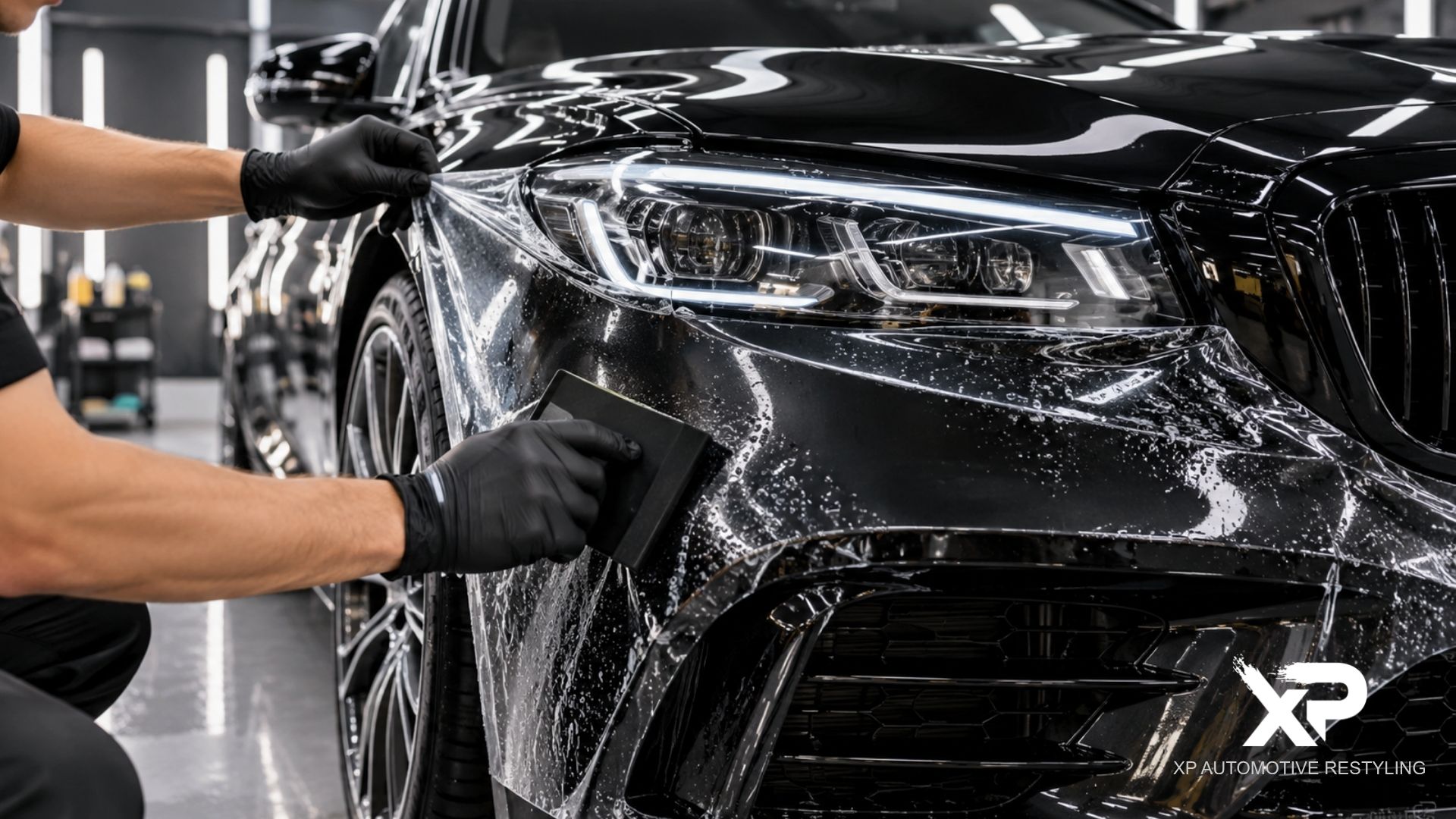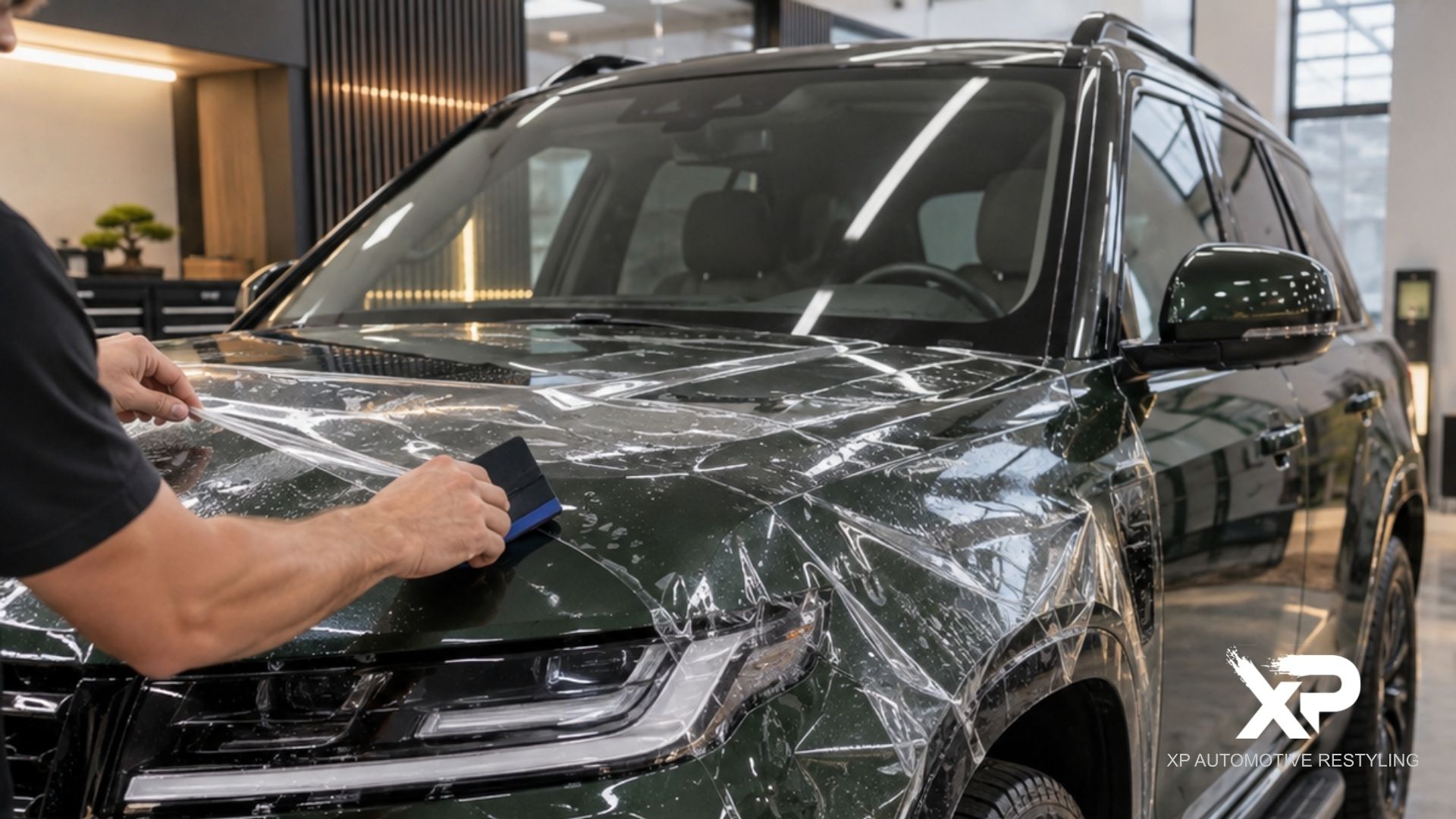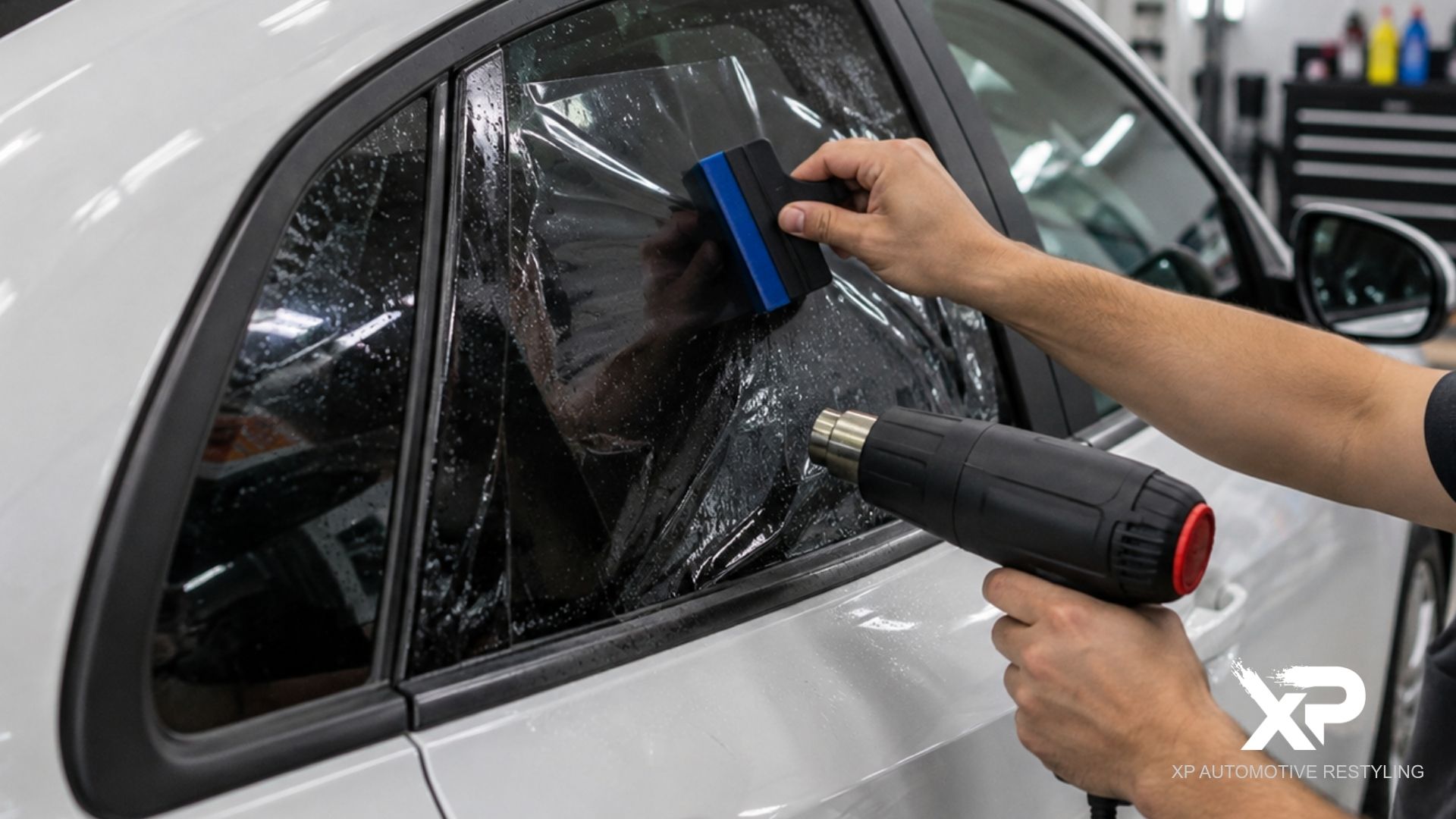
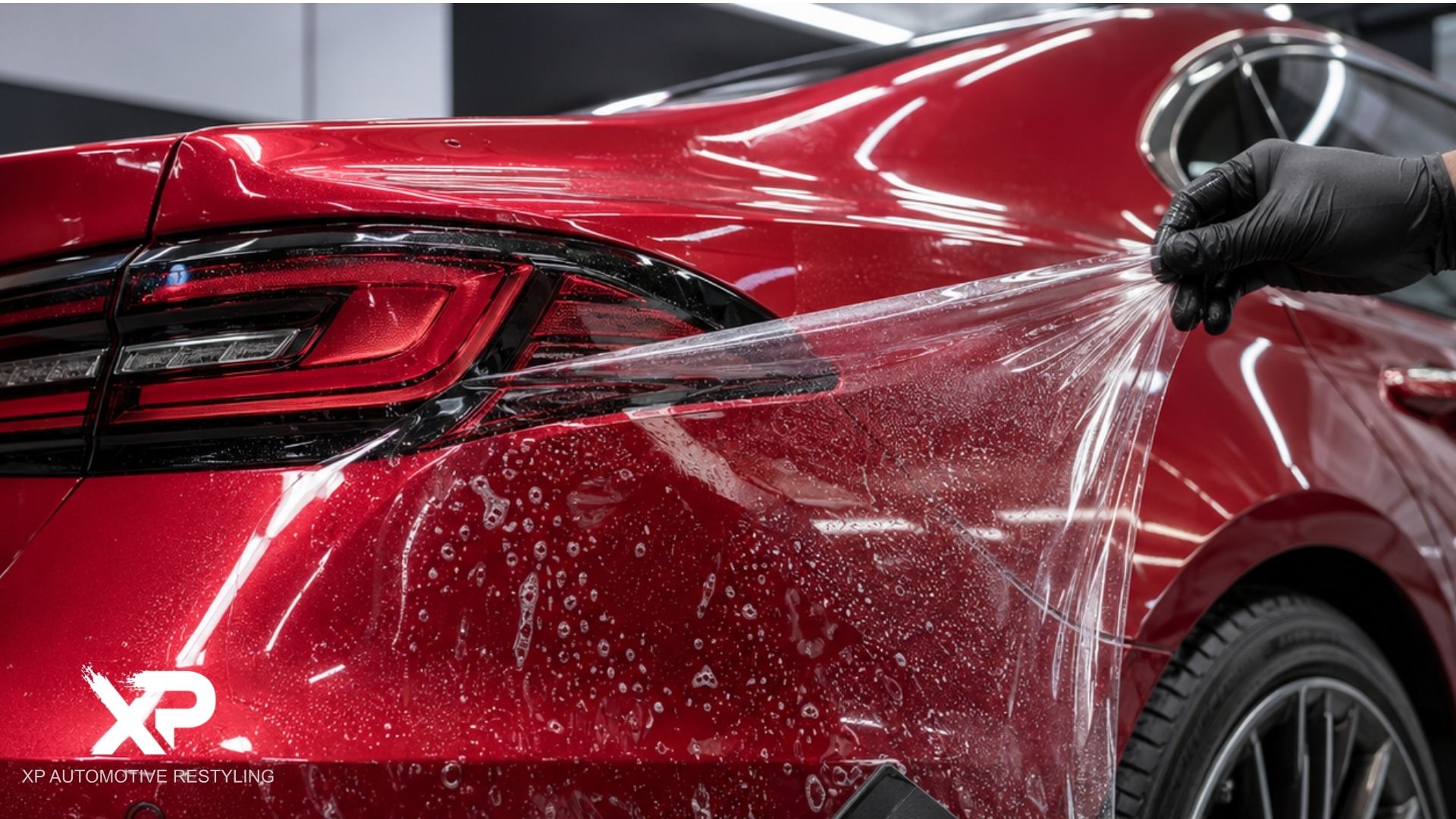
Paint protection film can be applied over some existing scratches, but the final result depends on the depth and condition of the paint. PPF installation protects the paint as it exists today rather than repairing previous damage, making a professional inspection an important part of quality PPF services before installation.
Can Paint Protection Film Be Installed Over Scratched Paint?
Yes. Paint protection film can often be installed over light surface scratches, but deeper defects should be evaluated before installation to determine whether additional preparation will improve the final appearance.
One of the biggest misconceptions about PPF is that it works like a cosmetic repair. It doesn’t. The film is designed to preserve the paint beneath it by creating a durable protective barrier against future damage. Existing imperfections may still be present unless they are corrected beforehand.
For drivers around Southampton, PA, frequent travel along Route 1, daily Bucks County commuting, highway driving, and outdoor parking all contribute to gradual paint wear. By the time many owners begin considering protection, their vehicles have already collected minor swirl marks or light scratches from years of regular use.
That’s why paint condition is one of the first things we evaluate before recommending PPF installation. Understanding the current state of the finish allows us to recommend the right preparation so your vehicle paint protection delivers the best possible long-term results.
Which Types of Scratches Can Be Covered by Paint Protection Film?
Light clear coat scratches are often suitable for Paint Protection Film, while deeper scratches that reach the paint or primer usually require additional attention before installation. Determining the depth of the damage is one of the most important steps in deciding whether the surface is ready for protection.
Not every scratch affects the finish in the same way. Some imperfections are limited to the clear coat and have little impact on the final appearance once the film is installed. Others extend beyond the clear coat and remain visible because Paint Protection Film protects the surface rather than concealing existing damage.
The type of scratch usually falls into one of these categories:
- Clear coat scratches: These shallow imperfections are often good candidates for protection and may require little or no correction before installation.
- Paint-level scratches: When a scratch reaches the colored paint layer, it will usually remain visible beneath the film unless it is repaired first.
- Primer or bare metal damage: These deeper defects generally require paint repair before applying paint protection film if the goal is to achieve the best cosmetic result.
At XP Automotive Restyling, we evaluate every vehicle individually because paint condition varies from one car to the next. By identifying the difference between clear coat scratches and more significant damage, we can recommend the right preparation and provide the most effective surface scratch protection for the road ahead.
Should Scratches Be Repaired Before PPF Installation?
Paint correction is often recommended when scratches are visible enough to affect the finished appearance after the film is installed. Correcting the paint beforehand allows the protective film to preserve a cleaner, more refined surface.
That doesn’t mean every vehicle needs extensive correction. Many daily drivers have small imperfections that owners are comfortable leaving in place, especially when the primary goal is preventing additional damage rather than achieving a showroom finish.
When Paint Correction Is Most Beneficial
- Scratches are easily visible in normal lighting.
- Swirl marks reduce the clarity or gloss of the paint.
- The owner wants the highest possible cosmetic finish.
- The vehicle is new or recently refinished and appearance is a priority.
Choosing whether to perform paint correction before PPF often comes down to expectations. Some owners prefer to perfect the finish before protecting it, while others are happy preserving the paint in its current condition. Either approach can be appropriate when combined with proper paint preparation and professional PPF installation.
What Happens if PPF Is Installed Over Existing Damage?
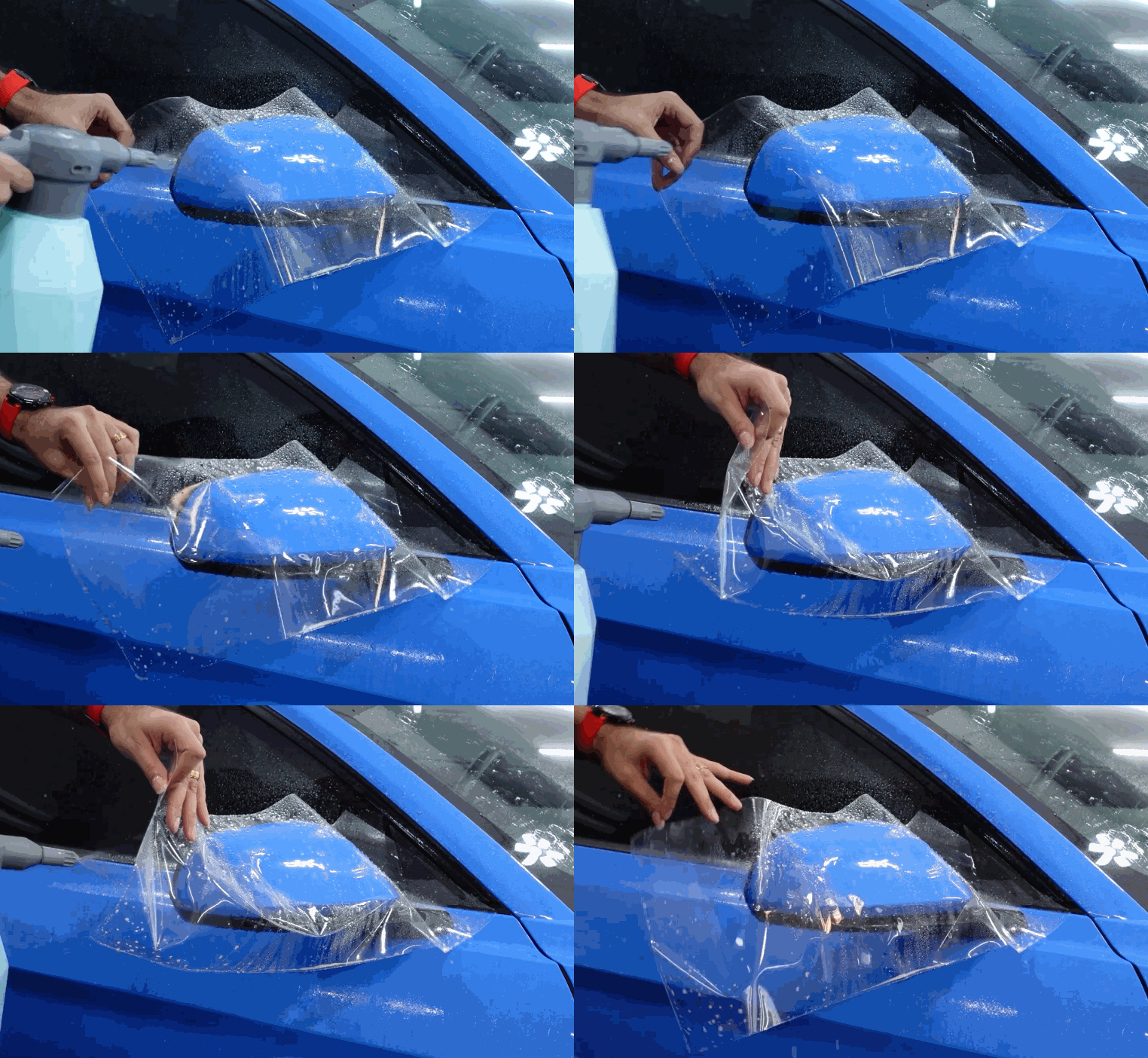
Paint Protection Film does not hide or repair existing paint damage. It protects the surface from future wear, but scratches, chips, and other imperfections that already exist can still remain visible beneath the film.
Because the film is transparent, it follows the contours of the paint rather than masking defects. In some lighting conditions, existing damage may appear nearly unchanged after installation. That’s why understanding the condition of the paint beforehand is so important.
Many owners appreciate this straightforward approach because it sets realistic expectations. Rather than promising cosmetic improvements that the film was never designed to provide, we focus on helping preserve the finish from that point forward.
At XP Automotive Restyling, we believe honest recommendations produce the best long-term results. If a scratch would benefit from repair before installation, we’ll explain why. If protecting the current finish makes the most sense, we’ll recommend that instead. Knowing how PPF over scratches actually performs allows owners to make informed decisions about paint defect protection and long-term paint protection film solutions.
How Do Professionals Evaluate Paint Before Installing PPF?
A complete paint inspection determines whether preparation or correction is recommended before installation. Evaluating the paint beforehand allows installers to identify imperfections, recommend the appropriate level of preparation, and create the best possible foundation for Paint Protection Film.
The evaluation begins long before the film is applied. Dirt, road grime, and embedded contaminants can hide defects or interfere with adhesion, so the surface is thoroughly cleaned before the paint is assessed. Once the vehicle is clean, specialized lighting helps reveal scratches, swirl marks, chips, and other imperfections that might not be noticeable under normal daylight.
A professional evaluation typically includes:
- Thorough cleaning: Removes dirt and residue to reveal the paint’s true condition.
- Surface decontamination: Eliminates embedded contaminants so the film can adhere properly.
- Lighting inspection: Uses controlled lighting to identify defects that could affect the finished appearance.
- Surface preparation: Completes any recommended polishing or correction before the film is installed.
Every stage of PPF preparation has a direct impact on the final result. A careful paint inspection allows professional PPF services to achieve better clarity, stronger adhesion, and a more refined finish than simply applying Paint Protection Film over an unprepared surface.
Is Paint Protection Film Still Worth It if Your Vehicle Has Minor Imperfections?
Yes. Many vehicles with minor cosmetic wear are still excellent candidates for Paint Protection Film because protecting the paint now can help prevent additional damage over time.
It’s common for daily drivers to develop a few light scratches, small chips, or swirl marks after several years on the road. Those imperfections don’t automatically mean the vehicle is too late for protection. In many cases, preserving the current condition of the paint is far more valuable than allowing additional wear to accumulate.
Instead of focusing only on making a vehicle look brand new, many owners choose Paint Protection Film because they plan to keep their vehicle for years. Daily commuting around Southampton, Bucks County, and surrounding highways exposes the front end to constant debris, making early protection beneficial even if the finish isn’t perfect.
At XP Automotive Restyling, we often remind customers that protection is about preserving progress, not chasing perfection. Whether your goal is long-term paint protection, daily driver protection, or maintaining the best possible vehicle paint preservation, installing Paint Protection Film can still be a smart investment even when minor cosmetic flaws already exist.
Does Existing Paint Damage Affect How Long PPF Lasts?
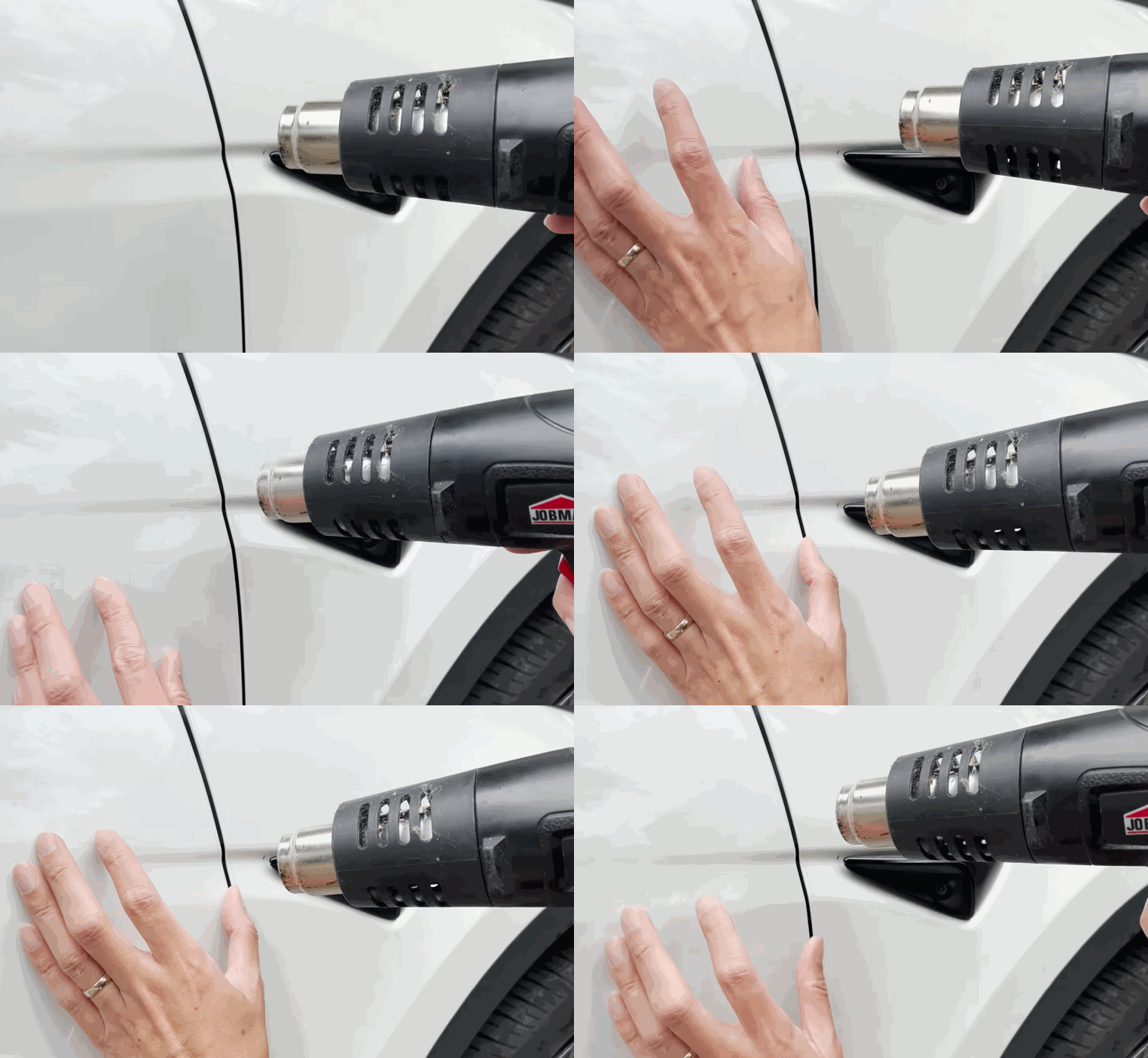
Existing paint damage does not usually shorten the lifespan of Paint Protection Film, provided the paint is stable and the surface is properly prepared before installation. The condition of the paint can influence the final appearance, but long-term performance depends much more on proper adhesion and professional installation.
Small cosmetic imperfections are often compatible with PPF, but loose paint, peeling clear coat, or areas where the finish is no longer securely bonded should be addressed first. Applying film over unstable paint can affect how well it adheres and may create problems later if the underlying finish continues to deteriorate.
Before recommending installation, we evaluate several factors:
- Whether the paint is securely bonded to the panel.
- If scratches are cosmetic or indicate deeper paint damage.
- Whether clear coat failure is beginning to develop.
- If paint correction or repairs would improve the final result.
At XP Automotive Restyling, we believe protecting healthy paint produces the best long-term outcome. A careful evaluation helps ensure the film performs as intended while preserving the finish for years of daily driving around Southampton and Bucks County.
Conclusion: Protect the Paint You Have Before Damage Gets Worse
Paint Protection Film protects your vehicle’s current paint condition, but it is not intended to repair existing scratches. Its purpose is to preserve the finish you have today by creating a durable barrier against future rock chips, road debris, bug splatter, and everyday wear.
The best results always begin with understanding the condition of the paint before installation. A professional evaluation helps determine whether simple preparation is sufficient or whether paint correction would improve the final appearance. Taking that extra step allows the film to perform as intended while delivering a cleaner finished result.
Choosing experienced installers and high-quality materials is equally important. Professional PPF installation and trusted PPF services help ensure proper surface preparation, precise fitment, and long-lasting protection that continues to perform through years of daily driving.
At XP Automotive Restyling, we’re committed to helping Southampton drivers make informed decisions about protecting their vehicles. We’ll carefully inspect your paint, explain your options honestly, and recommend the solution that best fits your vehicle’s condition and your long-term goals.
If you’re considering Paint Protection Film in Southampton, PA, contact XP Automotive Restyling today. Schedule a consultation with our team and receive a professional paint evaluation before installation, so you can choose the right protection strategy and keep your vehicle looking its best for years to come.
XP Automotive Restyling - PPF, Window Tinting, Ceramic Coatings