Most vehicles don’t develop paint damage evenly. Instead, wear tends to concentrate in specific areas that face the greatest exposure to road debris, environmental contaminants, and daily driving conditions. That’s why one section of a vehicle may look nearly flawless while another shows chips, scratches, and signs of heavy use.
For drivers around Southampton and throughout Bucks County, understanding where damage typically occurs can make vehicle protection decisions much easier. A commuter traveling Route 1 every day faces different challenges than a vehicle that spends most of its time parked in a garage. The same principle applies to the paint itself. Some panels absorb far more abuse than others.
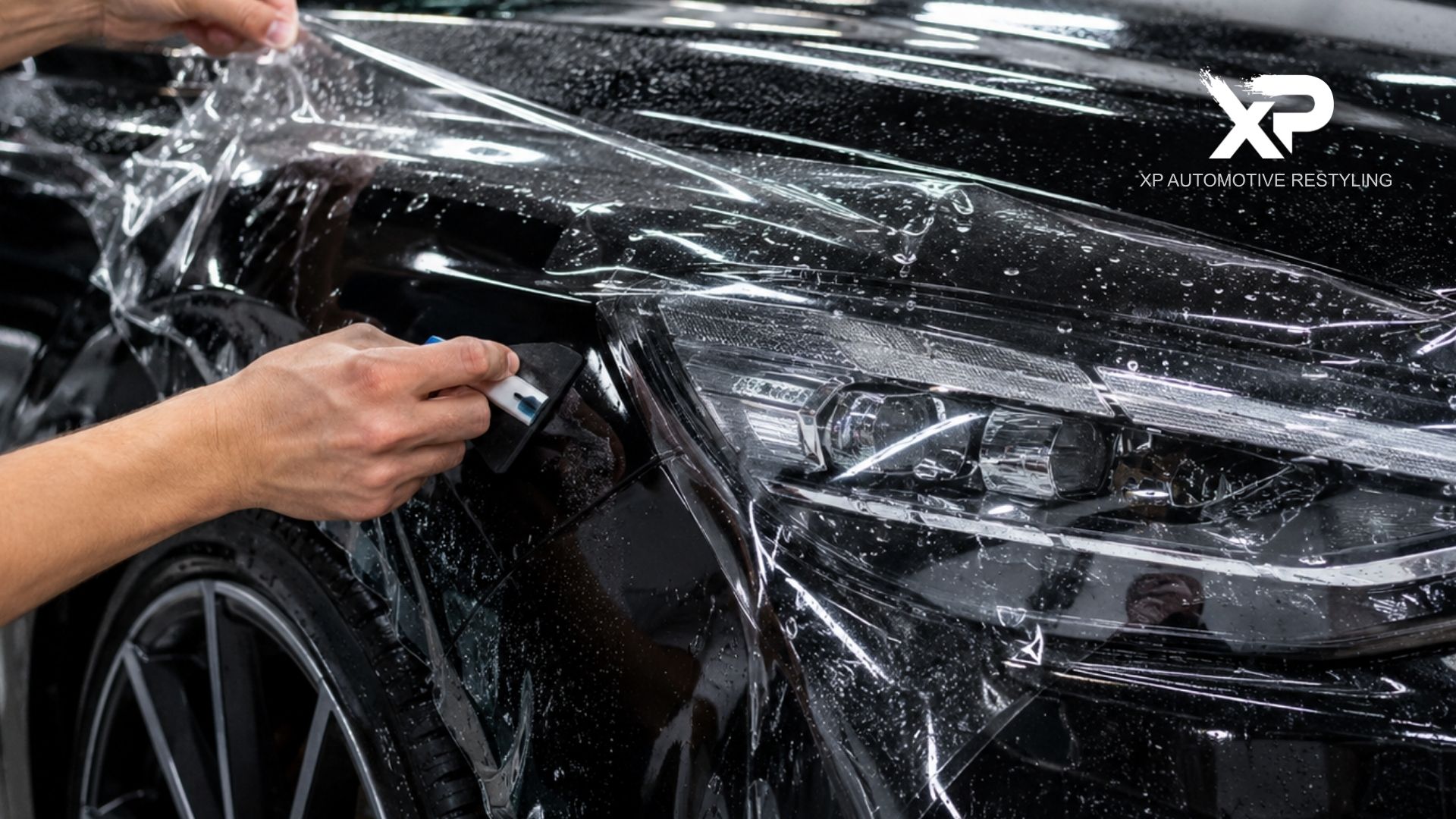
This is one of the reasons paint protection film has become such a practical solution for vehicle owners who want targeted protection instead of guessing where damage might occur. The goal of modern paint protection film services isn’t simply covering paint. It’s protecting the areas that are most likely to experience wear in real Pennsylvania driving conditions. When approached strategically, vehicle paint protection becomes far more effective and efficient.
Which Parts of a Car Get the Most Rock Chips and Road Damage?
The front-facing portions of a vehicle receive the majority of rock chips and road damage because they are constantly encountering debris carried by airflow and traffic movement.
Every mile driven creates thousands of small interactions between the vehicle and the road environment. Gravel, sand, tire fragments, insects, and other debris are pushed toward the front of the vehicle first. The faster the vehicle travels, the greater the impact force becomes.
The Areas Most Frequently Exposed to Road Impacts
- Front bumper
- Leading edge of the hood
- Front fenders
- Side mirrors
- Lower rocker panels
Drivers traveling regularly on Route 1, Street Road, I-95, or the Pennsylvania Turnpike tend to see these wear patterns develop faster because of increased highway exposure. Even vehicles driven carefully cannot completely avoid airborne debris generated by surrounding traffic.
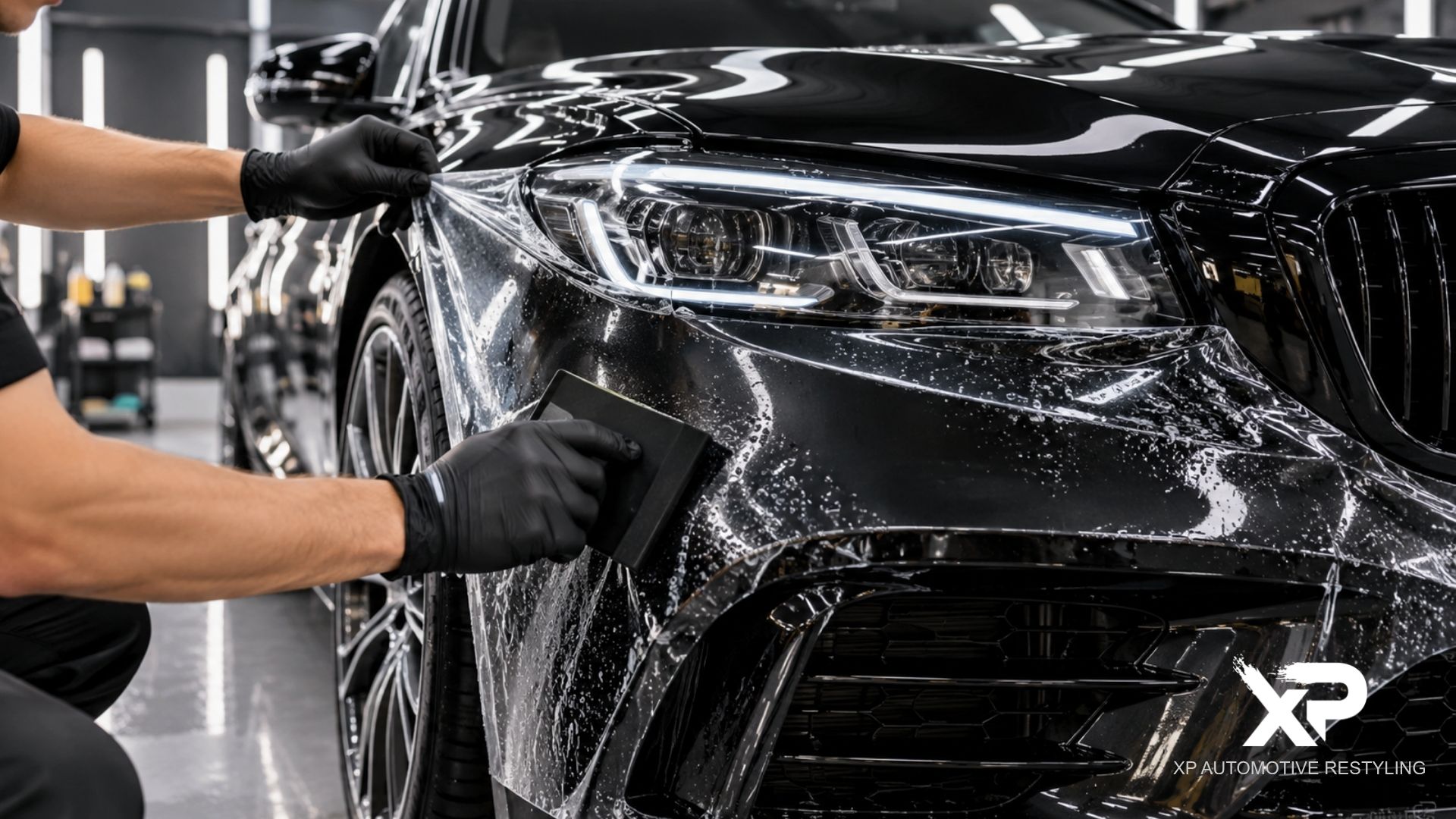
At XP Automotive Restyling, understanding these impact zones is one of the first steps in recommending paint protection film coverage. Effective rock chip protection starts with protecting the surfaces most likely to encounter damage first. That’s why front end paint protection remains one of the most requested forms of paint protection film coverage.
Why Is the Front Bumper Usually the First Panel to Show Damage?
The front bumper is usually the first painted panel to show damage because it sits at the leading edge of the vehicle and absorbs direct contact from road debris during normal driving.
Unlike many other painted surfaces, the bumper has no protection from surrounding panels. Everything coming off the road meets the bumper first. Insects, gravel, dirt, tire fragments, and road contaminants all impact this area repeatedly throughout the life of the vehicle.
Why the Bumper Faces More Risk Than Other Panels
- It sits closest to the road surface.
- It receives direct impact from airborne debris.
- It encounters bug splatter more frequently than upper panels.
- It remains exposed during every mile of highway driving.
This constant exposure explains why bumper PPF is often one of the first recommendations made during a paint protection consultation. Many drivers notice damage accumulating on the bumper long before it appears elsewhere on the vehicle.
Because the front bumper protection zone experiences so much abuse, protecting it early often helps preserve the overall appearance of the vehicle for years to come.
Do Hoods and Fenders Really Need Paint Protection Film?
Yes, hoods and fenders are among the most commonly protected areas because they experience a surprising amount of impact during highway and commuter driving.
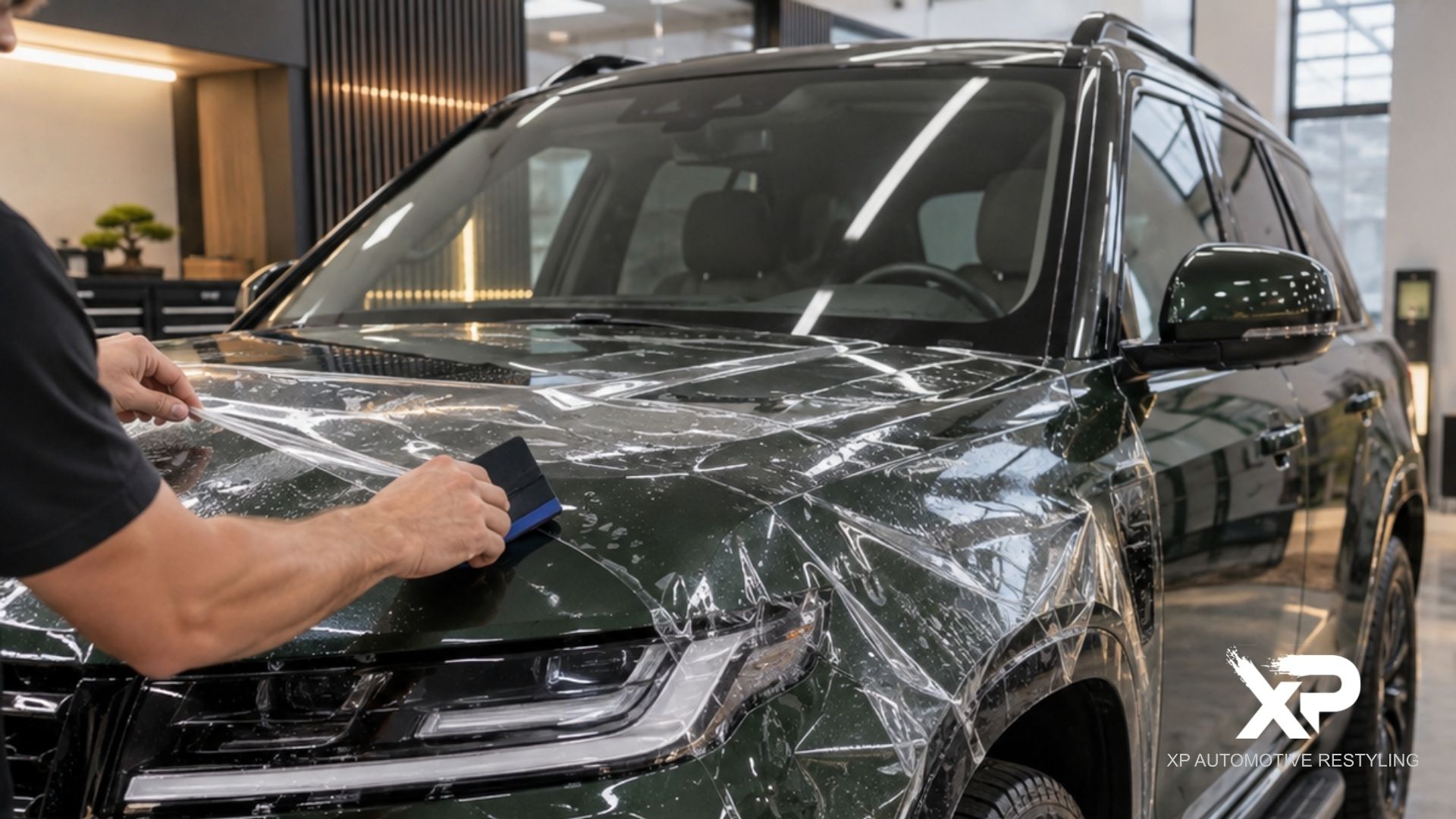
The leading edge of the hood functions almost like a catcher’s mitt for debris traveling over the front bumper. Meanwhile, the fenders sit directly beside the wheel path, where airborne particles frequently make contact before continuing along the side of the vehicle.
Why Are Side Mirrors and Rocker Panels Considered High-Impact Areas?
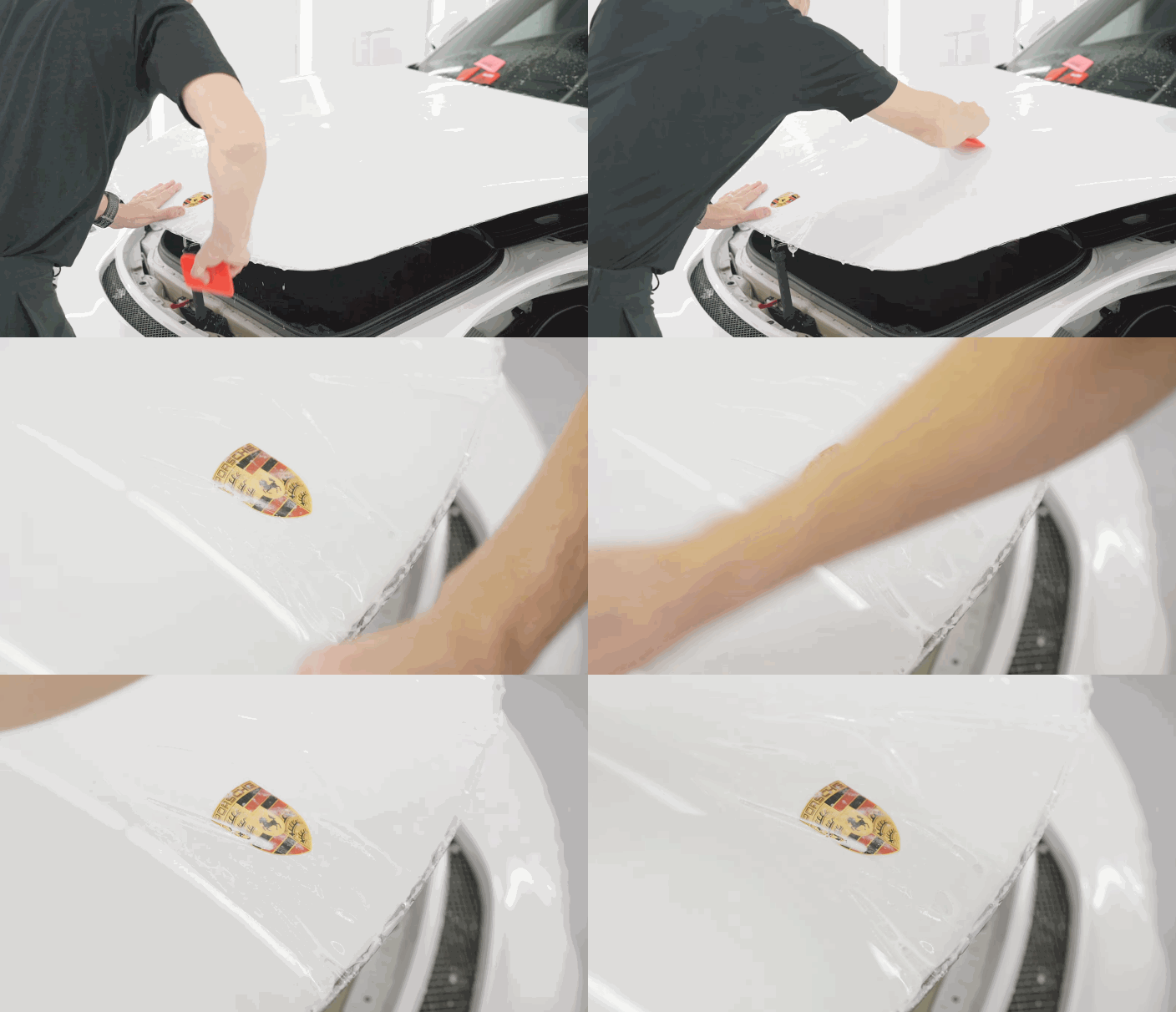
Side mirrors and rocker panels are considered high-impact areas because they regularly encounter debris thrown by both your vehicle and surrounding traffic.
These areas don’t always receive the same attention as the front bumper or hood, but they experience a unique type of exposure. Debris often travels outward from vehicle tires before striking mirrors, lower doors, and rocker panels. Because the damage develops gradually, many drivers don’t realize how much wear has accumulated until they inspect these areas closely.
Common Sources of Damage in These Areas
- Gravel thrown from passing vehicles
- Road debris kicked up by tires
- Dirt and sand accumulating along lower panels
- Repeated impacts during daily commuting
At XP Automotive Restyling, we often point out these overlooked areas during consultations because they’re easy to underestimate. A vehicle may have excellent protection on the front end while still accumulating noticeable wear along the lower body.
Mirror protection film and rocker panel protection help address those risks by extending vehicle protection film coverage beyond the areas drivers typically notice first. Over time, protecting these smaller high-impact zones can make a significant difference in preserving the overall appearance of the vehicle.
Is Full Front Coverage Enough for Most Daily Drivers?
For many daily drivers, yes, full front coverage provides enough protection to address the majority of paint damage that occurs during normal use.
The reason is simple: most impacts happen at the front of the vehicle. That’s where road debris, gravel, insects, and airborne contaminants make contact first. If a vehicle spends its time commuting around Southampton, traveling Route 1, or making regular trips through Bucks County, the front end is typically where wear accumulates fastest.
What Is Usually Included in a Full Front Package?
- Front bumper
- Full hood
- Front fenders
- Side mirrors
Together, these panels represent the areas most likely to experience rock chips and surface damage during daily driving.
Full front PPF has become a popular choice because it strikes a practical balance. It delivers meaningful daily driver protection without requiring every painted surface to be covered. For many vehicle owners, that combination of protection and investment makes it one of the most sensible PPF installation options available.
The best part is that the coverage focuses on the areas that statistically receive the most abuse, allowing drivers to address the highest-risk zones first.
When Does Full Body Paint Protection Film Make Sense?
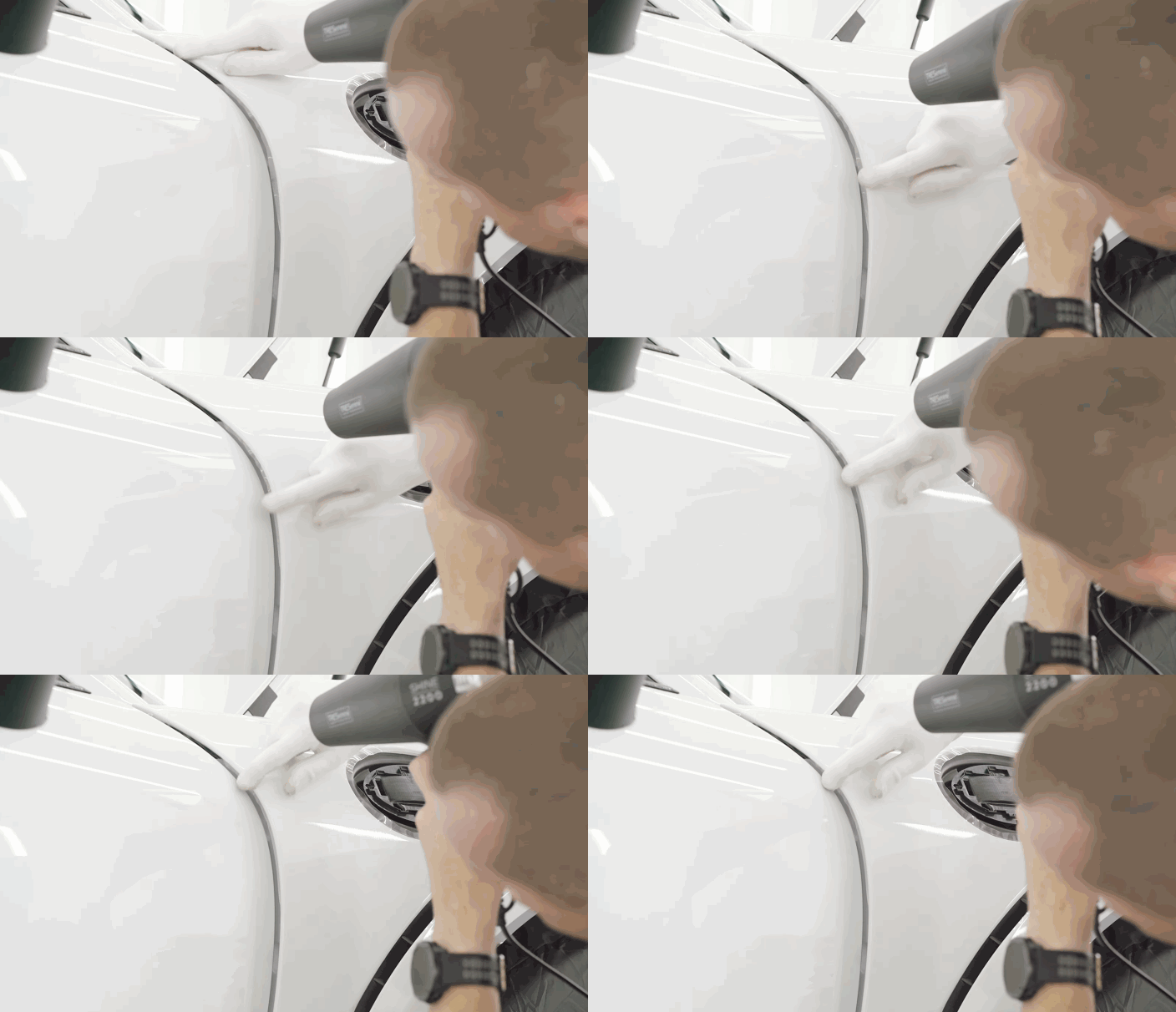
Full body paint protection film makes the most sense when preserving the entire vehicle is a long-term ownership goal.
Not every driver needs complete coverage, but there are situations where extending protection beyond the front end can provide significant advantages. Vehicles that spend a great deal of time on the road, remain outdoors regularly, or are expected to stay in the owner’s garage for many years often benefit from broader protection.
Situations Where Expanded Coverage May Be Worth Considering
Long-Term Ownership
The longer a vehicle is kept, the more opportunities there are for small cosmetic imperfections to accumulate.
Frequent Highway Travel
More miles generally means more exposure to debris, contaminants, and environmental wear.
Consistent Appearance Goals
Some owners prefer every painted panel to age at a similar rate rather than having only selected areas protected.
Maximum Long Term Paint Protection
Drivers who prioritize preserving factory paint throughout the entire vehicle often prefer broader coverage strategies.
Full body paint protection film isn’t necessarily about perfection. For many owners, it’s about reducing future concerns and creating a more consistent ownership experience through complete vehicle protection.
How Can You Identify the Areas of Your Vehicle That Need Protection Most?
The easiest way to identify protection priorities is to evaluate how the vehicle is actually used rather than focusing on the vehicle itself.
Two identical vehicles can have completely different protection needs depending on where they’re driven, how often they’re used, and where they’re parked. That’s why there is rarely a universal answer when it comes to paint protection planning.
Questions Worth Asking Yourself
- How many highway miles do I drive each week?
- Does my vehicle spend most of its time outdoors?
- Do I regularly drive through construction zones?
- How long do I plan to keep this vehicle?
- Which areas of the vehicle already show signs of wear?
The answers usually reveal where the greatest exposure exists.
At XP Automotive Restyling, we often find that custom PPF coverage decisions become much easier once drivers start thinking about usage patterns instead of coverage packages. A vehicle protection strategy should reflect real-world driving conditions, not simply what someone else chose for their vehicle.
That personalized approach is one of the reasons paint protection film services continue to evolve beyond standard package options. Protection needs vary, and the best results often come from tailoring coverage to those differences.
Conclusion: Protect the Areas That Take the Most Abuse
One of the biggest lessons vehicle owners learn over time is that paint damage rarely happens randomly. Certain areas absorb far more wear than others, and those high-impact zones often determine how a vehicle looks years down the road.
From front bumpers and hood edges to mirrors and rocker panels, the most exposed surfaces tend to accumulate damage first. Understanding those patterns allows drivers to make smarter protection decisions and focus on the areas that truly benefit from added protection.
Paint protection film works best when it’s applied strategically. Rather than viewing coverage as all-or-nothing, many drivers find the greatest value in targeting the surfaces most vulnerable to everyday wear. Combined with professional PPF installation and thoughtful planning, that approach can help preserve a vehicle’s appearance for years.
At XP Automotive Restyling, we help drivers throughout the Southampton area evaluate their vehicles, driving habits, and protection goals to create coverage plans that make sense. Whether you’re interested in targeted protection or more comprehensive coverage, our team is here to help.
Contact XP Automotive Restyling today to learn more about our paint protection film services near Southampton, PA. Schedule a consultation, explore your options, and let us help you protect the areas of your vehicle that face the most abuse every day.
XP Automotive Restyling - PPF, Window Tinting, Ceramic Coatings