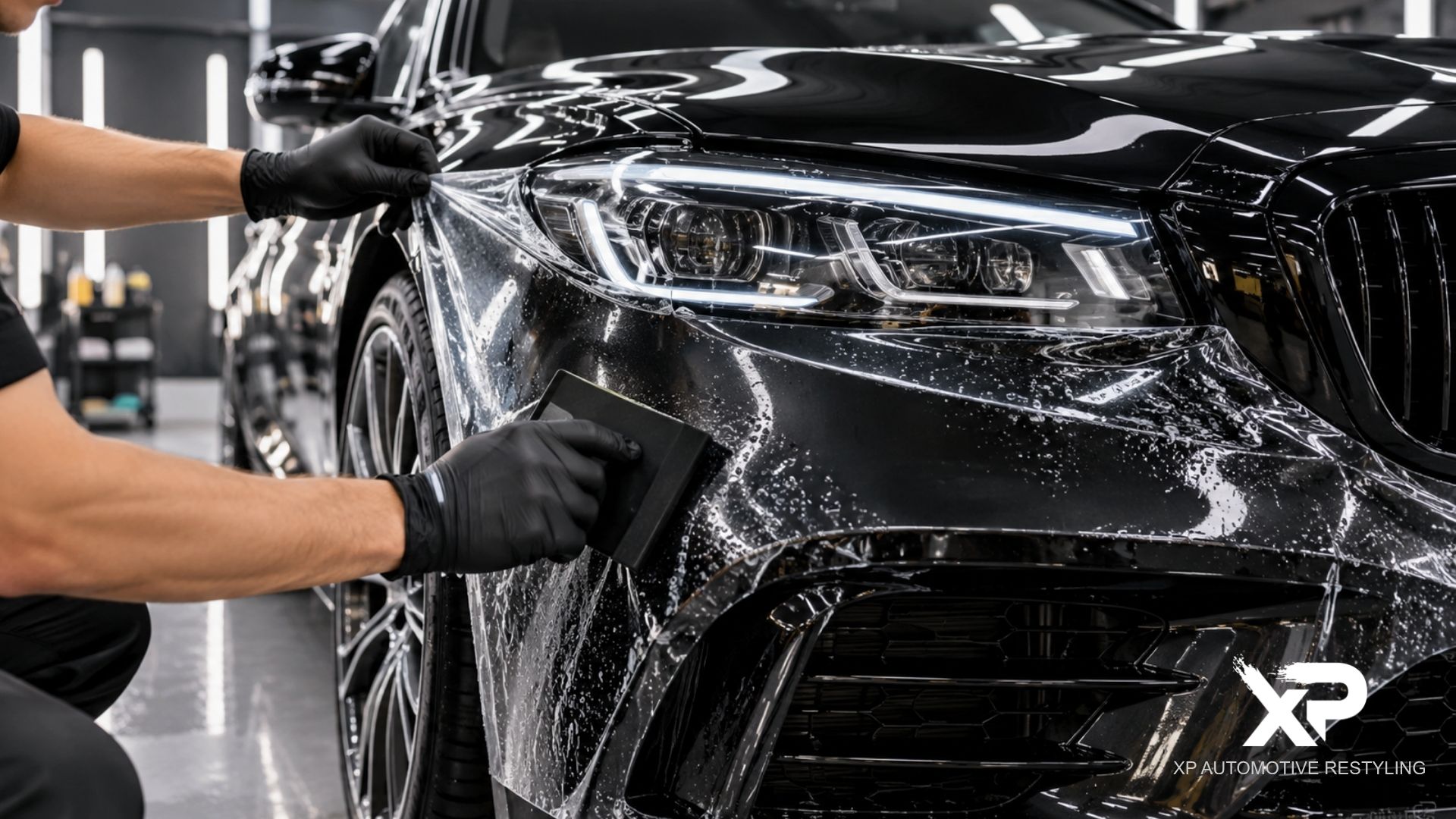
When people begin researching paint protection film, the first thing they usually ask is, “How much does it cost?” It’s a reasonable question, but it can also be misleading. Two vehicles can receive completely different recommendations despite being similar in size, simply because they face different types of exposure on the road.
That’s why coverage packages exist in the first place. Not every painted surface experiences the same level of risk. A front bumper traveling daily through Bucks County traffic deals with a very different environment than a rear quarter panel. Looking only at the total price often causes drivers to overlook the bigger conversation: where does protection actually make the most sense?
For Southampton drivers who regularly commute on Route 1, travel through construction-heavy corridors, or spend long hours parked outdoors, vehicle paint protection becomes a matter of prioritizing the areas most likely to accumulate damage. Throughout this guide, we’ll focus less on comparing dollar amounts and more on understanding what each level of PPF installation is designed to accomplish.
The Parts of Your Vehicle That Take the Most Abuse
Not all paint ages at the same rate.
Walk around a vehicle that’s been driven regularly for several years, and you’ll usually notice a pattern. The front end tells a different story than the rest of the body. That’s because airflow, road debris, and impact angles all concentrate wear in specific areas.
The Most Common High-Impact Zones
- Front bumpers that absorb direct impacts from gravel and road debris
- Leading edges of hoods exposed to constant rock chips
- Side mirrors that sit directly in the path of debris thrown by surrounding traffic
- Lower rocker panels that collect dirt, sand, and road contamination
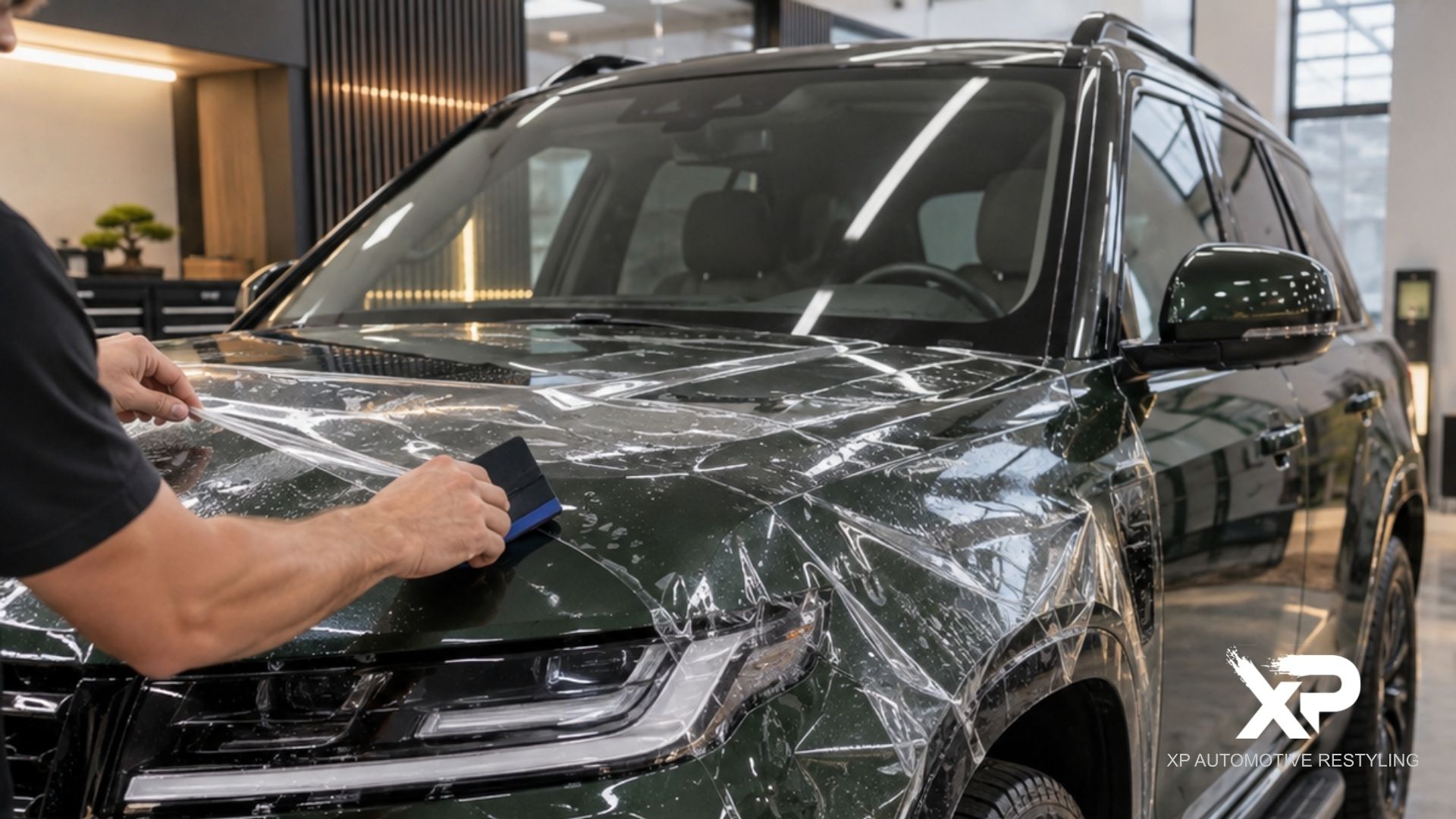
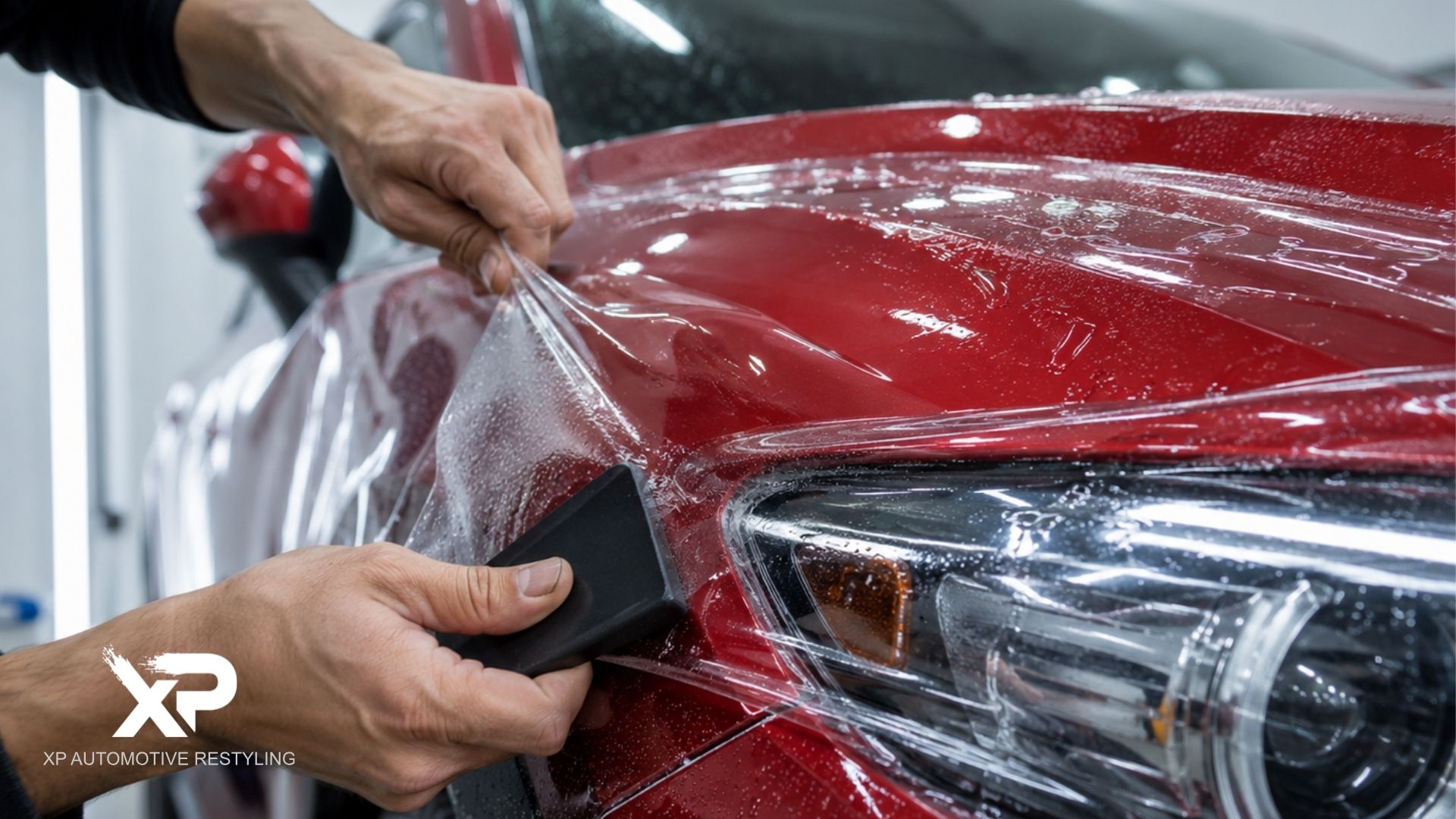
At XP Automotive Restyling, identifying these high-impact areas is often the first step in recommending paint protection film coverage. Instead of viewing every panel equally, we focus on where front end protection and rock chip protection will provide the most meaningful benefit over time.
Understanding these wear patterns helps explain why coverage packages are structured the way they are. They’re based on risk, not simply on surface area.
The Smallest Investment: Hood, Bumper, and Mirror Protection
For some drivers, protecting the entire vehicle isn’t the goal. They simply want to address the areas that tend to show damage first.
This is where targeted coverage becomes appealing.
What Individual Coverage Areas Typically Protect
The hood is often chosen because it’s one of the first places rock chips become noticeable during highway driving.
The front bumper receives constant impact from debris, insects, and road contaminants, making bumper PPF one of the most practical forms of protection available.
Mirror protection film focuses on one of the most exposed parts of the vehicle. Side mirrors regularly encounter debris from passing traffic and often show wear surprisingly quickly.
These options aren’t necessarily about finding the cheapest route. They’re about matching protection to the areas most likely to benefit from it. For many daily drivers, hood protection film and targeted front-end coverage provide a meaningful improvement without committing to a larger package.
Why Full Front Coverage Has Become the Most Popular Choice
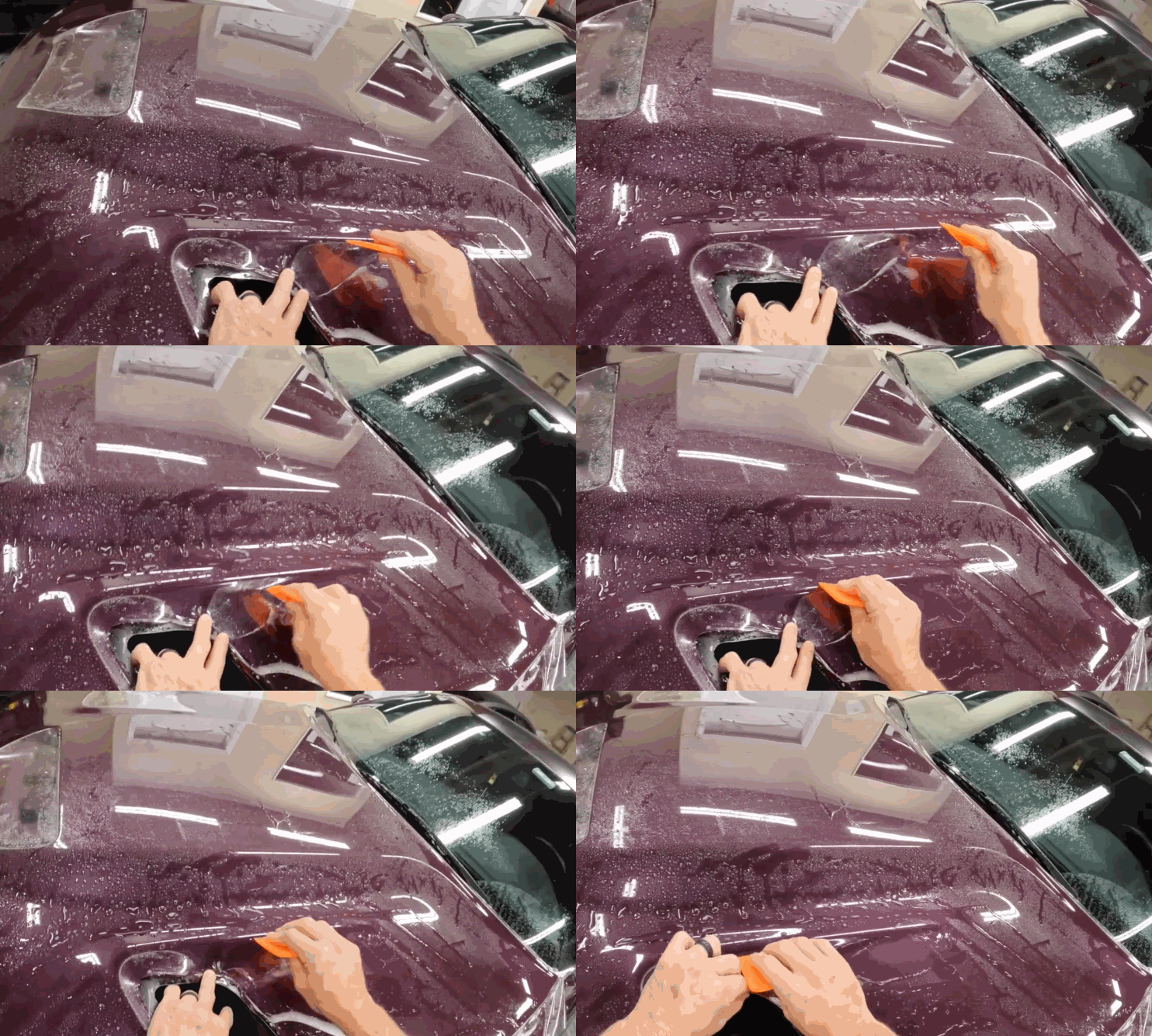
There’s a reason full front PPF has become the package many drivers eventually gravitate toward. It tends to sit right in the middle between limited protection and complete coverage.
What Is Usually Included?
A typical full front package often combines:
- Full hood coverage
- Full front bumper protection
- Front fenders
- Side mirrors
Together, these panels represent the portion of the vehicle most likely to encounter road debris during normal driving.
For Southampton drivers regularly commuting on highways or spending time on the Pennsylvania Turnpike, this approach often creates a practical balance between protection and budget. Instead of focusing on every painted panel, the package concentrates on the areas where damage is most likely to occur.
At XP Automotive Restyling, we frequently see drivers choose full front coverage because it addresses the majority of visible wear while keeping the project manageable. It’s one of the reasons front end paint protection continues to be one of the most requested forms of professional PPF installation.
What Full Body Paint Protection Film Actually Changes
When people hear “full body paint protection film,” they sometimes assume it’s mainly about preserving a showroom appearance. In reality, the biggest difference often shows up in ownership experience.
A fully protected vehicle tends to require less worry.
Door edges, quarter panels, rear bumpers, rocker panels, and other painted surfaces all receive the same level of attention as the front end. Instead of protecting only against the most common impacts, the goal becomes complete vehicle protection.
Beyond Protection, There’s Consistency
- Every painted panel ages at a more consistent rate
- Washing and maintenance become easier over time
- Small scratches and surface wear become less concerning
- The vehicle maintains a more uniform appearance across all panels
The appeal of premium PPF installation isn’t necessarily that the vehicle becomes immune to damage. It’s that ownership often feels simpler because protection extends beyond the highest-risk areas.
For drivers planning to keep their vehicles for many years, full body paint protection film becomes less about individual panels and more about preserving the vehicle as a whole.
Thinking About Cost the Wrong Way
One of the most common conversations we have with drivers starts with a simple question: “What’s the cheapest package?”
The interesting thing is that the answer often has very little to do with whether the package will be the best fit.
When evaluating paint protection film cost, many people compare coverage packages as if they were interchangeable products. In reality, they’re solving different problems. A driver who spends most of the year on highways faces different risks than someone who primarily drives locally and parks in a garage.
The comparison that often gets overlooked is not package versus package, but protection versus future repairs.
Paint correction, chip repair, touch-up work, and repainting damaged panels can become surprisingly expensive over the life of a vehicle. That’s why many owners eventually start looking at PPF value differently. The conversation shifts from “How much does this cost today?” to “How much damage could this prevent over the next several years?”
The most effective approach is usually to match coverage to exposure rather than simply selecting the lowest-priced option. Long term paint protection tends to make much more sense when viewed through the lens of ownership rather than purchase price.
Matching Coverage to How You Actually Drive
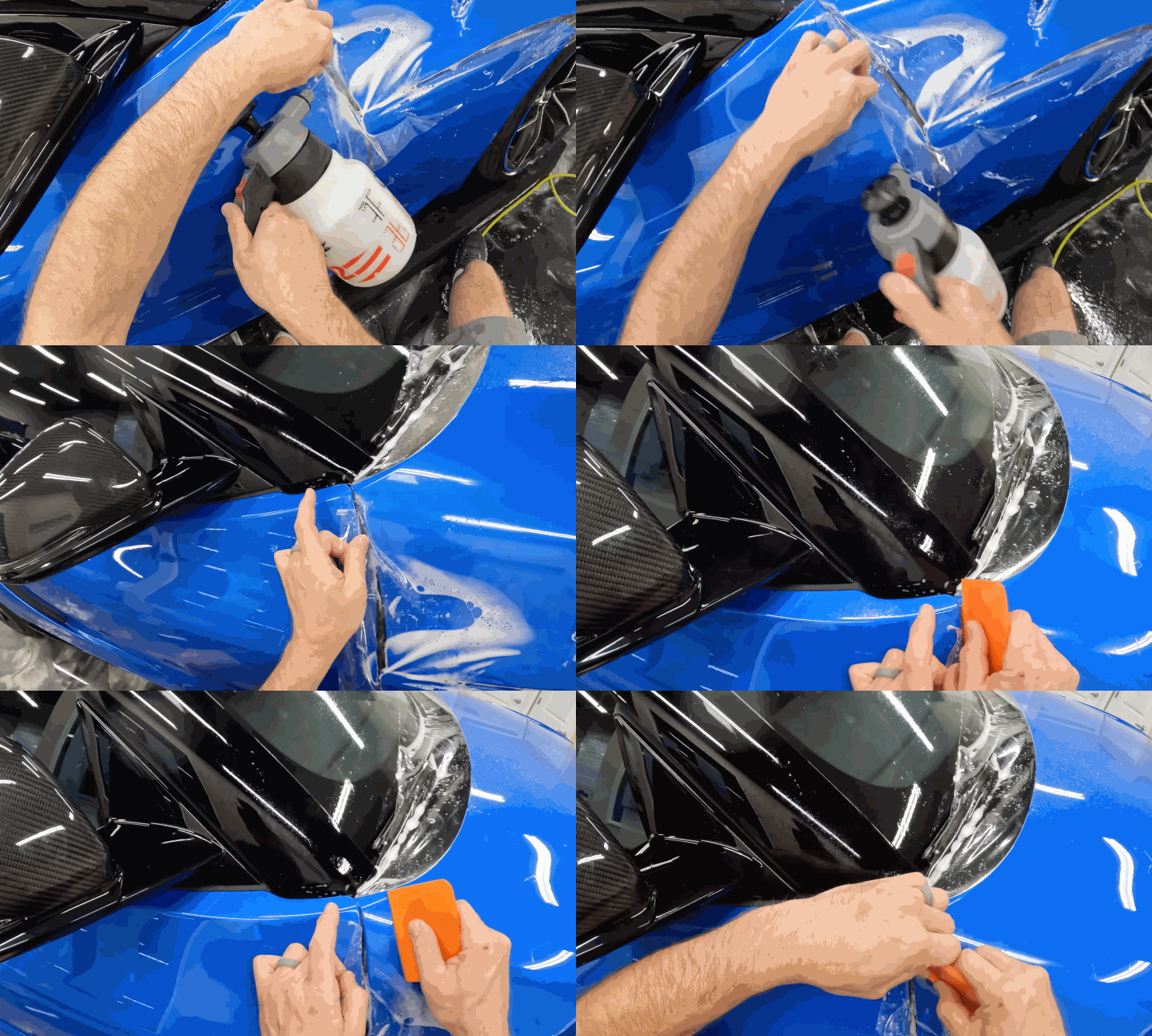
Instead of starting with coverage packages, let’s start with the driver.
Two identical vehicles parked side by side may need completely different protection plans depending on how they’re used. That’s why we typically build recommendations around driving habits first and products second.
Which Description Sounds Most Like You?
- You drive thousands of highway miles every year and spend a lot of time commuting.
- Your vehicle is parked outdoors most days at work or home.
- You plan to keep the vehicle for many years.
- You drive occasionally and most trips are local.
- The vehicle is leased or expected to be replaced within a shorter timeframe.
The answers create a much clearer picture of what type of vehicle protection plan makes sense.
At XP Automotive Restyling, we’ve found that annual mileage, parking habits, highway exposure, and ownership timeline usually tell us more than the vehicle itself. A family SUV driven daily through Bucks County may benefit from more protection than a luxury vehicle that rarely leaves the garage.
That’s why custom PPF coverage and daily driver paint protection strategies tend to work better than one-size-fits-all recommendations. The goal isn’t choosing the biggest package. It’s choosing the package that fits your life.
Assumptions About PPF Coverage Packages
There’s an assumption we hear fairly often: if some protection is good, then more protection must always be better.
The reality is a little more nuanced.
A full-body package can absolutely make sense for some owners, but that doesn’t automatically mean it’s the right solution for everyone. The best coverage plan is usually the one that aligns with how the vehicle is actually used.
A Few Things Drivers Are Often Surprised to Learn
- Partial PPF coverage can provide meaningful protection in the areas that experience the most damage.
- The most expensive package isn’t always the most practical choice.
- Different vehicles can require completely different recommendations, even if they have similar values.
- A personalized approach often delivers better results than selecting a package based on popularity alone.
That’s why PPF package comparison should focus less on which option is “best” and more on which option is most appropriate.
Among the many paint protection film options available today, there isn’t a universal answer that fits every driver. Someone who spends hours each week on Route 1 may have different priorities than someone who only drives on weekends.
When viewed that way, partial PPF coverage stops feeling like a compromise and starts feeling like a strategic decision.
Conclusion: Choosing the Coverage That Makes Sense for Your Vehicle
Paint protection film works best when it’s tailored to the way a vehicle is actually driven. The right coverage package isn’t necessarily the largest one or the most expensive one. It’s the one that protects the areas most exposed to wear while aligning with your ownership goals.
Throughout this guide, we’ve looked at how different coverage areas serve different purposes. From targeted protection on hoods and bumpers to full-body coverage, every package is designed around a different level of exposure and protection.
That’s why thoughtful planning matters just as much as professional PPF installation. When coverage is selected intentionally, the result is often better long-term value and a more satisfying ownership experience.
At XP Automotive Restyling, we help Southampton drivers evaluate their options based on real-world driving habits, vehicle usage, and long-term goals. Whether you’re considering a partial package or complete coverage, we’re happy to help you understand which solution makes the most sense for your situation.
Contact XP Automotive Restyling today to schedule a consultation and discuss paint protection film options for your vehicle. Our team can help you compare coverage levels, answer your questions, and create a protection plan that fits the way you drive in Southampton, PA.
XP Automotive Restyling - PPF, Window Tinting, Ceramic Coatings