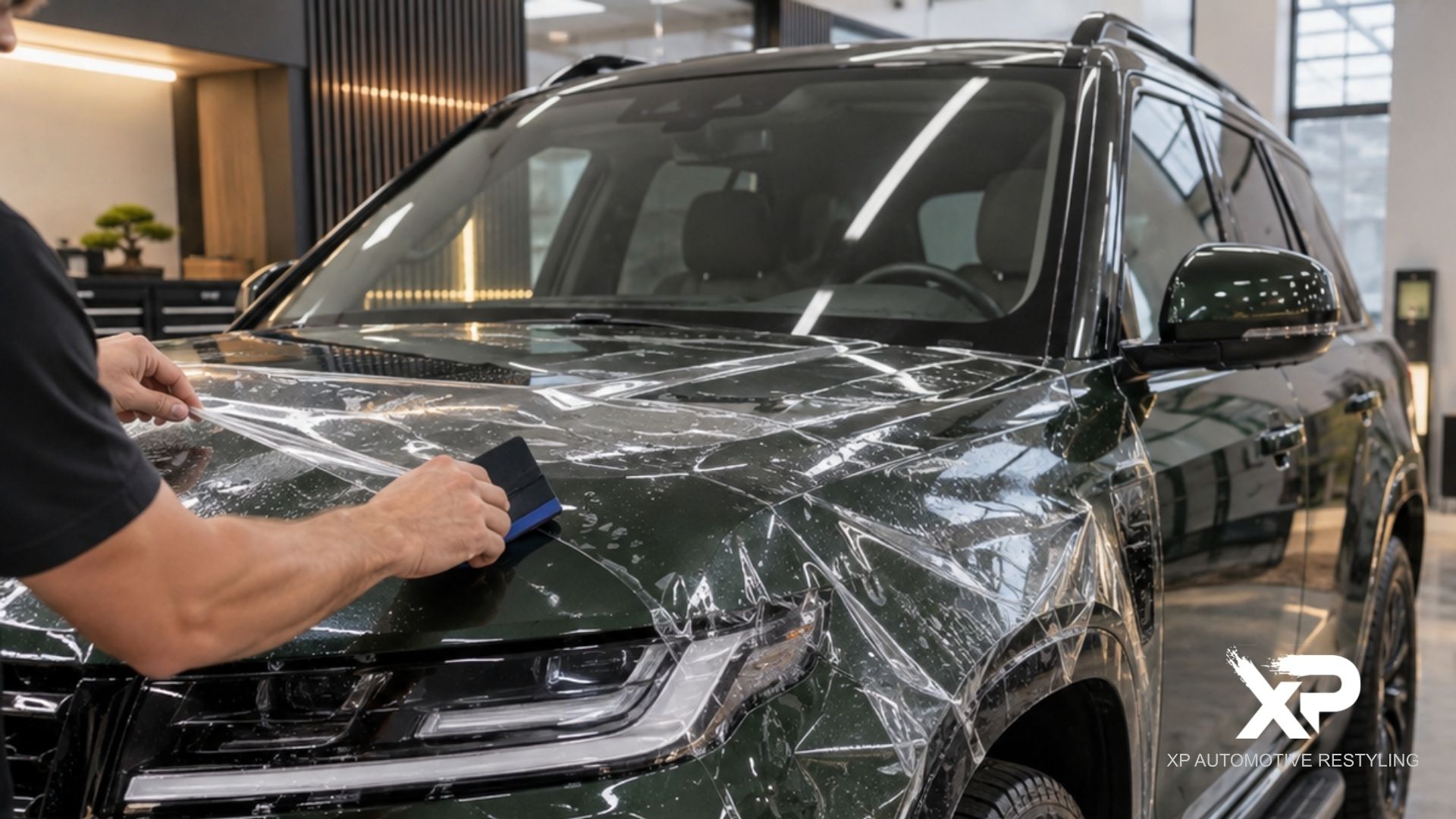
If you’re investing in Paint Protection Film for your vehicle, one of the first questions you’ll likely ask is about PPF Durability. How long will it actually last in Southampton, PA? Will winter road salt ruin it? Does summer heat cause peeling?
At XP Automotive Restyling, we install premium paint protection film every day, and we’ve seen firsthand how Pennsylvania’s climate affects vehicles. Based on our experience working with local drivers, high-quality PPF that’s professionally installed and properly maintained typically lasts 7-10 years in Southampton’s weather, and sometimes even longer.
In this guide, we’ll break down what truly affects Paint Protection Film lifespan, how Southampton’s seasonal conditions impact performance, and what you can do to maximize your investment.
Understanding PPF Durability: What It Really Means
When we talk about PPF Durability, we’re referring to how well the film resists long-term wear from:
- Stone chips and road debris
- UV exposure and paint fading
- Environmental contaminants
- Oxidation prevention
- Moisture and humidity effects
- Yellowing, peeling, or edge lifting
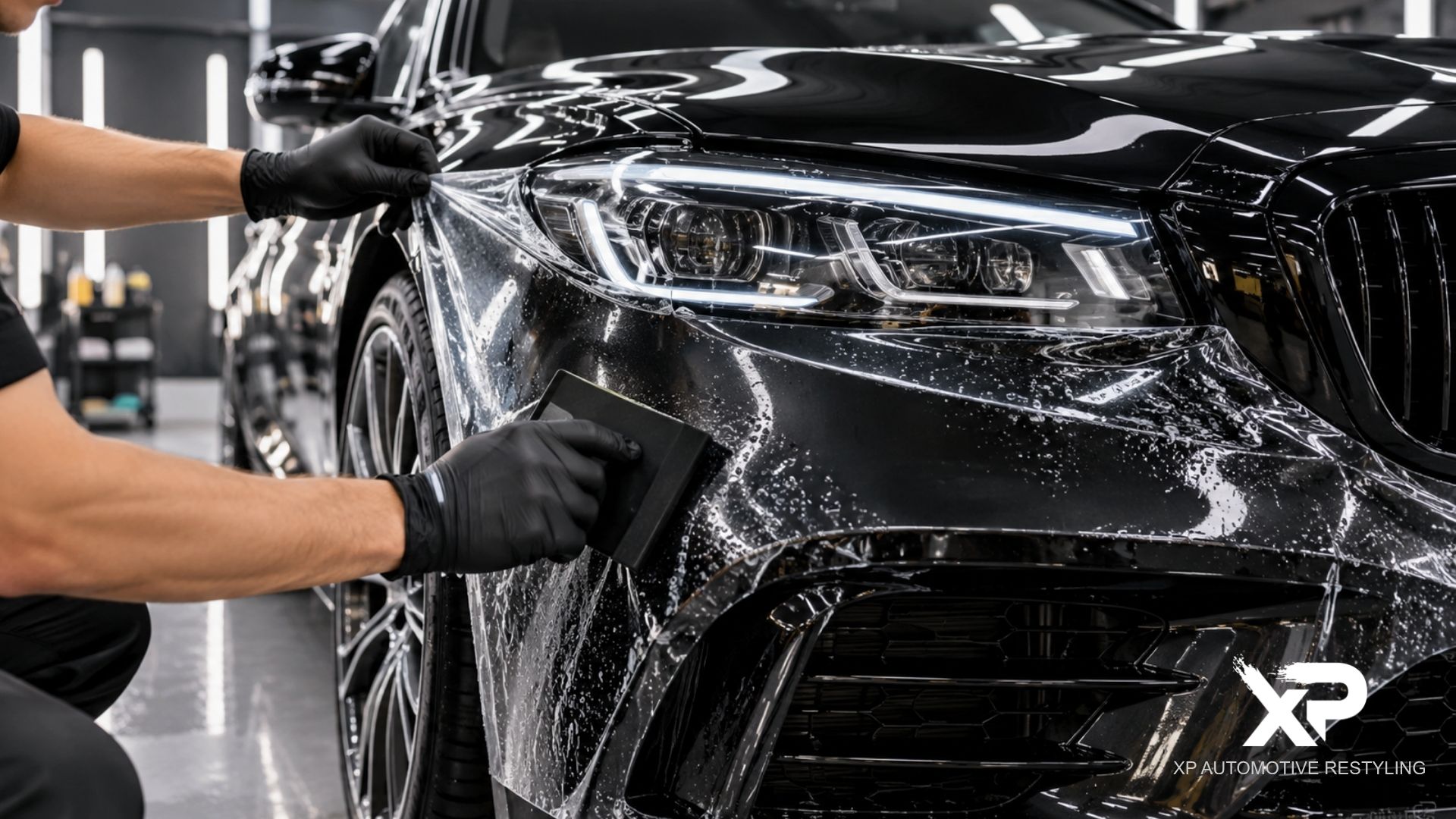
Modern paint protection film, often called a clear bra, is made from advanced thermoplastic polyurethane engineered to withstand harsh environments.
Premium films typically include:
- Self-healing film technology that eliminates light scratches with heat
- A hydrophobic top coat to repel water and grime
- UV inhibitors to reduce discoloration
- Film thickness between 8–10 mil (200+ microns) for enhanced impact resistance
Lower-grade films may begin degrading within 3-5 years. However, professional-grade systems like the ones we install are built for long-term performance in Northeast climates.
If you’re new to this technology, read our complete Paint Protection Film Guide for Car Owners
How Southampton Weather Affects Paint Protection Film Lifespan
Southampton, PA may not sit directly on the coast, but our weather can be tough on vehicle finishes. Each season influences PPF Durability differently.
Winter: Road Salt, Sand & Freezing Temperatures
Winter is the most aggressive season for vehicle protection.
- Road salt and sand create surface abrasion.
- Salt accelerates corrosion and stresses the film’s protective layer.
- Freezing temperatures can temporarily stiffen materials.
While PPF provides excellent stone chip protection, neglecting winter maintenance can shorten its lifespan.
Want to know how well it holds up against debris? Does Paint Protection Film Protect Against Rock Chips?
We recommend washing your vehicle every two weeks during snowy months to remove salt buildup and protect the hydrophobic top coat.
Summer: UV Exposure & Humidity
Pennsylvania summers bring:
- Intense UV exposure
- Heat expansion
- High humidity levels
Over time, UV rays break down unprotected paint. Premium PPF contains UV inhibitors to combat oxidation and preserve long-term clarity, improving overall clear bra durability.
Seasonal Temperature Swings
Spring and fall bring rapid temperature changes. These expansion and contraction cycles can stress adhesives.
Improperly installed film may develop:
- Edge lifting
- Bubbling
- Adhesive separation
This is why professional installation plays such a major role in long-term PPF Durability.
Why Professional Installation Greatly Influences PPF Durability
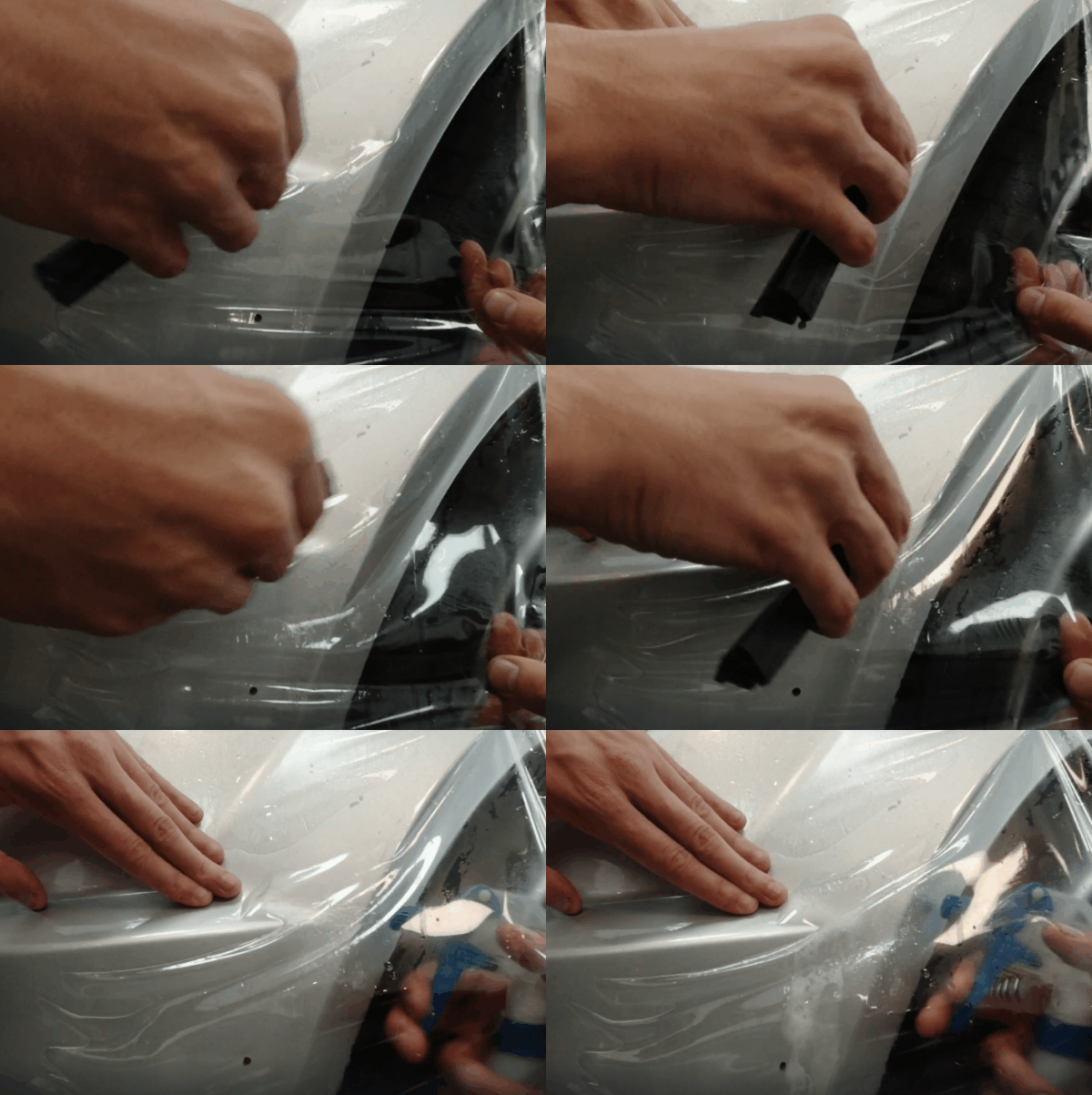
One of the most overlooked factors affecting PPF Durability is installation quality.
At XP Automotive Restyling, we approach every vehicle with precision and care:
- Complete decontamination wash
- Paint correction when necessary
- Climate-controlled installation environment
- Precision edge wrapping
Many premature failures occur not because of poor film quality, but because of improper preparation or curing conditions.
Learn more about our craftsmanship here: XP Automotive Restyling – Paint Protection Film Services
Professional installation ensures your film reaches its full Paint Protection Film lifespan potential.
Maintenance Tips to Extend PPF Durability
Routine care plays a critical role in preserving PPF Durability.
1. Wash Frequently in Winter
Remove salt buildup every two weeks to prevent surface degradation.
2. Use pH-Neutral Soap
Harsh detergents can compromise the film’s hydrophobic top coat.
3. Avoid High-Pressure Spray on Edges
High-pressure washers aimed at seams can cause lifting.
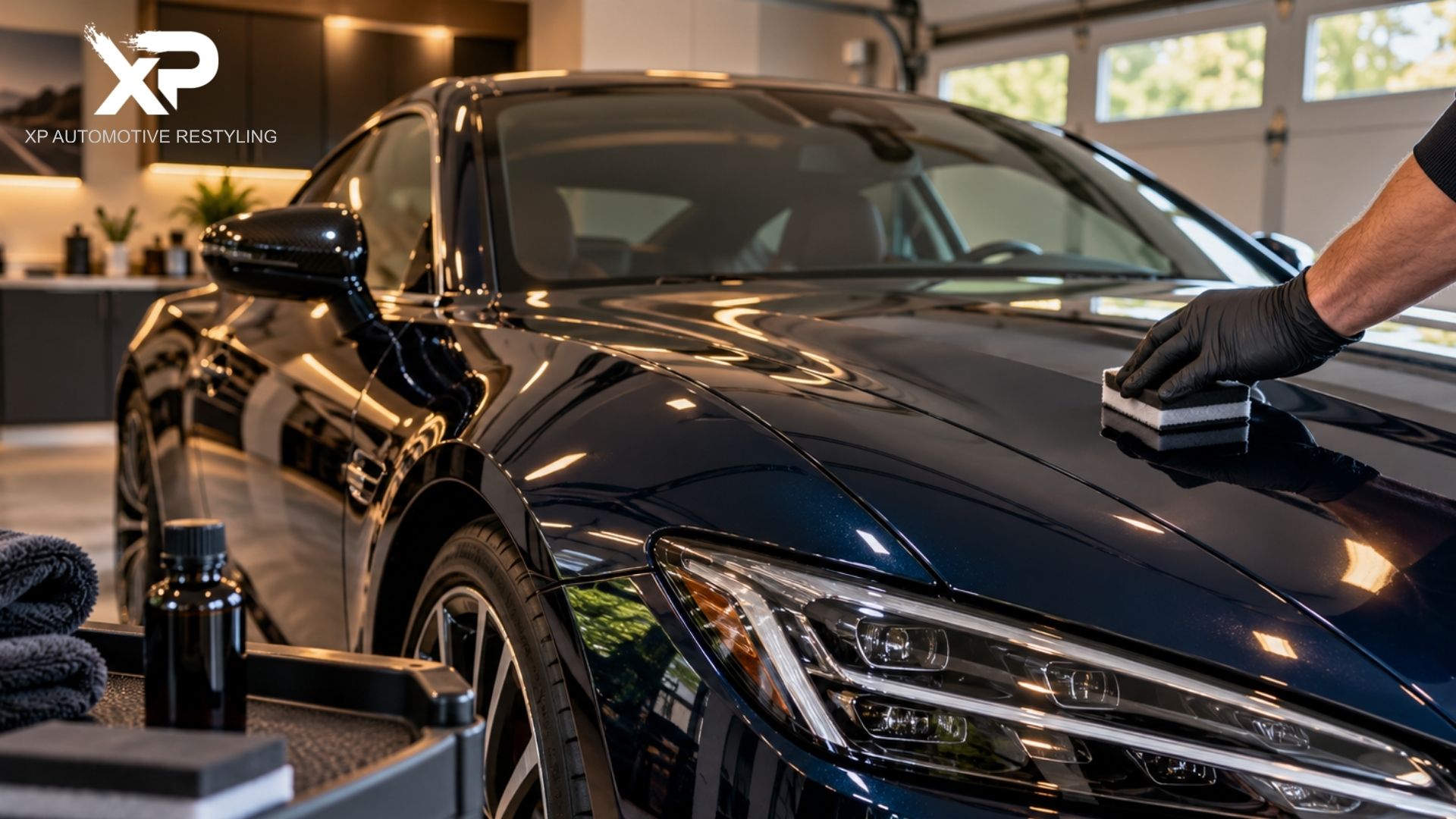
4. Apply a Ceramic Coating Over PPF
Many customers ask about ceramic coating vs PPF durability.
- PPF: Physical impact protection
- Ceramic coating: Surface slickness and chemical resistance
Applying ceramic coating over PPF enhances water beading and simplifies maintenance, but it doesn’t replace impact resistance.
5. Schedule Periodic Inspections
Around the 5-year mark, inspect for:
- Yellowing
- Edge lifting
- Loss of gloss
If you’d like a professional evaluation, schedule one here: Contact XP Automotive Restyling for a Free Quote
Signs Your Paint Protection Film Is Nearing the End
Even high-end film eventually ages. Watch for:
- Persistent yellowing
- Edge lifting
- Bubbling
- Reduced stone chip protection
- Loss of clarity
If you notice these signs, it may be time for replacement.
You can also explore all our services here: XP Automotive Restyling – Southampton, PA
Final Thoughts: Maximizing PPF Durability in Southampton, PA
With proper installation and care, PPF Durability in Southampton’s climate is excellent. Even with harsh winters and humid summers, premium Paint Protection Film can protect your vehicle for up to a decade.
At XP Automotive Restyling, we install every film with precision to ensure long-lasting performance.
Ready to protect your vehicle? Visit Our Homepage or Schedule Your Free PPF Consultation.
XP Automotive Restyling - PPF, Window Tinting, Ceramic Coatings