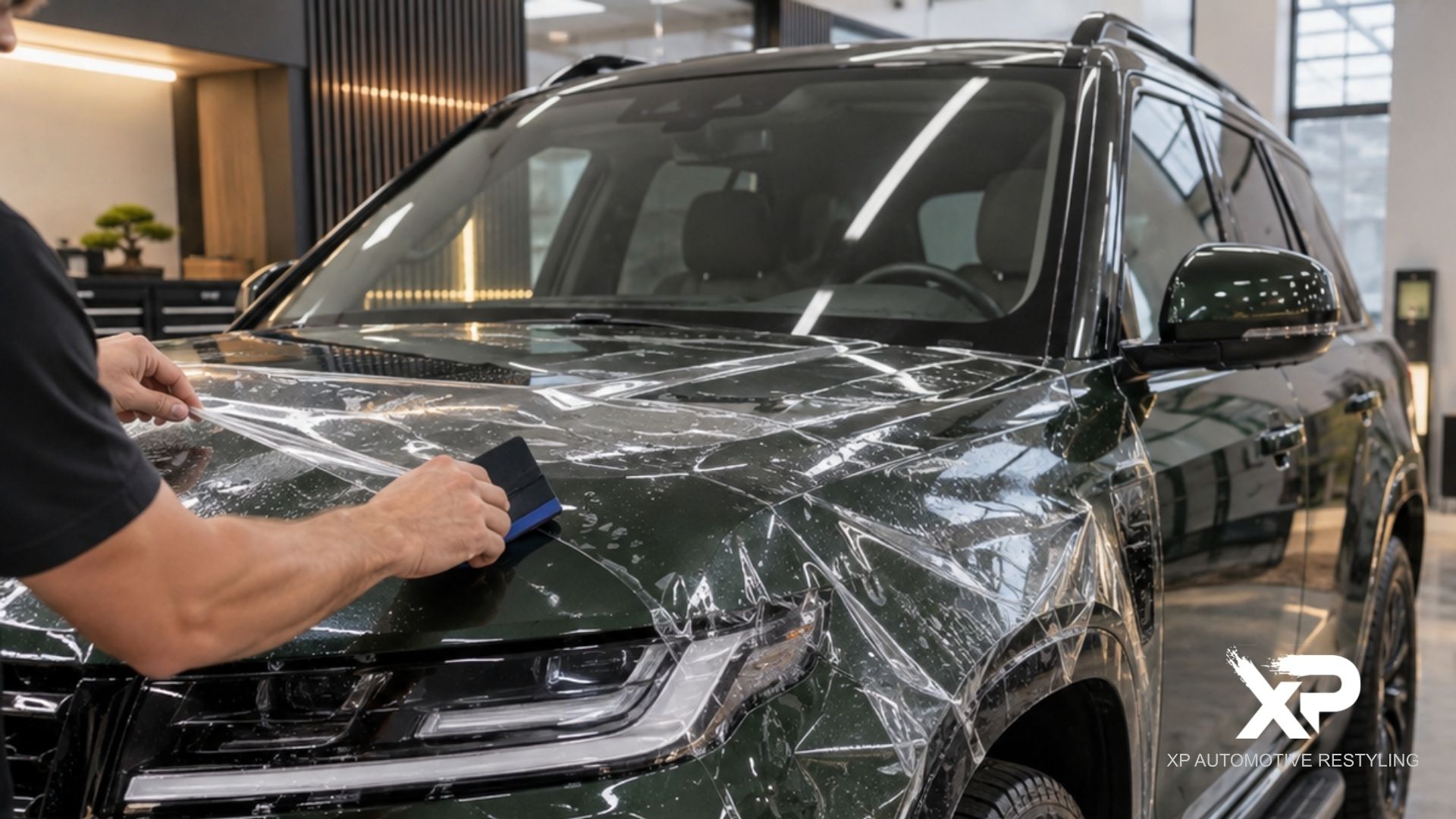
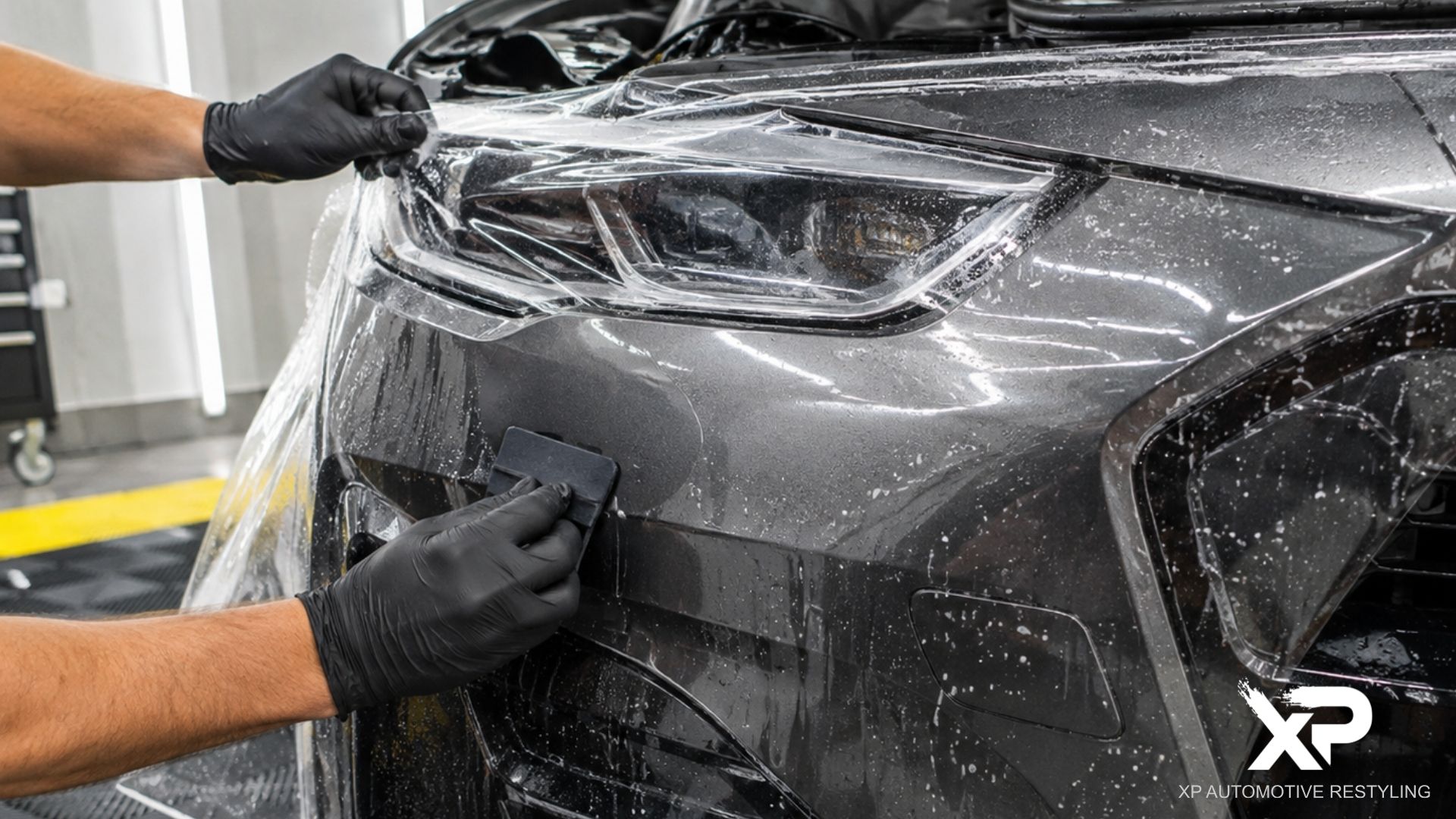
Paint protection film originated from protective materials developed for demanding military applications, where vulnerable surfaces needed protection from debris and environmental exposure. Over time, the technology evolved into automotive PPF with improved optical clarity, advanced adhesives, and self-healing surfaces, making professional PPF installation an important part of modern vehicle protection.
How Did Paint Protection Film Become a Vehicle Protection Product?
Paint Protection Film evolved from durable urethane materials developed for demanding protective applications into a specialized automotive film designed to preserve painted surfaces. What began as a practical barrier against physical wear eventually became a nearly invisible layer that can protect a vehicle without changing its original appearance.
That evolution is what makes PPF particularly interesting. Its fundamental job has remained surprisingly consistent: place a sacrificial layer between a valuable surface and whatever the outside world throws at it. What has changed dramatically is how refined that layer has become.
Early protective films prioritized toughness. Today’s automotive PPF also needs to look good on complex body panels, maintain clarity, resist environmental exposure, and complement modern automotive finishes. Advances in materials and installation methods have made it possible to protect anything from a front bumper to an entire vehicle while allowing the factory paint to remain visible underneath.
For vehicle owners, that history matters because modern paint protection film is the result of decades of refinement. Today’s vehicle paint protection combines the original concept of physical protection with technology specifically developed around the appearance and demands of contemporary vehicles.
Where Did Paint Protection Film Originally Come From?
The history of Paint Protection Film is commonly traced to protective urethane films developed for U.S. military aviation applications during the Vietnam War era. These materials were used to help protect vulnerable aircraft surfaces from debris and wear in demanding operating environments.
Helicopters were especially exposed to harsh conditions. Certain components faced repeated contact with airborne particles and debris, creating a need for a protective material that could absorb wear without requiring a heavy or cumbersome solution.
A few characteristics made this type of protective urethane film particularly useful:
- It could create a physical barrier over vulnerable surfaces.
- The material offered flexibility instead of relying on rigid protection.
- Damaged or worn protection could be replaced while preserving the underlying surface.
- Its transparent nature allowed protection without completely obscuring what was underneath.
Those qualities helped establish the basic concept that would eventually become familiar to automotive owners. Rather than continually repairing an exposed surface, a replaceable protective layer could absorb much of the punishment first.
The PPF origins may seem far removed from today’s cars, but the principle has remained remarkably similar. Automotive technology simply took that protective concept and refined it for an environment where appearance, clarity, precise fitment, and long-term finish quality matter just as much as durability.
How Did PPF Make the Transition From Aviation to Cars?
Protective film technology gradually moved into automotive applications as motorsport participants and vehicle owners looked for less intrusive ways to protect painted surfaces from chips and road debris. Front-facing panels became a natural application because they experience many of the same repeated-impact problems the technology was originally intended to address.
Before automotive paint protection film became widely available, physical front-end covers were one option for reducing damage. These accessories could provide protection, but they also changed the appearance of the vehicle and covered the paint completely.
Transparent film offered a different proposition. Applied directly over the painted surface, it could provide front-end paint protection while allowing the original finish and body lines to remain visible.
This automotive use eventually produced the familiar term clear bra, referencing the traditional front-end “bra” while emphasizing the transparency of the newer material. Although PPF technology and available coverage have advanced considerably since then, the term is still used today.
At XP Automotive Restyling, that progression is something we appreciate from an installer perspective. Modern PPF can protect individual impact zones, complete front ends, rocker panels, or entire vehicles. What started as targeted functional protection has developed into a much more versatile approach to preserving automotive paint.
How Is Modern Paint Protection Film Different From Early PPF?
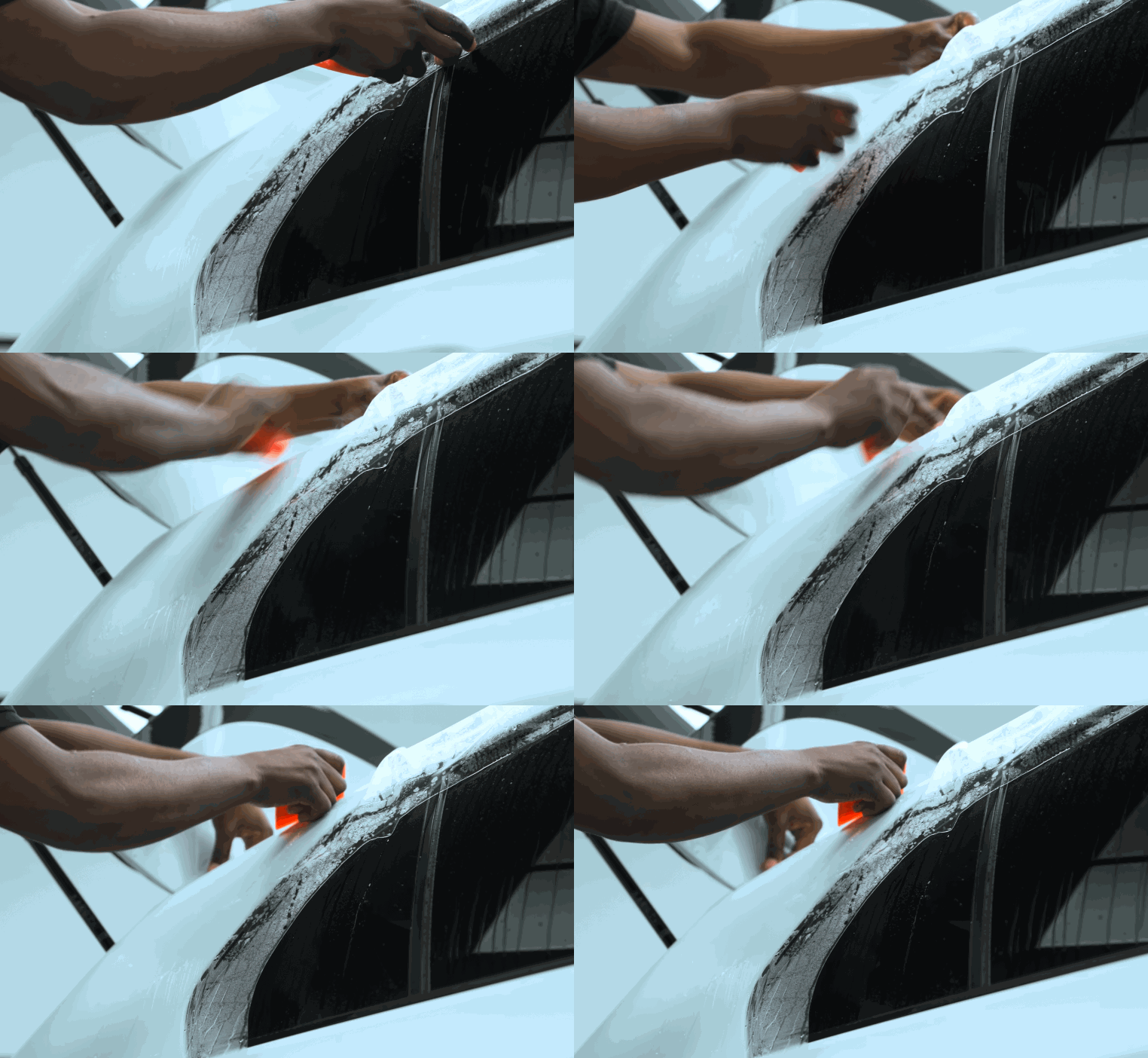
Modern Paint Protection Film offers substantially better clarity, durability, stain resistance, and surface technology than earlier generations. Today’s films are engineered not only to absorb everyday wear but also to remain visually discreet while doing it.
Earlier automotive films could become more noticeable as they aged. Discoloration, visible edges, staining, and changes in clarity contributed to some of the outdated perceptions people still have about PPF.
Modern film technology addresses many of those concerns through several improvements:
Better Optical Clarity
Today’s films are designed to remain nearly invisible over the paint, allowing the original color, metallic characteristics, and gloss to show through with minimal visual interruption.
More Advanced Surface Protection
Modern top coats provide improved resistance against staining and environmental contamination. Many premium products also incorporate self-healing PPF technology that allows light surface marks in the film to become less noticeable when exposed to heat.
Improved Adhesive Systems
Adhesive technology has evolved alongside the film itself, helping modern PPF conform to complex automotive panels while maintaining stable adhesion when properly installed.
Greater Resistance to Environmental Exposure
UV resistance and improved material stability help quality films maintain their appearance through prolonged outdoor exposure and changing weather conditions.
These developments transformed PPF technology from a relatively simple protective barrier into a sophisticated automotive surface product. Modern Paint Protection Film still performs the same fundamental job its predecessors did, but it now does so with significantly greater attention to appearance, longevity, and the everyday ownership experience.
Why Was Self-Healing Technology Such an Important PPF Development?
Self-healing technology changed PPF by allowing light surface marks in the film’s top coat to become less noticeable when exposed to heat. Instead of every minor scuff permanently affecting the appearance of the protective layer, modern films gained the ability to recover from some of the cosmetic wear that comes with normal vehicle use.
The distinction is important: self-healing technology works on the film, not on damaged automotive paint underneath it. If a scratch penetrates through the PPF and reaches the paint, heat will not repair that damage. The technology is intended for lighter marks within the film’s specialized surface layer.
Heat can come from normal sources such as warm sunlight or appropriately applied warm water. As the material responds, minor surface imperfections can gradually relax, helping the film return to a smoother appearance.
For owners, this advancement improved more than PPF durability. It changed the ownership experience by helping the protective material continue looking good while it performed its job. At XP Automotive Restyling, self-healing Paint Protection Film is one of the developments we point to when explaining how different today’s products are from older generations. Heat-activated PPF allows protection and appearance to work together rather than forcing owners to prioritize one over the other.
What Does Modern PPF Protect a Vehicle Against?
Today’s Paint Protection Film is designed to help shield automotive paint from rock chips, road debris, bug splatter, light abrasions, and environmental exposure. Despite decades of technological development, that protective function still reflects the original idea behind the material: let a replaceable barrier take the abuse instead of the valuable surface underneath.
On a modern vehicle, the threats are different from those encountered in PPF’s early aviation applications, but the underlying principle translates remarkably well. A stone thrown from another vehicle, for example, strikes the film before reaching the clear coat and paint. Bug residue and road contaminants also contact the protective surface rather than sitting directly on the factory finish.
Modern PPF can provide protection against:
- Small stones and gravel that commonly cause chips on front-facing panels.
- Road debris encountered during highway and everyday driving.
- Bug splatter that accumulates across bumpers, mirrors, and hoods.
- Light abrasions and minor surface contact.
- Environmental contaminants that would otherwise reach the paint directly.
This is why rock chip protection and road debris protection remain central reasons for installing PPF even as the technology becomes more sophisticated. The difference today is that drivers can achieve long-term paint protection without covering the appearance they are trying to preserve. High-quality film is engineered to remain visually discreet so the factory color and finish remain the focus.
How Has PPF Installation Changed Along With the Film?
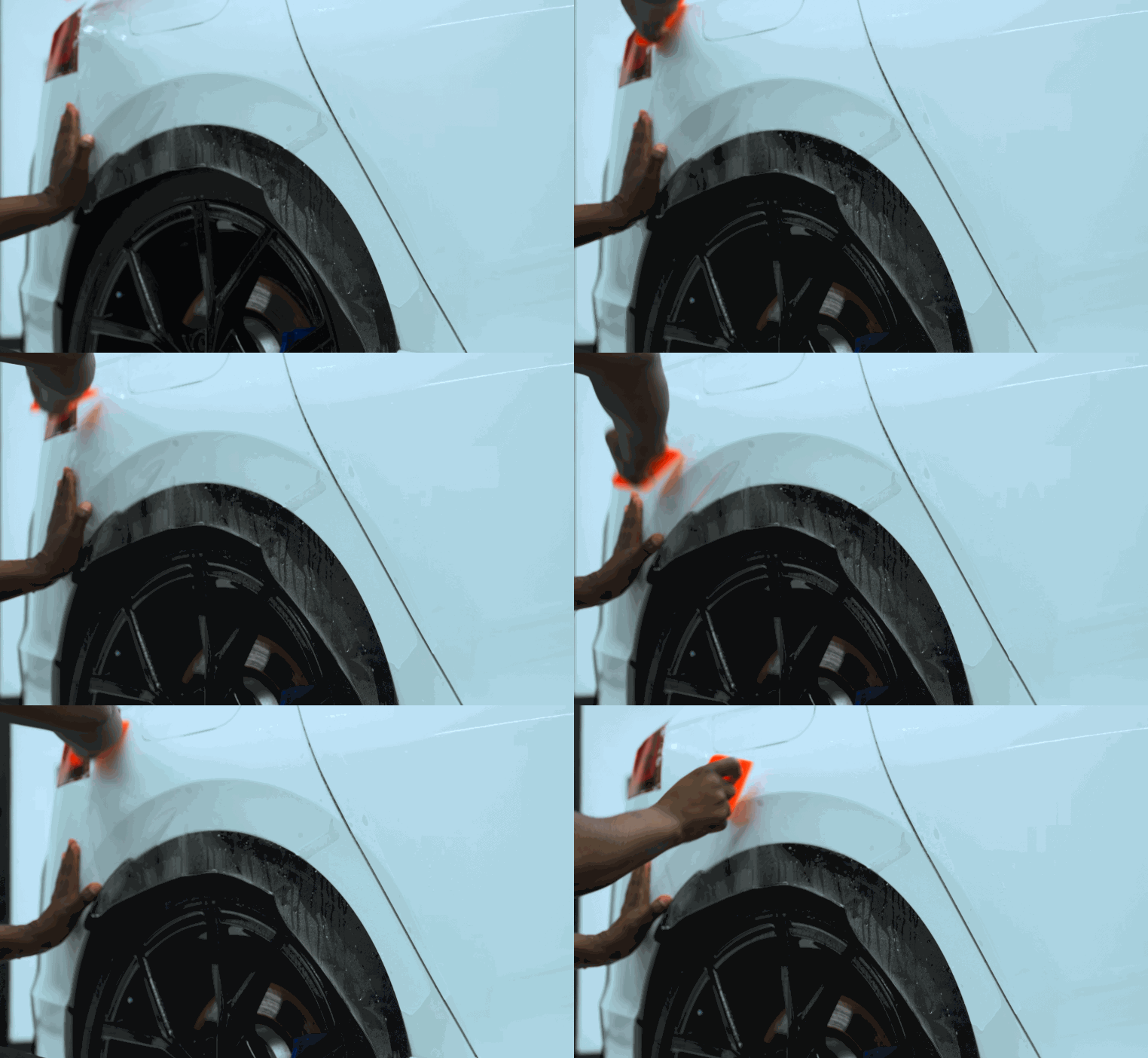
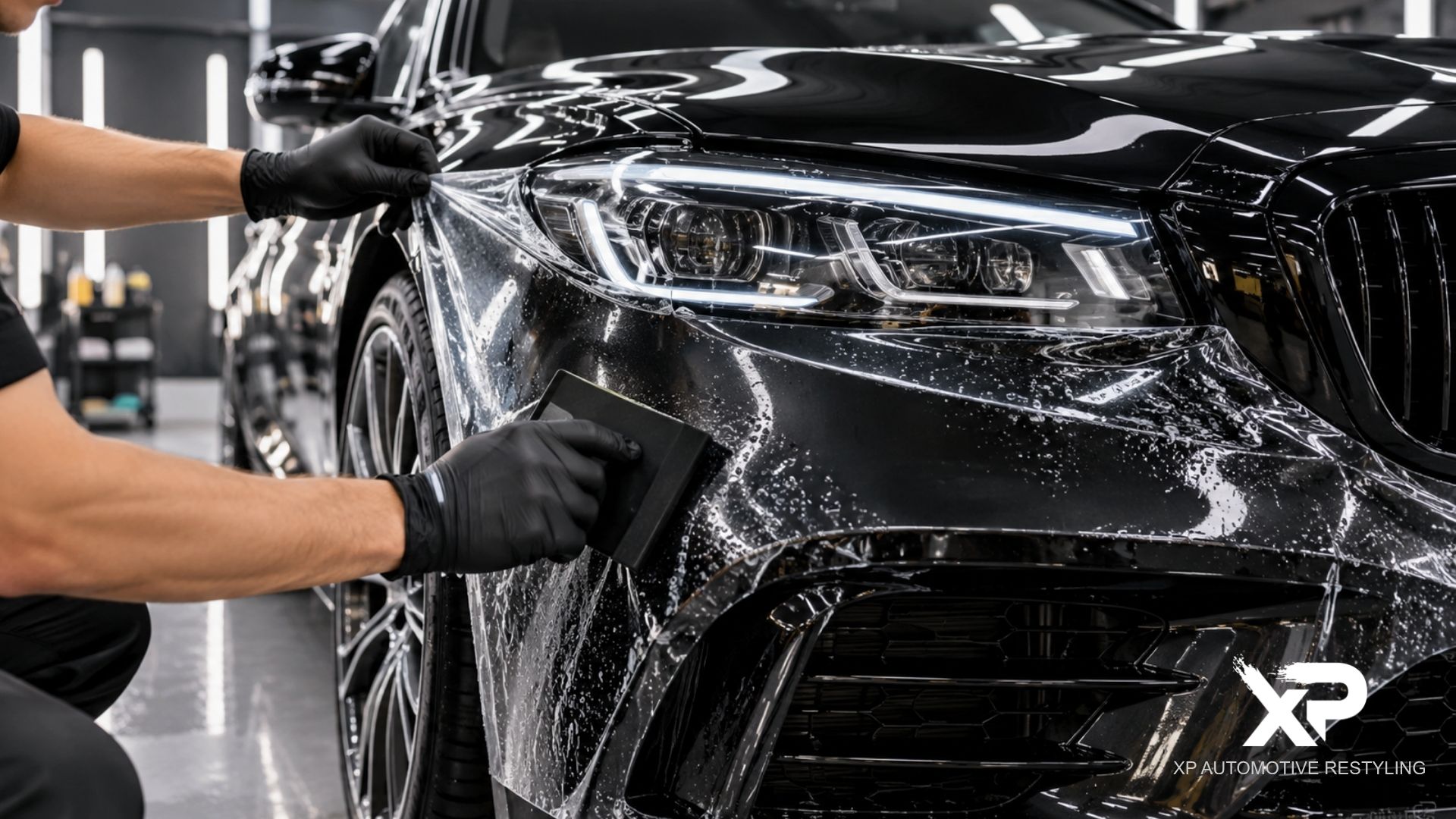
Modern PPF installation has become considerably more precise as film technology, vehicle-specific patterns, surface preparation methods, and installation techniques have advanced. Better material alone is not responsible for the clean appearance associated with today’s high-quality PPF work.
A modern installation starts with the paint itself. The vehicle needs to be thoroughly cleaned and decontaminated so dirt, bonded particles, or other imperfections do not become trapped beneath the film. The paint is also inspected to determine whether any existing defects should be addressed before protection is applied.
From there, precision becomes increasingly important. Computer-cut patterns can be created for specific vehicle panels, reducing unnecessary cutting directly against the paint and helping installers achieve consistent fitment. Careful edge management can make transitions less noticeable, while proper positioning prevents tension from being concentrated where it could eventually affect adhesion.
The installation environment has evolved as well. Good lighting helps identify contamination and alignment issues that could otherwise be missed, while a clean, controlled workspace reduces the chances of unwanted particles becoming trapped during application.
At XP Automotive Restyling, we view installer skill as part of the product rather than something separate from it. Even highly advanced film depends on careful preparation, precise fitting, and correct finishing. That’s why choosing an experienced paint protection film installer and investing in professional PPF installation remain essential despite how sophisticated the material itself has become.
Conclusion: From Protective Film Technology to Modern Automotive PPF
Paint Protection Film has evolved from a highly functional protective material into an advanced automotive product combining impact resistance, optical clarity, improved adhesives, and modern surface technology. Despite those changes, its fundamental purpose has remained remarkably consistent: protect a vulnerable surface by placing a durable barrier between it and potential damage.
That evolution has made PPF considerably more practical for today’s vehicle owners. Modern films can conform to complex body panels, maintain the appearance of factory paint, resist environmental exposure, and even reduce the visibility of light surface marks through self-healing technology.
The film itself, however, is only part of the equation. Quality materials need proper preparation and professional PPF installation to achieve the appearance, adhesion, and longevity owners expect.
At XP Automotive Restyling, we bring modern Paint Protection Film technology together with careful installation for drivers in Southampton, PA, and surrounding Bucks County communities. We can evaluate your vehicle, discuss how and where you drive, and recommend coverage based on the areas that actually need protection.
Contact XP Automotive Restyling today to schedule a consultation and explore modern PPF options for your vehicle. Whether you want targeted front-end coverage or broader protection, we’ll help you choose a solution designed to preserve your paint through the miles ahead.
XP Automotive Restyling - PPF, Window Tinting, Ceramic Coatings