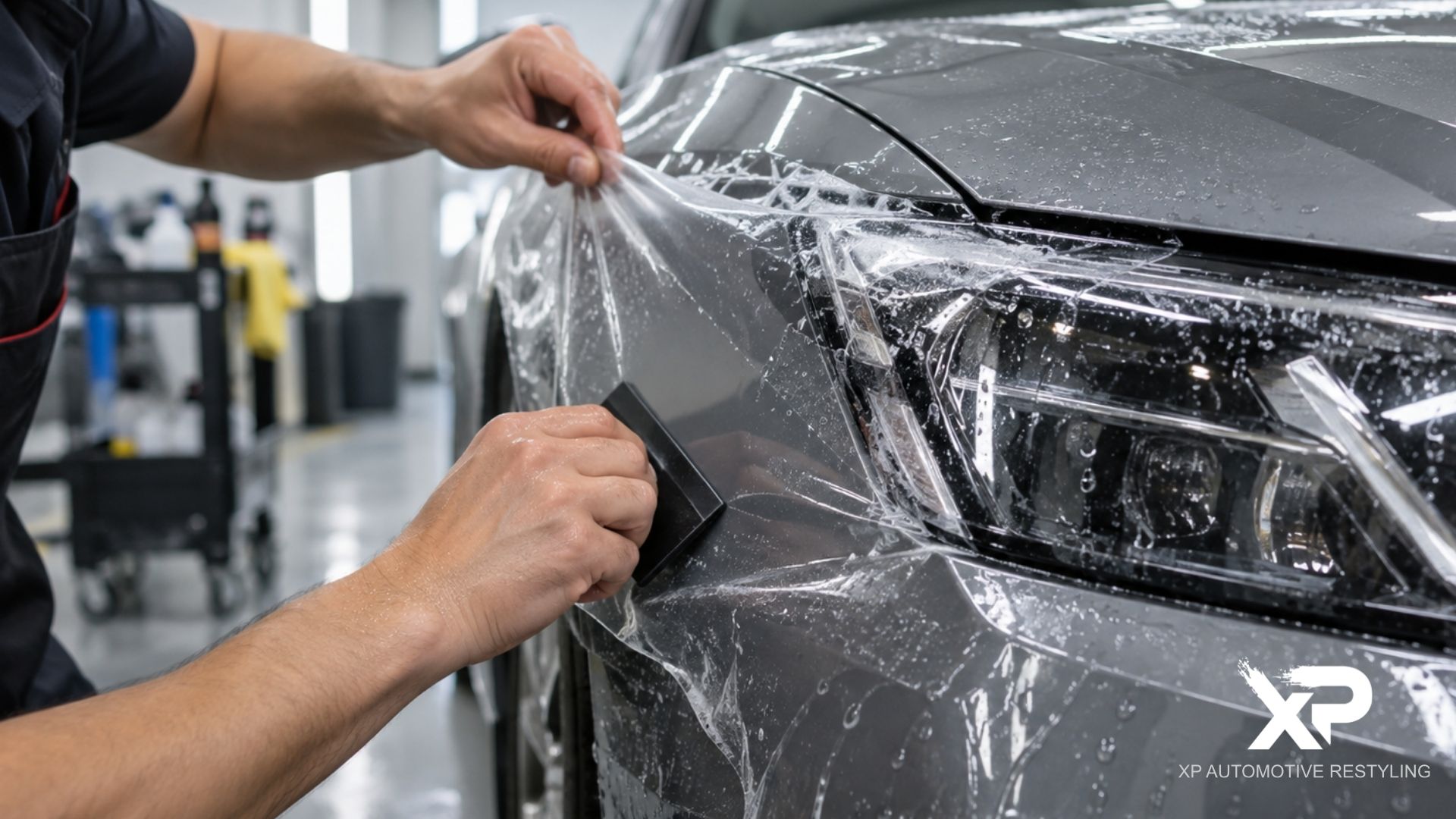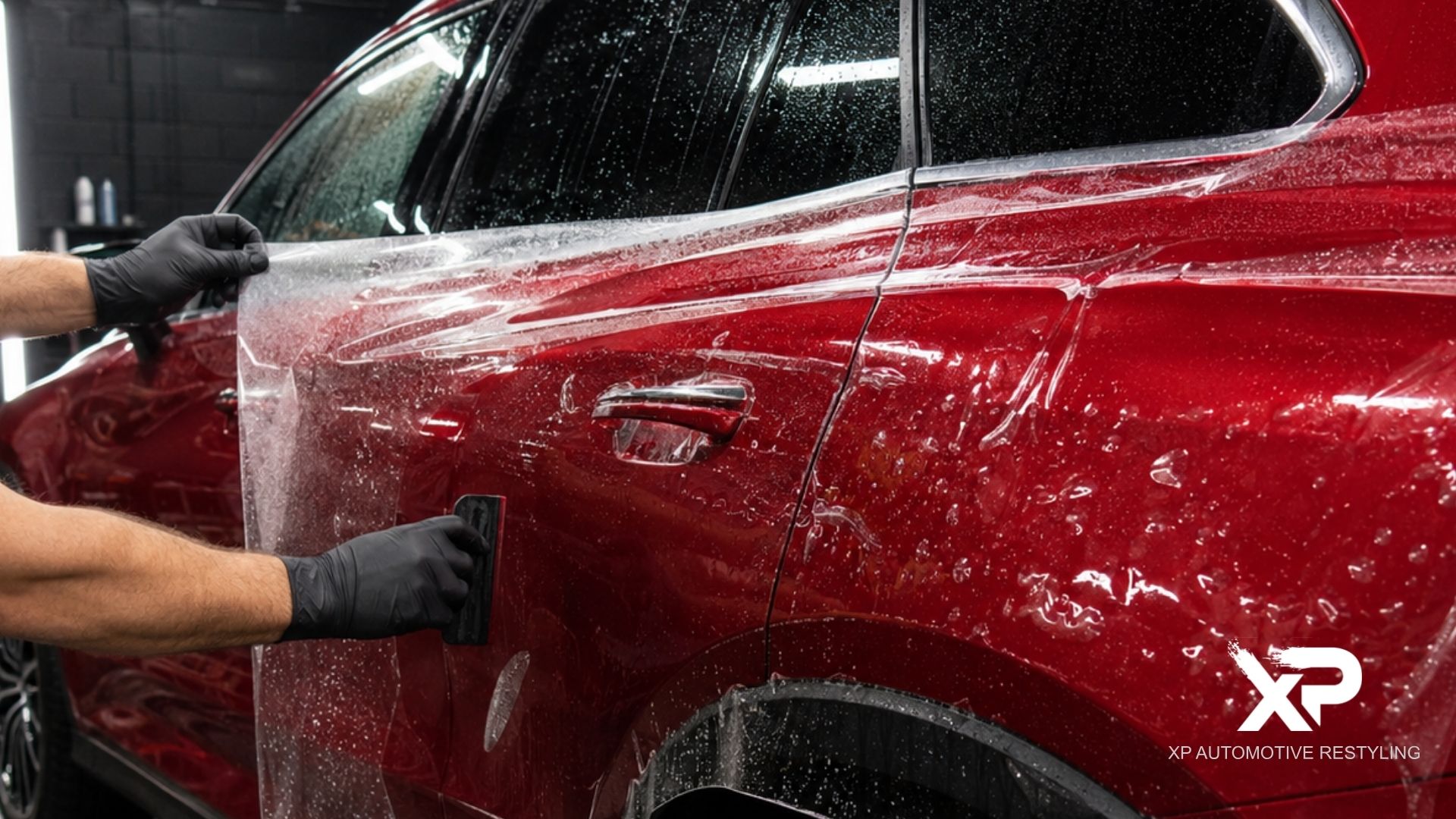
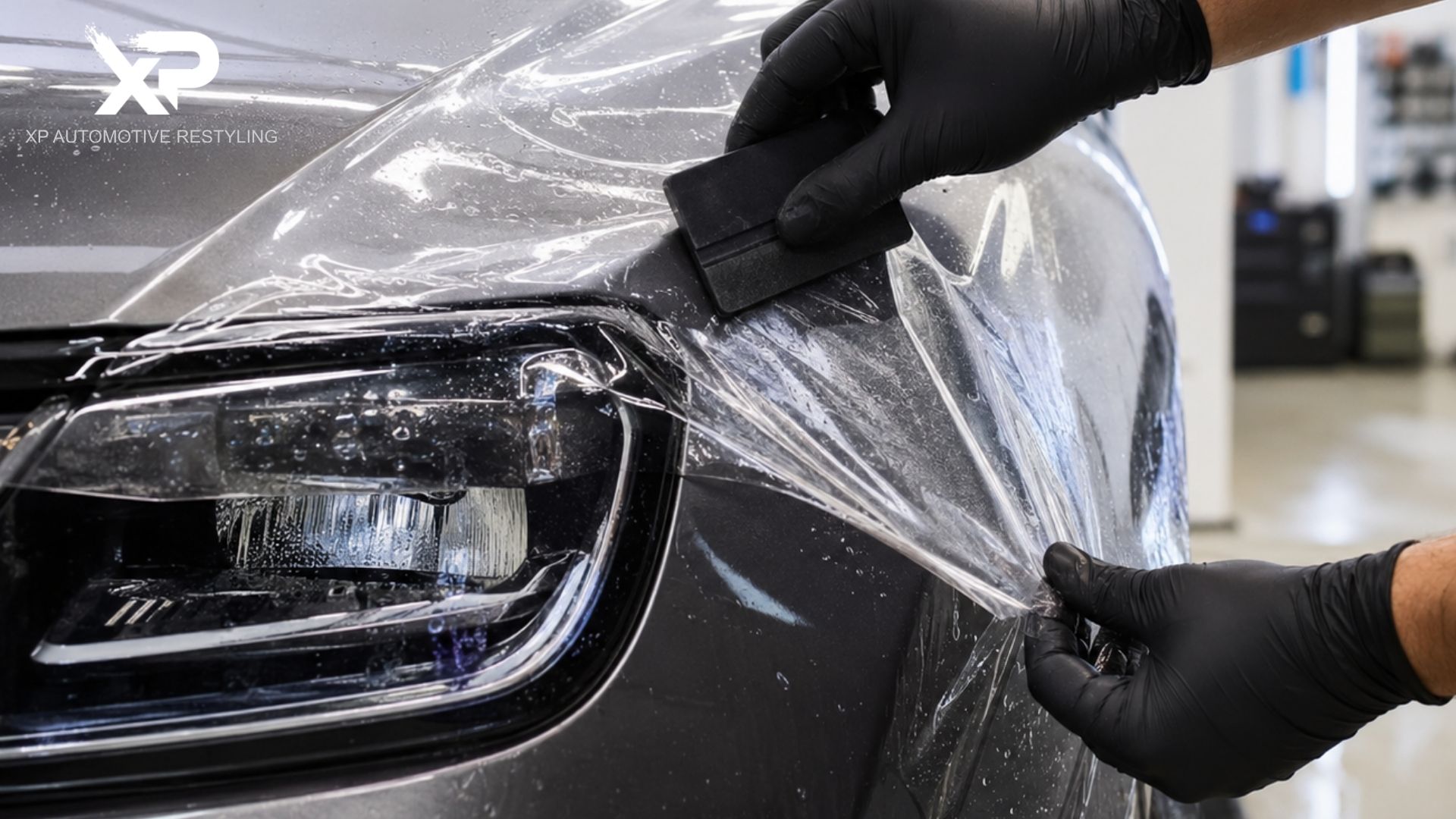
Self-healing paint protection film is a transparent protective layer that uses heat to reduce the appearance of light surface marks in its top coat. It helps shield vehicle paint from rock chips, scratches, road debris, bug splatter, and environmental exposure while preserving the factory finish through professional PPF installation.
What Is Self-Healing Paint Protection Film?
Self-healing Paint Protection Film is designed to protect automotive paint while reducing the appearance of minor surface marks through heat-activated technology. The “self-healing” feature applies to the film’s outer layer, not the vehicle’s paint itself.
This distinction is important because many people imagine the paint somehow repairing itself. In reality, the film acts as a sacrificial barrier. When light marks appear on its surface, the specialized top coat can respond to heat and become smoother again, helping the film maintain a cleaner appearance while continuing to protect the paint underneath.
Around Southampton, PA, vehicles regularly encounter conditions that make this technology especially valuable. Daily commuting along Route 1, highway travel through Bucks County, extended outdoor parking, and seasonal weather all expose painted surfaces to debris and environmental contaminants. Self-healing PPF has become increasingly popular because it helps drivers preserve their vehicles without changing how they use them.
For many long-term owners, paint protection film isn’t simply about avoiding damage today. It’s about maintaining vehicle paint protection year after year while helping the finish stay closer to its original condition.
How Does Self-Healing Paint Protection Film Actually Work?
The elastomeric top coat on self-healing Paint Protection Film responds to heat, allowing light surface marks within the film to become less noticeable over time. The important point is that the film heals itself, not the paint beneath it.
Small surface imperfections can gradually relax as the material warms, restoring much of the film’s smooth appearance without requiring repairs or replacement.
Heat Sources That Activate the Self-Healing Layer
- Warm sunlight during normal outdoor parking
- Higher ambient temperatures on warm days
- Hot water used during vehicle washing
- Gentle heat introduced through normal operating conditions
Not every mark disappears, and the technology isn’t intended to repair major damage. Instead, the self-healing layer continually helps reduce the appearance of everyday surface wear that naturally develops throughout ownership.
At XP Automotive Restyling, we like explaining this feature because it often surprises customers. Many people assume the technology is complicated, but the concept is actually straightforward. The specialized surface layer was engineered to respond naturally to heat, making heat activated PPF one of the most practical advances in modern paint protection technology.
What Types of Damage Can Self-Healing PPF Help Protect Against?
Self-healing Paint Protection Film is designed to help reduce damage from rock chips, bug splatter, road debris, light surface scratches, and environmental contaminants encountered during everyday driving.
Its protective abilities come from two different functions working together. The film acts as a physical barrier against impacts, while its specialized top layer helps minimize the appearance of light marks that occur on the film itself. There are two different types of protection:
Impact Protection
The film absorbs much of the contact from gravel, small stones, insects, and airborne debris before those hazards reach the paint.
Cosmetic Self-Healing
Light marks affecting the film’s outer surface may become less visible after exposure to heat, helping maintain a cleaner appearance.
Drivers traveling Route 1, commuting throughout Bucks County, or spending time on busy Pennsylvania highways regularly encounter conditions where rock chip protection, scratch protection film, and road debris protection can make a noticeable difference over time. While no protective product can eliminate every possible source of damage, self-healing Paint Protection Film is engineered to reduce many of the everyday hazards vehicles experience.
What Doesn't Self-Healing Paint Protection Film Repair?
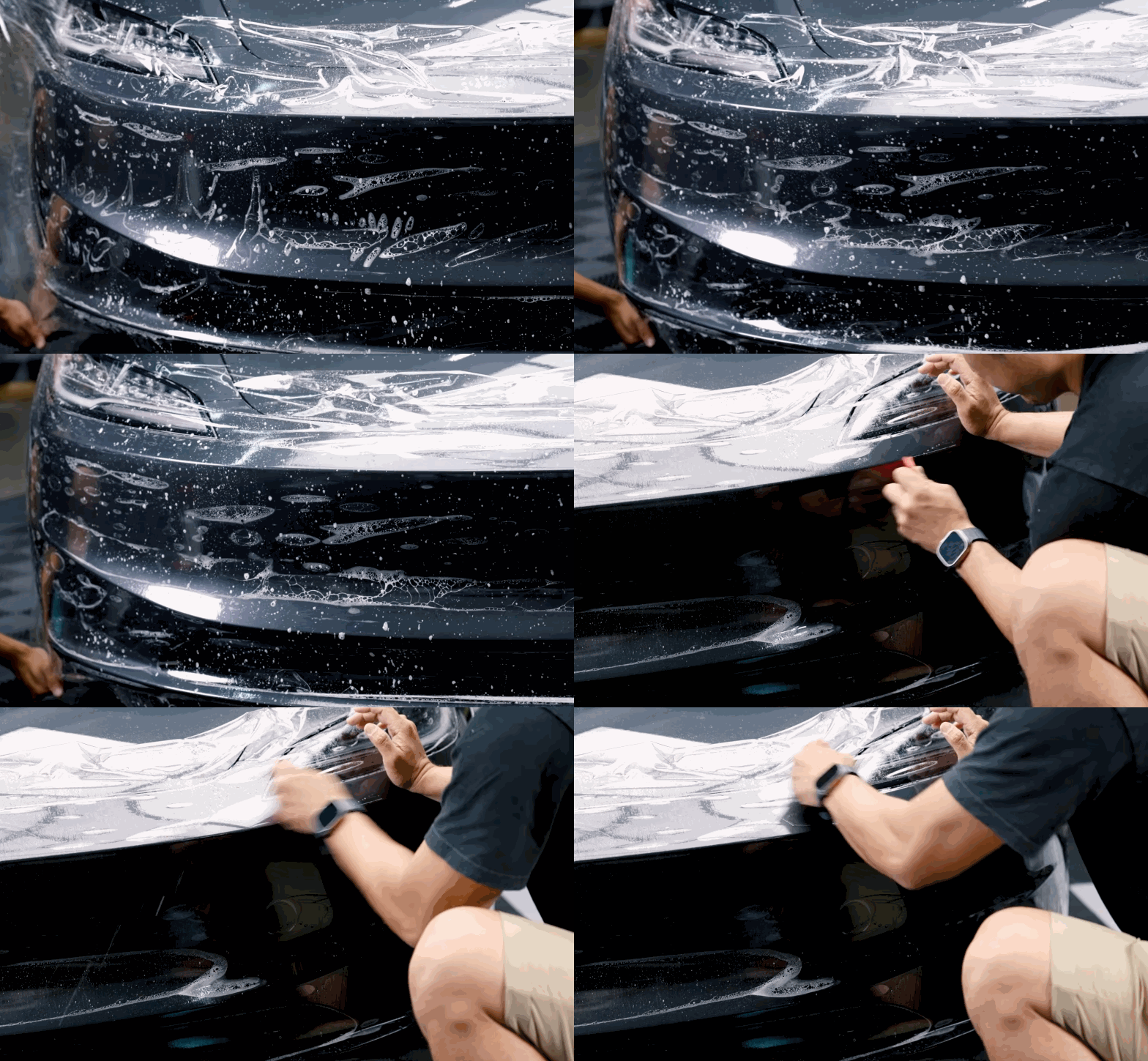
Self-healing technology is not designed to repair deep scratches, dents, torn film, or damaged paint beneath the protective layer.
Understanding those limitations is just as important as understanding the benefits. Setting realistic expectations helps owners appreciate what the technology was actually engineered to accomplish.
Self-Healing Has Clear Boundaries
Deep gouges that cut through the film, impact damage from larger objects, collision-related dents, or paint defects underneath the film require different solutions. Likewise, if the film itself becomes severely damaged, replacement of the affected section may be necessary instead of relying on self-healing properties.
These limitations don’t reduce the value of the product. Instead, they reinforce its intended purpose: minimizing everyday cosmetic wear while providing long-term protection against common driving hazards.
Good paint protection film care also contributes to performance. Routine washing, prompt removal of contaminants, and periodic inspections help maximize PPF durability while ensuring the film continues protecting the vehicle as intended for years to come.
Is Self-Healing Paint Protection Film Worth It for Daily Drivers?
Yes, many daily drivers find self-healing Paint Protection Film worthwhile because it continuously helps preserve the vehicle’s appearance during normal use. Instead of preventing only major incidents, it works quietly in the background to reduce the visible effects of everyday driving.
For most people, vehicle ownership isn’t about occasional weekend trips. It’s about commuting to work, running errands, parking outside, and driving through changing weather week after week. Those routines gradually expose paint to conditions that can affect its appearance over time.
Why Daily Drivers Often Appreciate Self-Healing PPF
- Frequent commuting means more exposure to road debris and highway traffic.
- Outdoor parking increases contact with UV rays, pollen, and environmental contaminants.
- Long-term ownership gives protective products more time to deliver value.
- Light surface marks become less noticeable as the self-healing layer responds to heat.
At XP Automotive Restyling, we’ve found that many customers don’t fully appreciate the self-healing PPF benefits until they’ve lived with the product for several months. The vehicle simply stays looking cleaner with less concern about the small imperfections that naturally appear during everyday use.
For drivers focused on daily driver paint protection and long-term paint protection, that steady performance often becomes one of the biggest advantages of the technology.
Does Self-Healing Technology Change How You Maintain Your Vehicle?
Regular maintenance is still important even with self-healing Paint Protection Film. While the film can reduce the appearance of light surface marks, it doesn’t eliminate the need to care for the vehicle properly.
One of the biggest misconceptions is that self-healing technology makes the exterior maintenance-free. In reality, routine care helps the film continue performing as intended while protecting the paint underneath. Some good habits that help preserve performance are:
Wash the Vehicle Regularly
Removing dirt and road grime prevents contaminants from remaining on the surface for extended periods.
Clean Bug Splatter Promptly
Organic residue is easier to remove before it has time to dry onto the film.
Inspect the Film Periodically
Occasional inspections help identify lifting edges or damage that may require attention.
Use Appropriate Cleaning Products
Following recommended paint protection film maintenance practices helps preserve the film’s finish over time.
Consistent PPF care doesn’t need to be complicated. Simple maintenance performed on a regular basis is usually enough to maintain paint protection film and support the long-term performance of the self-healing surface.
How Do You Know if Self-Healing PPF Is Right for Your Vehicle?
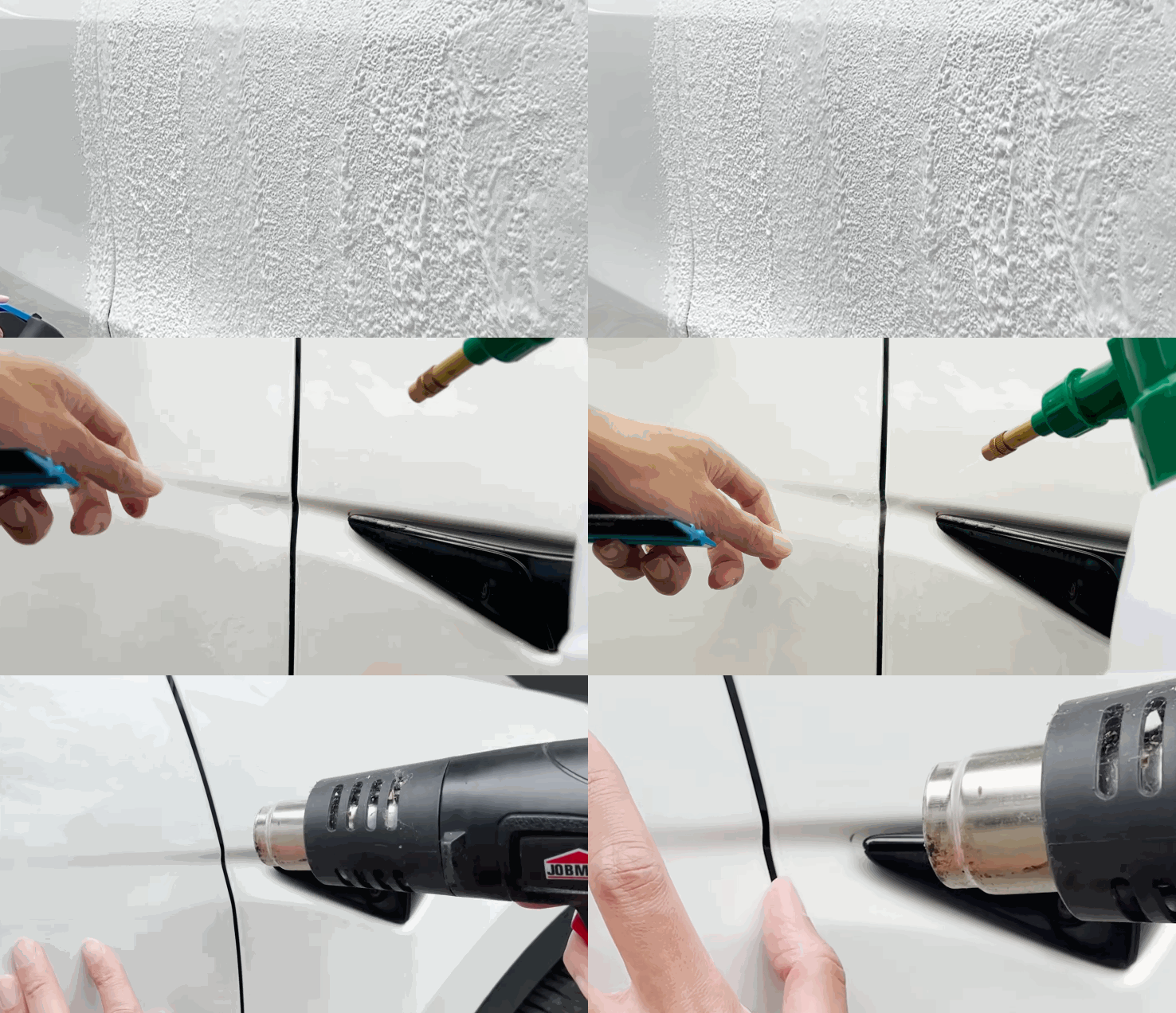
The best candidates for self-healing Paint Protection Film are drivers who want long-term paint preservation rather than temporary cosmetic improvements.
The decision has much less to do with the type of vehicle than with the way it’s used. A daily commuter traveling throughout Southampton may benefit just as much as someone driving a high-performance sports car.
Before deciding on protection, it’s helpful to think about how your vehicle fits into your everyday life.
Questions Worth Asking Yourself
- Do I spend a lot of time driving on highways like Route 1 or I-95?
- Is my vehicle parked outdoors most days?
- Am I planning to keep this vehicle for several years?
- Do I want to preserve the factory finish instead of repairing paint later?
Those answers usually provide more useful guidance than focusing on the vehicle’s price or model.
At XP Automotive Restyling, our recommendations are based on driving habits, ownership goals, and vehicle use rather than assumptions about what someone “should” buy. Professional PPF installation delivers the greatest value when it reflects how the vehicle is actually driven and the owner’s priorities for long-term vehicle paint preservation.
Conclusion: Protect Your Paint With Modern Self-Healing Technology
Self-healing Paint Protection Film helps preserve automotive paint by combining impact protection with a heat-responsive surface layer that reduces the appearance of light marks on the film itself.
That combination allows the film to protect the vehicle from many everyday hazards while maintaining a cleaner appearance throughout normal ownership. Although the technology doesn’t repair paint or eliminate every possible form of damage, it provides an effective layer of protection against the wear that comes with daily driving.
Choosing quality materials and professional PPF installation is essential for achieving the long-term performance owners expect. Proper preparation, careful installation, and premium film all contribute to a finish that looks better and lasts longer.
At XP Automotive Restyling, we help Southampton drivers choose Paint Protection Film solutions that match their vehicles, driving habits, and long-term goals. Whether you’re exploring self-healing technology for a new vehicle or upgrading your current one, our team is here to answer your questions and provide honest recommendations.
Contact XP Automotive Restyling today to learn more about our self-healing Paint Protection Film services in Southampton, PA. Schedule a consultation and let us help you find the protection option that keeps your vehicle looking its best for years to come.
XP Automotive Restyling - PPF, Window Tinting, Ceramic Coatings