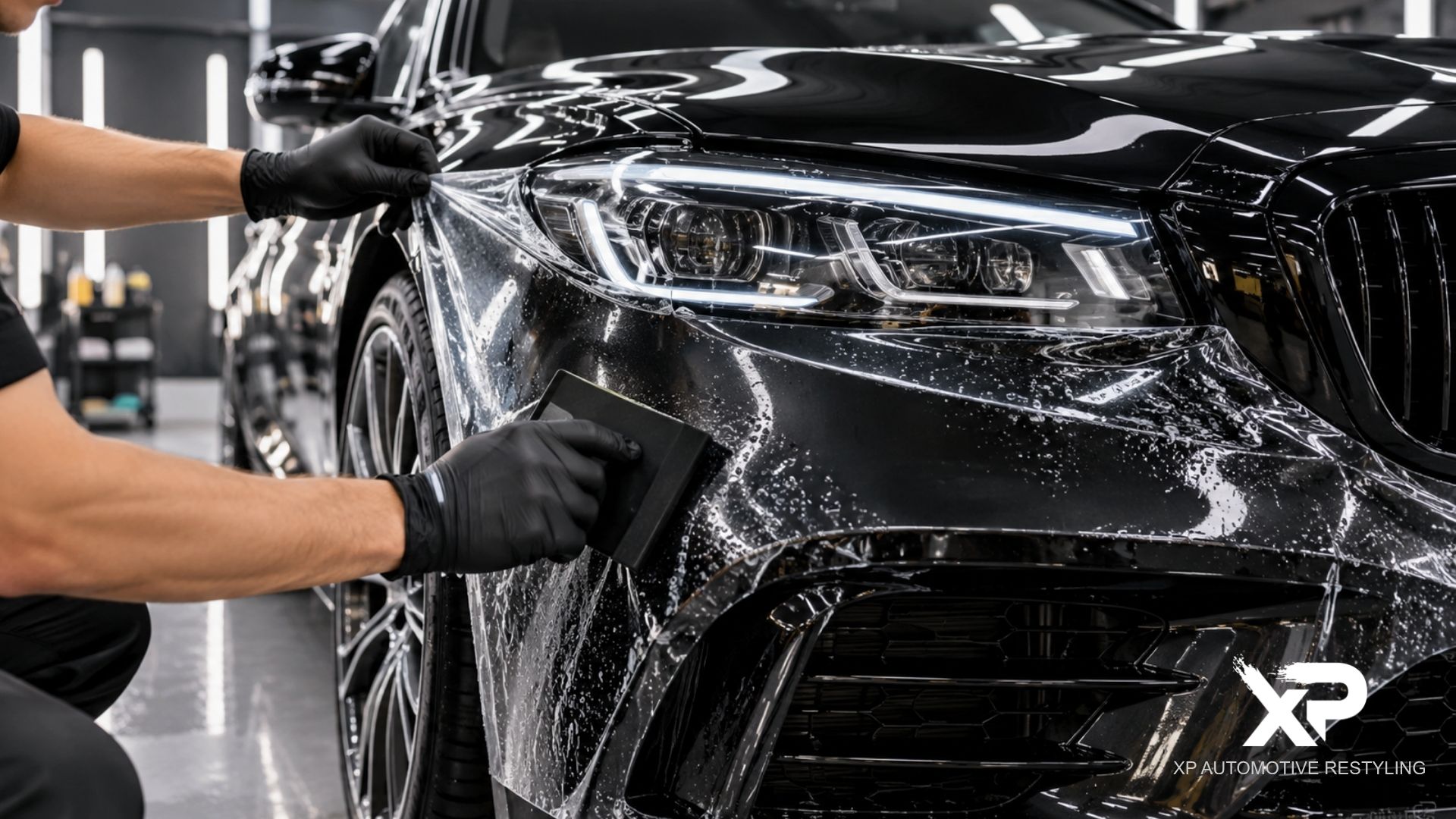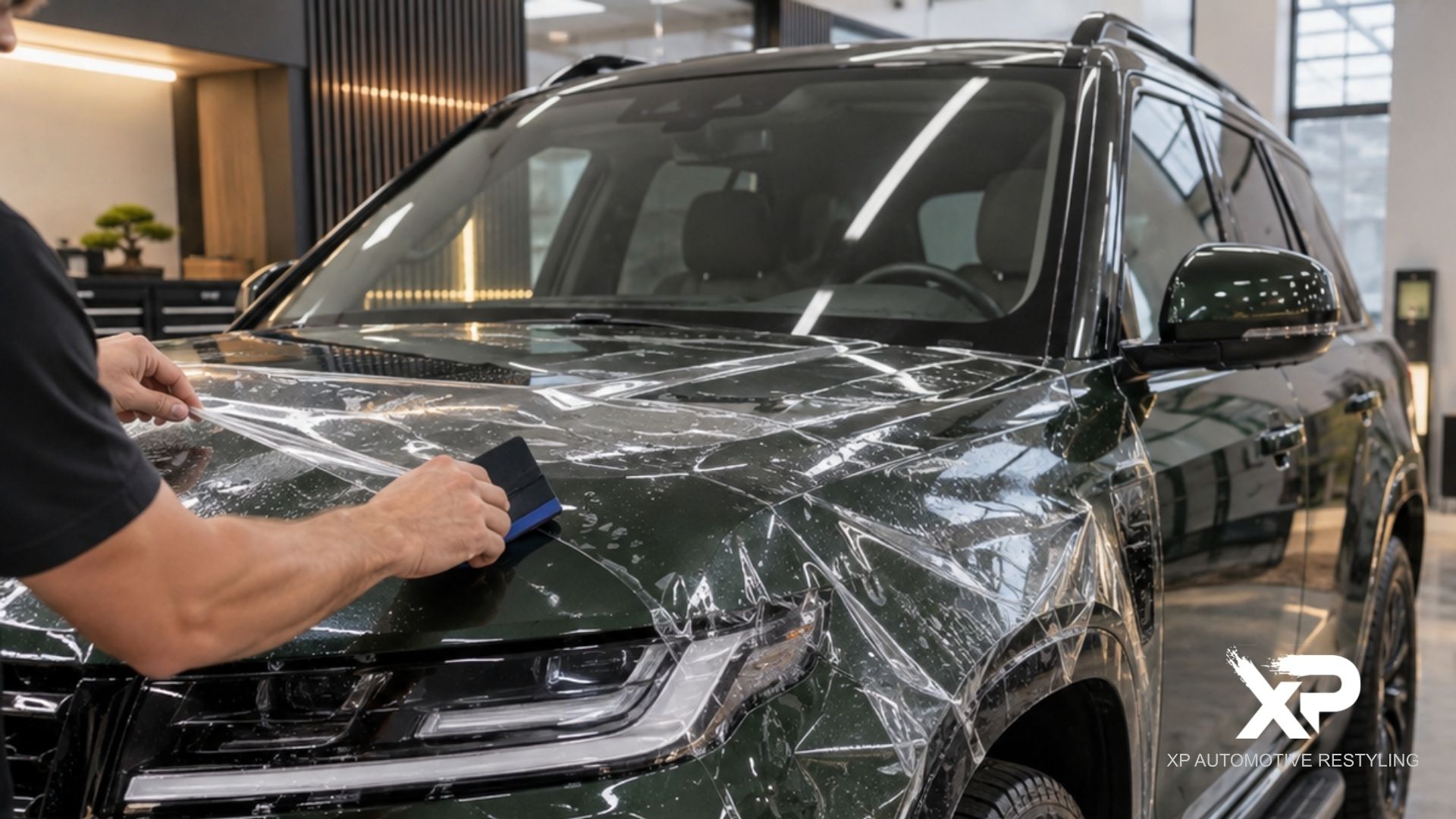
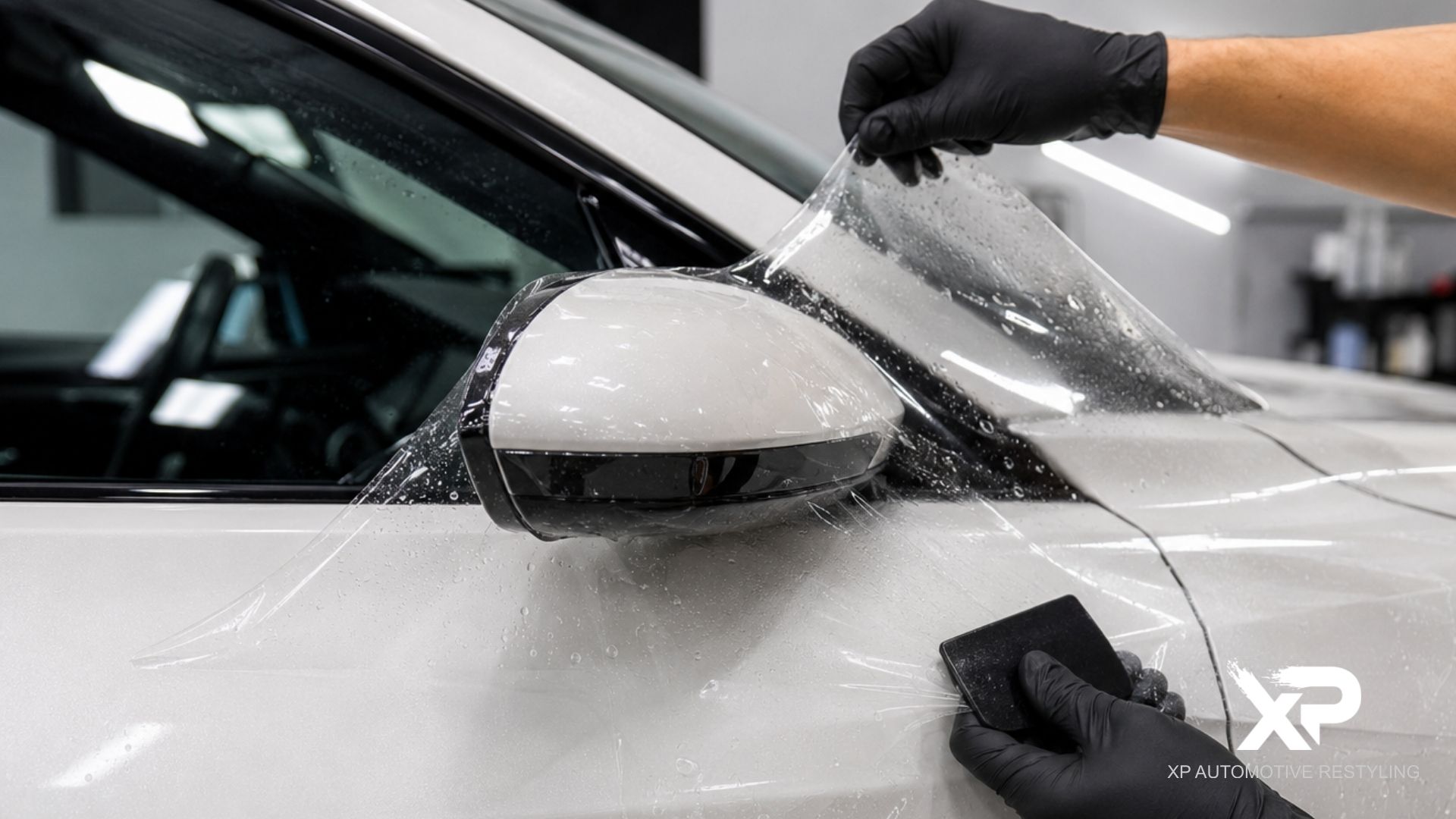
Paint protection film often provides greater long-term value because it helps prevent rock chips, scratches, and everyday paint damage before repairs become necessary. While paint correction restores existing imperfections, Paint Protection Film focuses on preserving factory paint and reducing future repair needs, making it a strong option for long-term paint protection.
Does Paint Protection Film Save More Money Than Paint Repair?
Paint Protection Film is designed to prevent paint damage, while paint correction is designed to improve paint after damage has already occurred. Because prevention typically costs less than repeated restoration over the life of a vehicle, many drivers find that protecting paint early provides better long-term value.
That doesn’t mean one service replaces the other. Each serves a different purpose, and understanding that distinction is often the key to making a smart investment. A vehicle that spends years commuting through Bucks County encounters constant exposure to gravel, road debris, UV rays, insects, and changing weather conditions. Those hazards gradually affect paint, whether the damage is immediately visible or not.
Drivers using Route 1, I-95, or local commuter roads often experience small impacts that accumulate over time. Once those imperfections appear, paint correction can improve the finish, but it cannot prevent future damage from occurring. Paint protection film approaches the problem from the opposite direction by helping reduce damage before it reaches the paint. That’s why vehicle paint protection is often viewed as a proactive investment rather than a corrective expense.
What Is the Difference Between Paint Protection Film and Paint Correction?
Paint Protection Film helps prevent many forms of physical paint damage, while paint correction removes or minimizes imperfections that already exist in the paint. Rather than competing with one another, these services often work best together because they solve different problems.
One protects the finish before damage occurs. The other restores the finish after wear has developed.
How Each Service Contributes to Paint Preservation
Paint Protection Film
Creates a transparent barrier that helps reduce damage from rock chips, road debris, bug splatter, and other everyday hazards.
Paint Correction
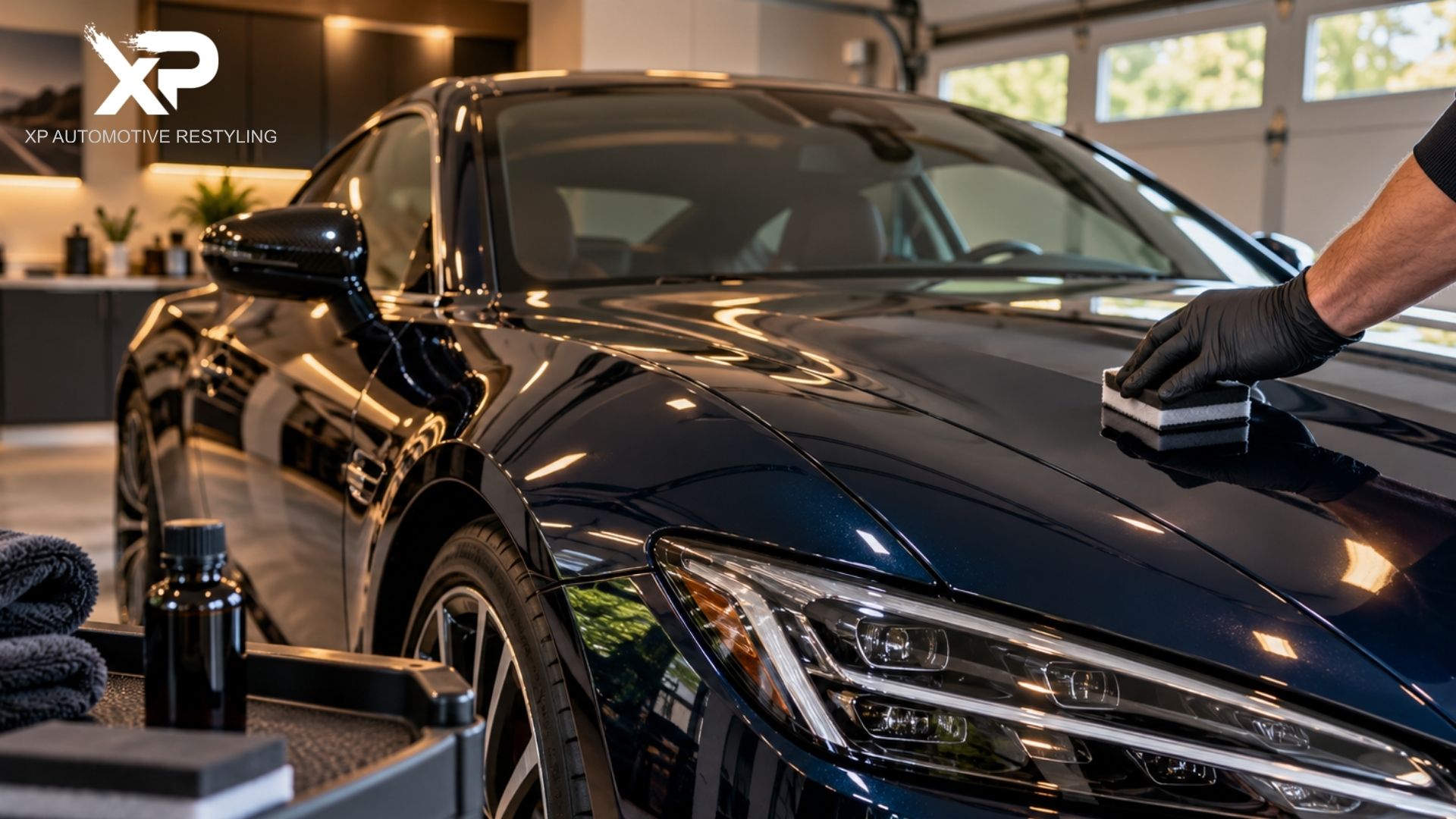
Uses specialized polishing techniques to reduce swirl marks, light scratches, oxidation, and other surface imperfections already present in the paint.
At XP Automotive Restyling, it’s common for these services to complement one another. If a vehicle already has minor defects, professional paint correction services may be recommended before film installation so the paint is restored first and then protected afterward.
Thinking of them as separate stages of automotive paint restoration rather than competing options often makes the decision much clearer.
Why Does Paint Damage Cost More Over Time?
Repeated paint repairs often become more expensive than preventing damage early because small problems rarely stay small.
A single rock chip might not seem significant, but over several years, dozens of chips, surface scratches, and repeated polishing sessions can gradually increase the amount of restoration a vehicle requires. Paint deterioration tends to accumulate instead of disappearing.
Costs That Can Build Throughout Ownership
- Paint chip repair on multiple panels
- Recurring polishing and paint correction
- Localized repainting
- Additional labor to restore damaged areas
- Protective services applied after repairs
One repair may seem manageable. The challenge is that everyday driving rarely creates just one repair. Small imperfections continue appearing as long as the paint remains exposed.
This cumulative effect is why long-term paint preservation often focuses on reducing future damage instead of repeatedly correcting existing defects. Preventing the next rock chip is frequently more practical than repairing the previous one.
Which Everyday Driving Conditions Cause the Most Paint Damage?
Highway driving, construction debris, changing weather, and everyday exposure create the majority of paint damage most vehicles experience.
The interesting part is that these conditions often feel completely routine. Most owners don’t notice paint changing from one day to the next because the process happens gradually.
Common Sources of Daily Paint Wear Around Bucks County
- Gravel and debris thrown by surrounding traffic on Route 1 and I-95
- Construction zones where loose aggregate is common
- Parking lots where carts, doors, and everyday contact occur
- Seasonal pollen, road grime, and environmental contaminants
- UV exposure during extended outdoor parking
None of these situations seem especially unusual on their own. Together, however, they create thousands of opportunities for vehicle paint damage throughout the year.
That’s one reason road debris protection has become increasingly valuable for drivers who spend significant time on Pennsylvania roads. By the time paint damage becomes obvious, the vehicle has often been accumulating wear for months or even years. Rock chip prevention is most effective when those high-exposure conditions are addressed before they leave a lasting mark.
Can Paint Protection Film Reduce Future Paint Correction?
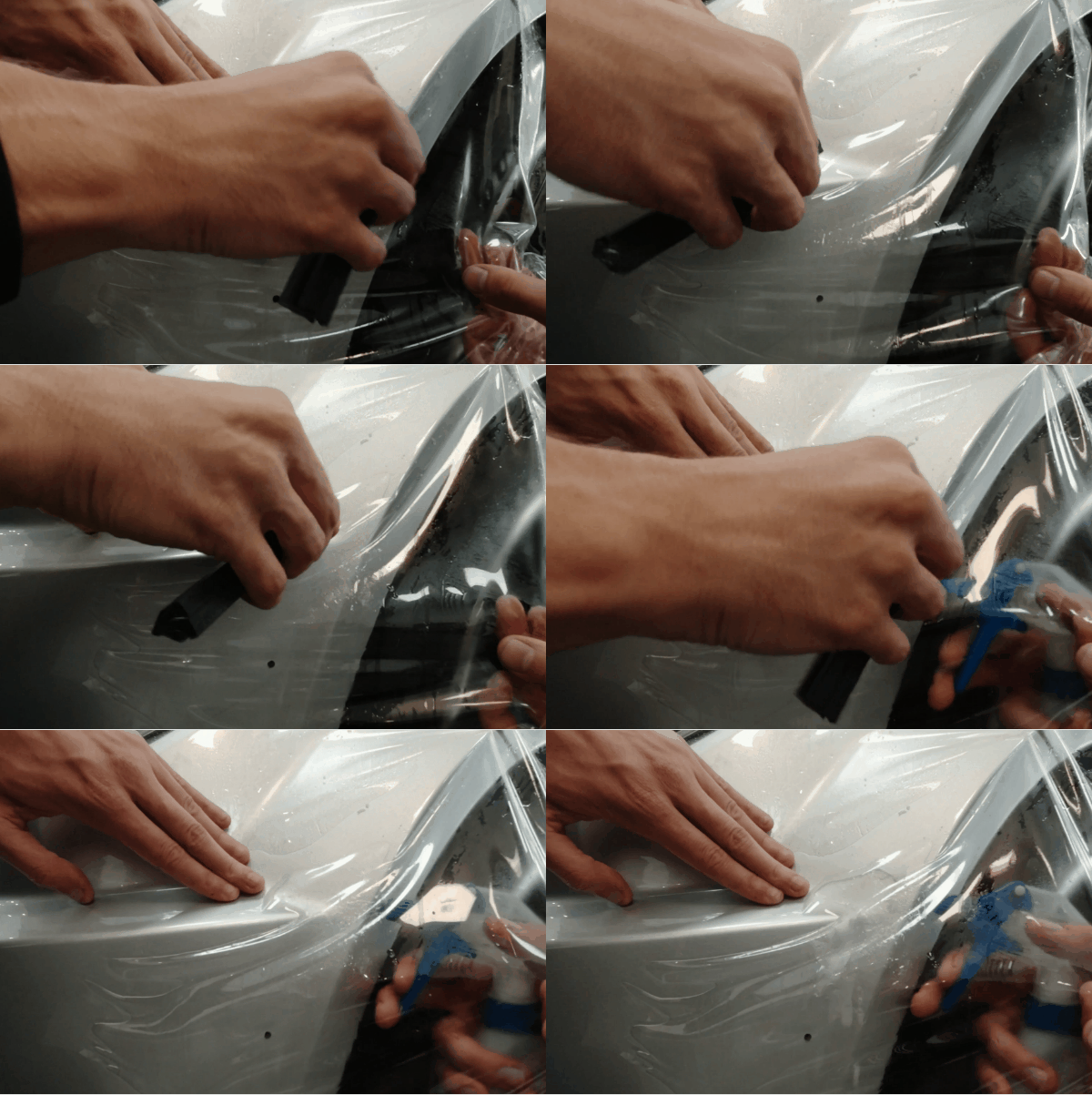
Yes, Paint Protection Film can reduce the need for future paint correction by helping prevent many of the types of damage that would otherwise require restoration. While no protective product can eliminate every possible repair, reducing the amount of damage reaching the paint often means fewer correction services are needed over the life of the vehicle.
Think of it as protecting the canvas instead of repainting it later. When the original finish remains in better condition, there’s simply less damage to remove or polish away.
How Protection Today Can Reduce Restoration Tomorrow
- Fewer rock chips reaching the factory finish
- Reduced surface wear from everyday road debris
- Better preservation of original paint
- Less frequent need for corrective polishing
- Improved long-term appearance
At XP Automotive Restyling, we often explain that one of the most overlooked paint protection film benefits is what doesn’t happen. Every chip, scratch, or blemish prevented is one less imperfection that may require future restoration. That’s why paint correction prevention begins with protecting the factory finish before normal driving conditions have a chance to take their toll.
When Does Paint Correction Still Make Sense?
Paint correction remains extremely valuable when a vehicle already has swirl marks, oxidation, light scratches, or other surface imperfections that affect its appearance.
Once those defects exist, applying Paint Protection Film over them won’t make them disappear. Since the film preserves the surface underneath, improving the paint beforehand often produces a better final result.
Situations Where Paint Correction Is Often Recommended
- Swirl Marks From Improper Washing: Light circular scratches can usually be reduced before protection is applied.
- Minor Surface Imperfections: Small defects that affect gloss or clarity are often addressed during paint restoration.
- Older Vehicles: Vehicles that have accumulated years of wear frequently benefit from professional paint correction before receiving Paint Protection Film.
- Preparing for Long-Term Protection: Restoring the finish first allows the film to preserve the best possible version of the paint.
Paint preparation plays an important role in achieving quality results. Protecting already-corrected paint helps preserve that investment, making professional paint correction and Paint Protection Film complementary services rather than alternative choices.
Should You Spend More Upfront or Pay for Repairs Later?
The answer depends on your ownership goals, but for drivers planning to keep their vehicles for several years, preventing damage often provides greater long-term value than repeatedly repairing it.
Every vehicle owner has different priorities. Someone leasing a vehicle for a short period may evaluate protection differently than someone intending to drive the same vehicle for the next decade.
Instead of asking, “Which option costs less today?” consider asking yourself a different set of questions.
Questions That Can Help Guide the Decision
- How many miles do I drive each year?
- Do I spend a lot of time on highways?
- Is my vehicle usually parked outdoors?
- How long do I expect to own this vehicle?
- How important is maintaining the factory finish?
The answers often make the decision much clearer.
At XP Automotive Restyling, we find that drivers with high annual mileage, frequent highway commuting, or long ownership plans often place greater value on prevention. For them, a paint protection investment can help reduce future paint repair costs while supporting broader long-term vehicle protection goals.
There isn’t one correct answer for every owner. The right approach is the one that reflects how the vehicle will actually be used.
Does Vehicle Age Change the Value of Paint Protection Film?
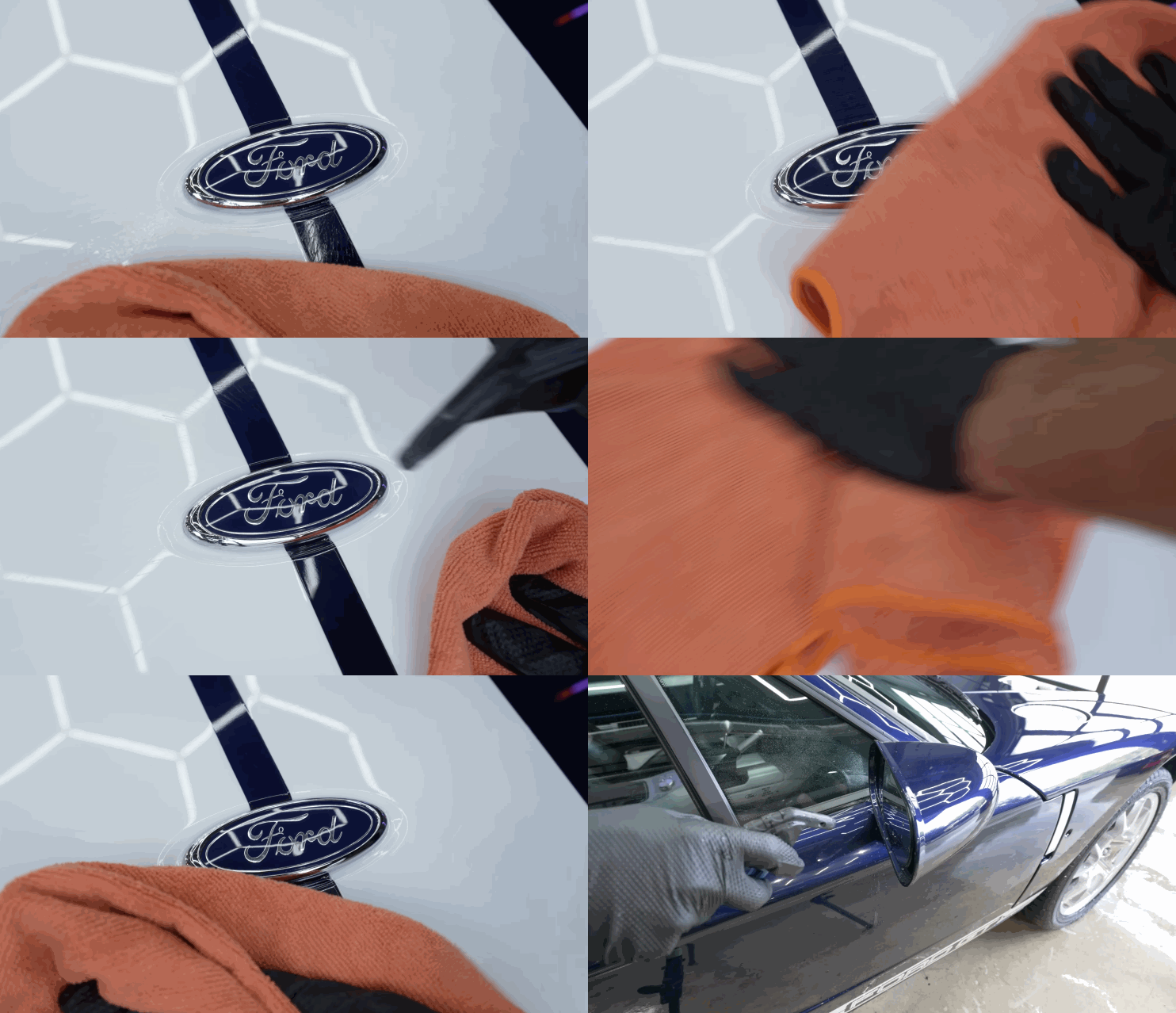
Yes, vehicle age can influence the value of Paint Protection Film, but it doesn’t determine whether the product is worthwhile. Both new and older vehicles can benefit from protection, although the reasons for installing it are often different.
A newer vehicle gives owners the opportunity to preserve factory paint before everyday wear begins. An older vehicle, especially one that has already received professional paint correction, can also benefit because the restored finish is protected from accumulating new damage.
How Protection Goals Change Over Time
- New vehicles are typically protected to preserve factory paint from day one.
- Vehicles with corrected paint benefit from maintaining the results of recent restoration work.
- Well-maintained daily drivers can reduce future cosmetic wear despite already having some mileage.
- Long-term ownership vehicles often benefit from preventing additional deterioration rather than continually repairing paint.
At XP Automotive Restyling, we encourage owners to evaluate the current condition of their vehicle instead of focusing only on its age. A five-year-old car with excellent paint may be a better candidate for Paint Protection Film than a much newer vehicle that has already accumulated significant cosmetic damage.
Ultimately, the goal remains the same regardless of model year: preserving the best possible version of the paint for as long as possible while reducing the need for future repairs.
Conclusion: Protect Paint Before You Have to Repair It
Preventing paint damage with Paint Protection Film is often more cost-effective than repeatedly repairing paint over the life of a vehicle.
That doesn’t diminish the value of paint correction. Both services serve important purposes, but they address different stages of vehicle ownership. Paint correction restores damaged surfaces, while Paint Protection Film helps preserve healthy paint before that damage occurs.
Choosing between them isn’t always an either-or decision. In many situations, the best long-term results come from restoring paint when necessary and then protecting that finish moving forward. The right recommendation depends on the vehicle’s current condition, driving habits, and ownership goals.
At XP Automotive Restyling, we help Bucks County drivers evaluate their vehicles honestly and recommend protection strategies based on what will provide the greatest long-term value. Whether your vehicle would benefit from Paint Protection Film, paint correction, or a combination of both, our team is ready to help.
Contact XP Automotive Restyling today to learn more about our Paint Protection Film and paint correction services in Bucks County, PA. Schedule a consultation, discuss your vehicle’s condition, and let us help you build a long-term protection strategy that keeps your paint looking its best.
XP Automotive Restyling - PPF, Window Tinting, Ceramic Coatings