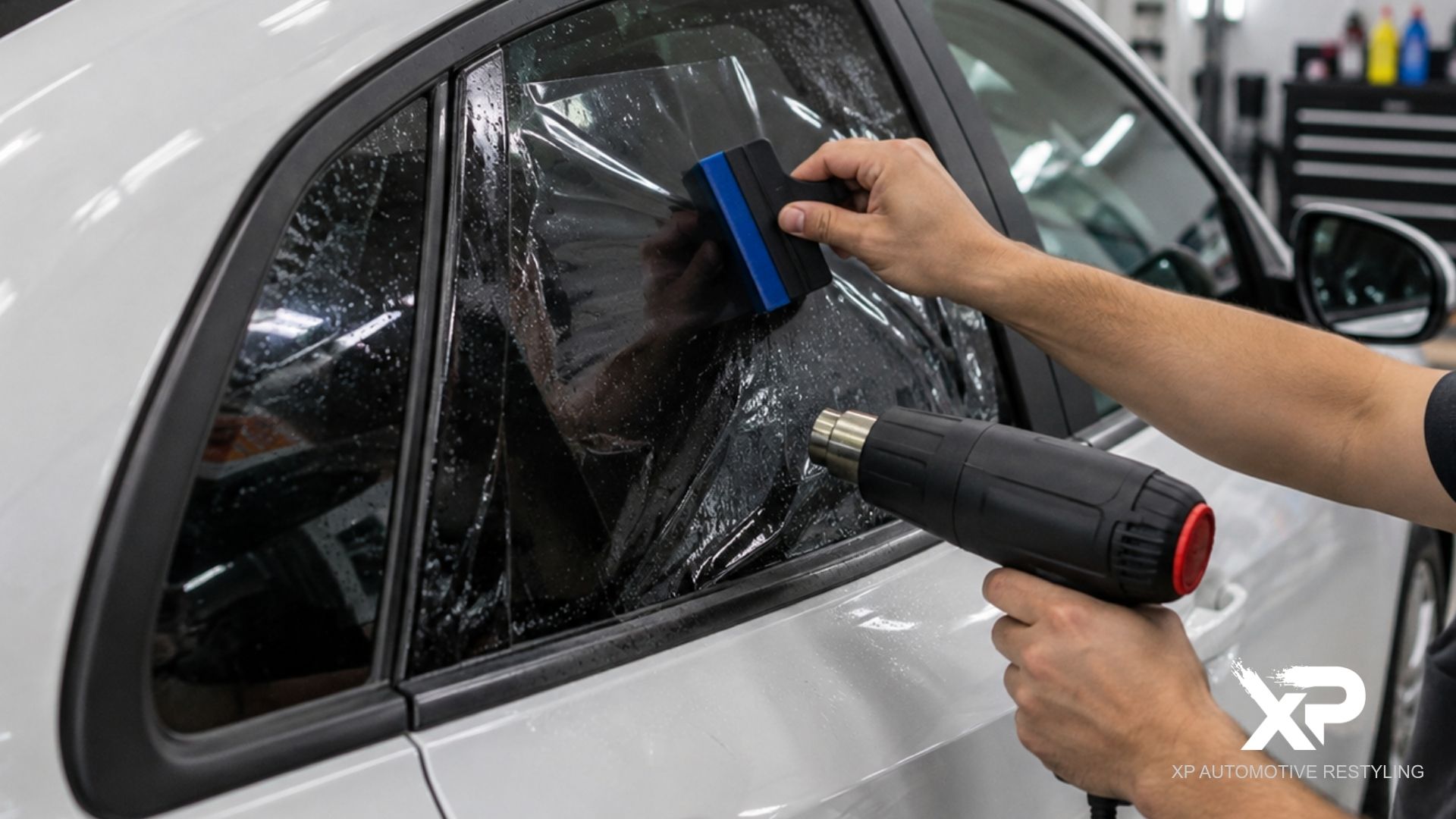
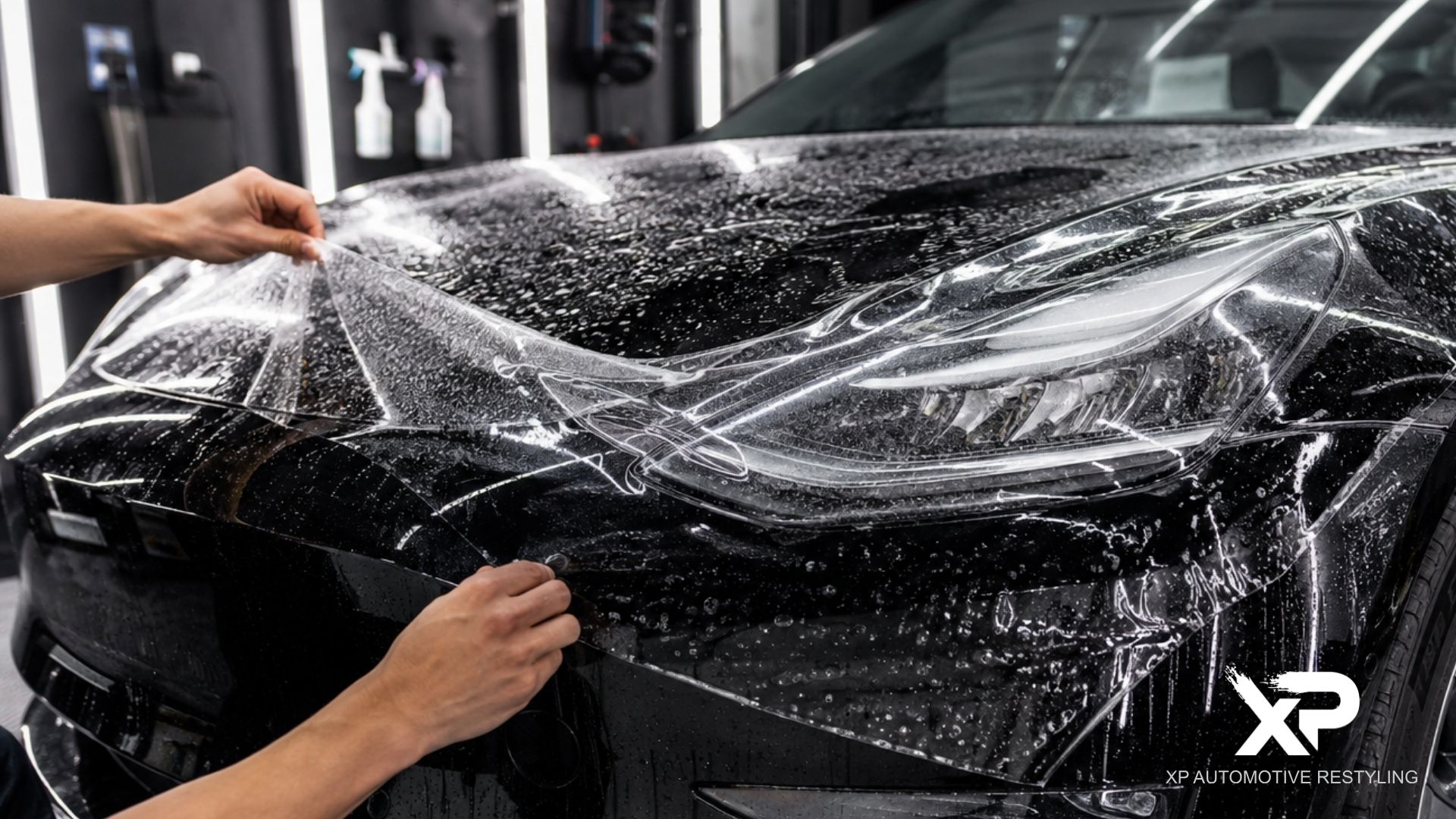
The best time to install Paint Protection Film is usually as soon as possible after purchasing a vehicle, before meaningful paint damage has an opportunity to occur. Early PPF installation allows the film to protect factory paint from the very beginning, reducing exposure to rock chips, road debris, bug splatter, and other everyday hazards that can affect a vehicle’s appearance over time.
That timing becomes especially important for drivers around Southampton, PA. A new vehicle can encounter highway debris on Route 1 during its first week of ownership, accumulate contaminants during daily Bucks County commuting, or spend hours exposed to the elements in outdoor parking lots. Once paint damage occurs, the conversation shifts from prevention to correction.
From our perspective, new car paint protection is most effective when it starts before the paint has been subjected to months or years of normal driving conditions. The earlier Paint Protection Film is installed, the more original paint can be preserved, helping maximize both protection and long-term value.
Why Do Most PPF Installers Recommend Installing Film Early?
Most PPF installers recommend early PPF installation because factory paint is easiest to protect before damage begins accumulating. The goal isn’t to repair existing wear. It’s to prevent that wear from happening in the first place.
The reality is that paint starts facing challenges immediately after a vehicle leaves the dealership. Even careful drivers encounter hazards they can’t fully control.
What Begins Affecting Paint Right Away?
- Rock chips from surrounding traffic
- Road debris kicked up during highway travel
- Bug splatter during warmer months
- Environmental contamination from dust, pollen, and pollutants
- UV exposure from daily outdoor parking
At XP Automotive Restyling, we’ve seen many vehicles arrive only a few months after purchase already showing minor chips and surface imperfections. While these issues may seem small individually, they can accumulate surprisingly quickly.
Protecting original paint while it’s still in near-perfect condition gives factory paint protection the greatest chance of delivering long-term vehicle paint preservation benefits.
Can a New Vehicle Already Have Paint Damage?
Yes, a new vehicle can sometimes arrive with minor paint imperfections before it has ever been driven by its owner.
Many people assume that “new” automatically means flawless. In reality, vehicles often go through several stages before reaching a dealership lot, and each stage introduces opportunities for minor cosmetic imperfections.
Potential Sources of Early Paint Imperfections
- Transportation from manufacturing facilities
- Extended outdoor storage before delivery
- Dealership washing and preparation procedures
- Environmental exposure while displayed on the lot
These issues are often subtle and may not be noticeable without close inspection. That’s one reason a new car paint inspection is such an important step before any film is applied.
Professional installers frequently evaluate the paint carefully to determine whether paint correction before PPF would improve the final result. Since Paint Protection Film is designed to preserve the surface underneath it, starting with the best possible paint condition helps maximize both appearance and automotive paint protection.
Is There Such a Thing as Waiting Too Long for Paint Protection Film?
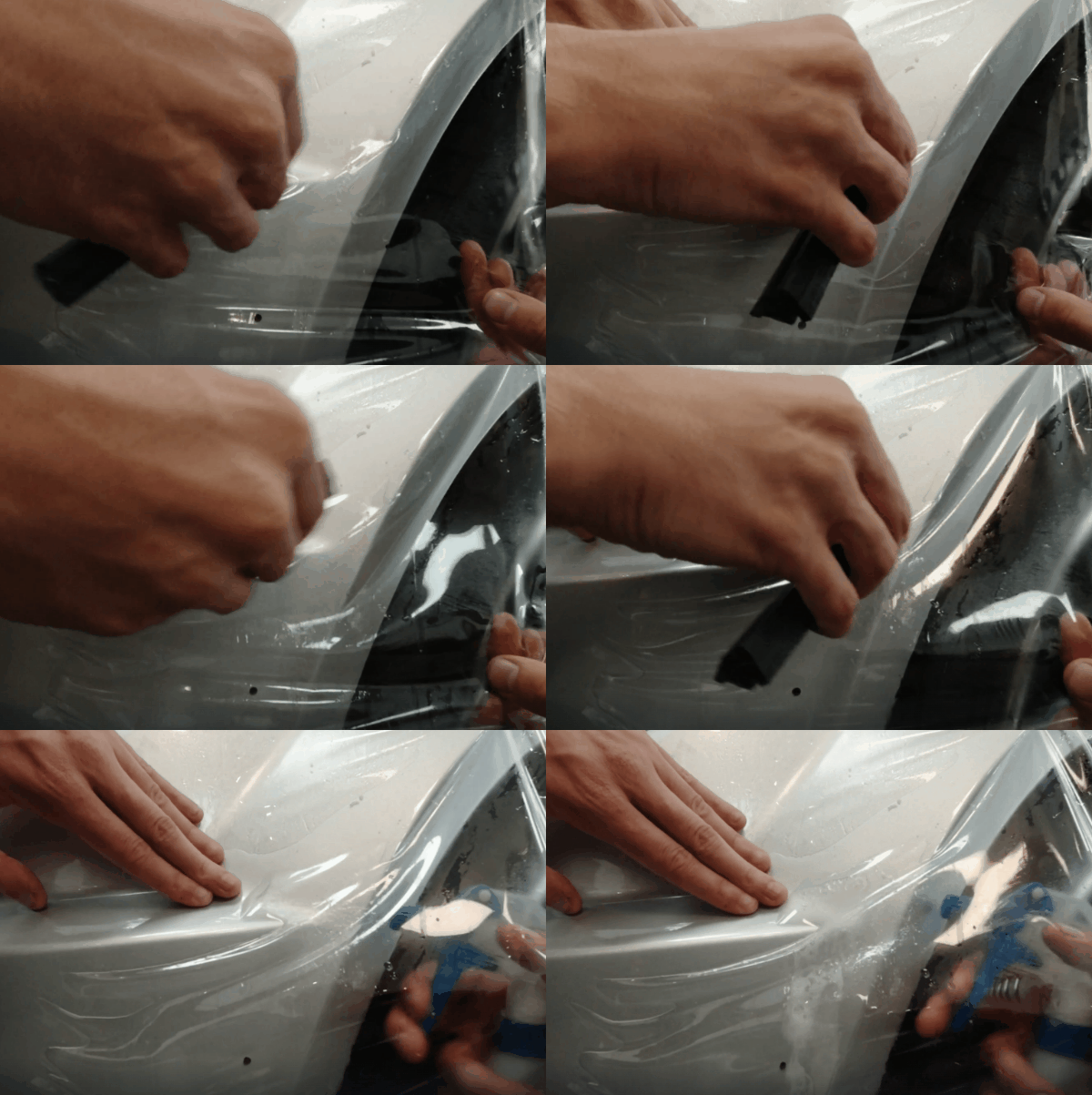
Yes, delaying protection increases the likelihood that paint damage will occur before the film is installed.
That doesn’t mean Paint Protection Film becomes ineffective after a vehicle has accumulated some mileage. It simply means the installer may be protecting paint that has already experienced wear rather than preserving paint in its original condition.
Unlike a dramatic accident or a single major scratch, paint damage usually develops gradually. Small chips, minor abrasions, and environmental exposure tend to accumulate quietly until they become noticeable.
Over time, drivers may encounter:
- Small rock chips on the hood or bumper
- Fine scratches from daily use
- Surface contamination that becomes more difficult to remove
- Early signs of environmental wear
When these imperfections are already present, additional preparation or correction may be necessary before film installation can begin.
Many of the paint protection film benefits people appreciate most come from preventing damage before it starts. That’s why delayed PPF installation often changes the focus from preservation to restoration and protection.
What Happens Before PPF Installation on a New Vehicle?
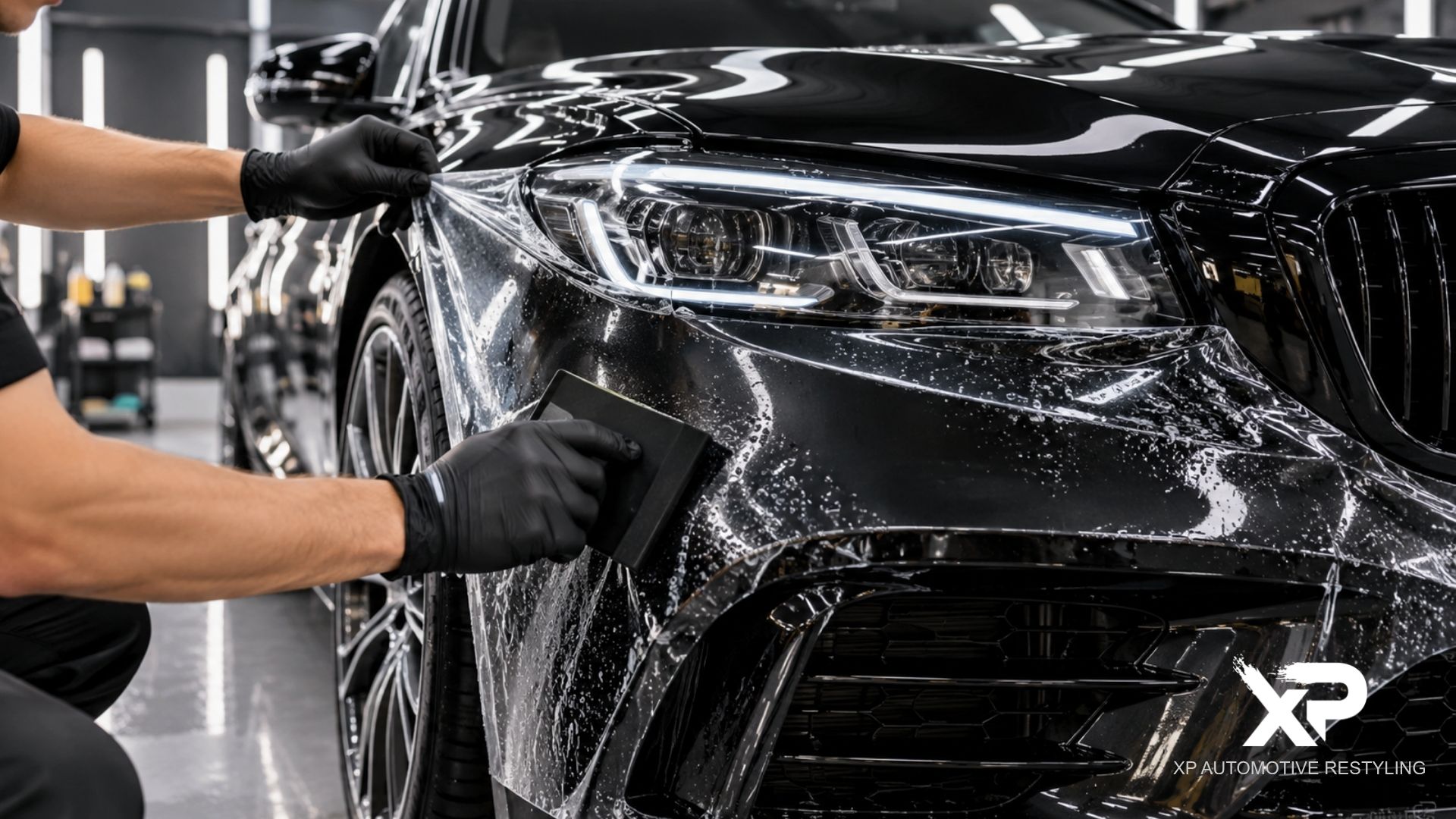
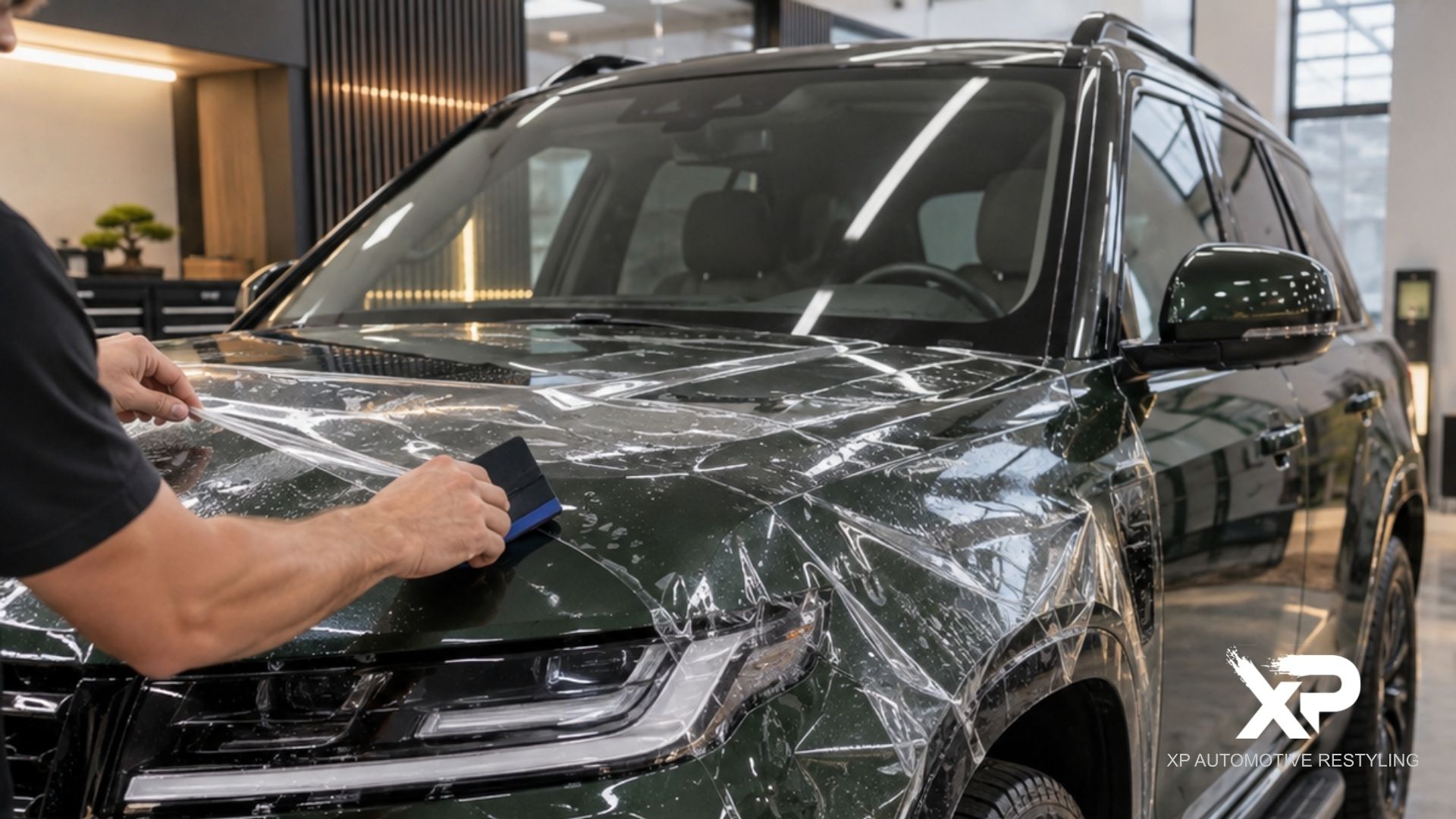
Professional preparation is one of the most important parts of the PPF installation process. In many cases, the preparation stage takes longer than people expect because the quality of the finished result depends heavily on the condition of the paint underneath.
Typical Preparation Steps
- Vehicle Washing: The surface is cleaned thoroughly to remove dirt, dust, and contaminants.
- Decontamination: Embedded particles that cannot be removed during a standard wash are addressed to create a smooth surface.
- Paint Inspection: The paint is carefully evaluated under proper lighting to identify any imperfections that may affect the installation.
- Potential Paint Correction: If necessary, minor defects can be addressed before the film is applied.
Proper paint preparation creates the foundation for professional PPF installation. A clean, well-prepared surface helps improve adhesion, appearance, and long-term performance. The better the preparation, the better the film can perform over the years ahead.
Which Areas of a New Car Should Be Protected First?
Front-facing impact zones are usually the highest priority because they receive the greatest amount of road exposure from the moment a vehicle begins accumulating miles.
When debris leaves the road surface, it almost always strikes the front of the vehicle first. That’s why the earliest signs of paint damage tend to appear on the same group of panels regardless of vehicle type or brand.
The Areas Most Commonly Protected First
- Front bumper
- Hood
- Front fenders
- Side mirrors
- Rocker panels
These surfaces absorb the majority of impacts created by highway travel, construction zones, and surrounding traffic. Around Southampton, frequent driving on Route 1, Street Road, and nearby commuter corridors increases exposure to gravel, debris, insects, and other contaminants that can affect paint over time.
At XP Automotive Restyling, front end PPF remains one of the most requested solutions because it focuses protection exactly where most rock chip protection is needed. Rather than covering every painted surface immediately, many vehicle owners begin with paint protection film coverage for the areas that face the highest risk.
Is Full Front Coverage Enough for Most New Vehicle Owners?
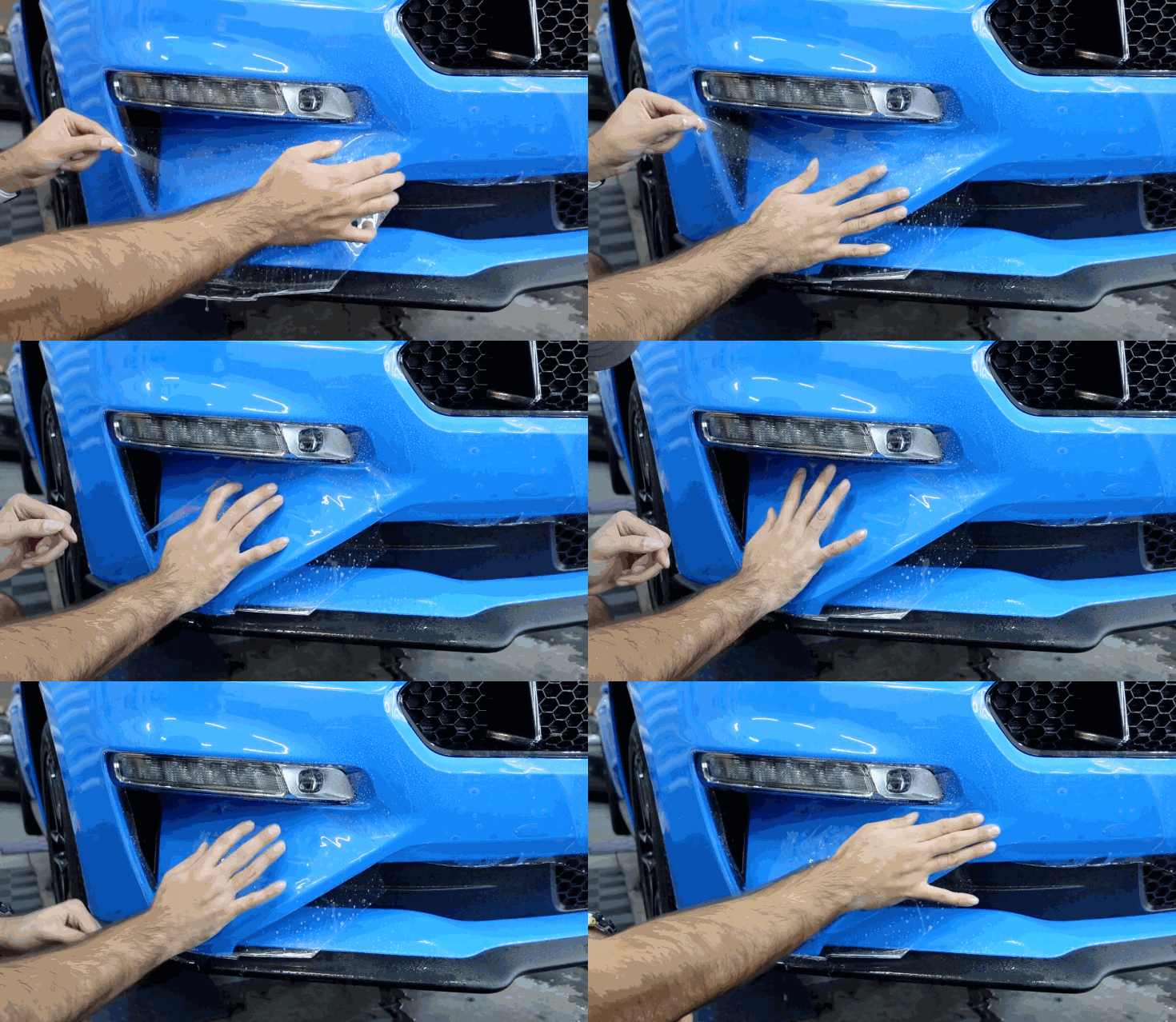
For many drivers, yes, full front coverage provides an excellent balance between protection and investment. However, the right amount of protection ultimately depends on how the vehicle is used.
A typical full front PPF package protects the surfaces most vulnerable to daily road exposure. Since those panels absorb the majority of impacts, many owners find that protecting them delivers substantial long-term benefits without extending coverage to every painted surface.
How Do Driving Habits Affect the Right Time for PPF Installation?
Drivers with higher mileage and more highway exposure generally benefit from earlier protection because their vehicles accumulate paint damage more quickly than vehicles driven less frequently.
The first few months of ownership can look very different depending on how a vehicle is used. A weekend vehicle that spends most of its time in a garage experiences far less exposure than a commuter traveling hundreds of miles every week.
Factors That Influence Protection Timing
- Annual mileage
- Highway versus local driving
- Outdoor versus indoor parking
- Planned ownership length
- Daily commuting frequency
A Southampton driver regularly traveling Route 1 or I-95 may encounter far more opportunities for paint damage than someone using their vehicle only occasionally. Similarly, vehicles parked outdoors every day face additional environmental exposure compared to vehicles stored indoors.
At XP Automotive Restyling, we often recommend evaluating driving habits before deciding when and how much protection to install. Daily driver protection strategies are usually different from those designed for occasional-use vehicles. The more exposure a vehicle experiences, the greater the potential value of early long term paint protection and vehicle paint protection planning.
Conclusion: Protect New Paint Before Damage Has a Chance to Start
Installing Paint Protection Film soon after purchasing a vehicle typically provides the greatest protection benefits because it allows the film to preserve factory paint before significant wear occurs.
Throughout the ownership experience, paint faces constant exposure to debris, contaminants, UV radiation, and everyday driving conditions. Once damage appears, preserving the original finish becomes more difficult and often requires additional correction work before protection can be applied.
That is why timing matters. Early installation, proper paint preparation, and professional workmanship all contribute to the long-term effectiveness of Paint Protection Film. Protecting paint while it is still in excellent condition gives owners the best opportunity to maintain the appearance of their vehicle for years to come.
At XP Automotive Restyling, we help Southampton drivers evaluate coverage options, inspect paint condition, and determine the right protection strategy for their vehicles. Whether you’re considering front-end coverage or a more comprehensive solution, our team is here to help.
Contact XP Automotive Restyling today to learn more about Paint Protection Film services in Southampton, PA. Schedule a consultation, discuss your protection goals, and let us help you keep your new vehicle looking its best from day one.
XP Automotive Restyling - PPF, Window Tinting, Ceramic Coatings