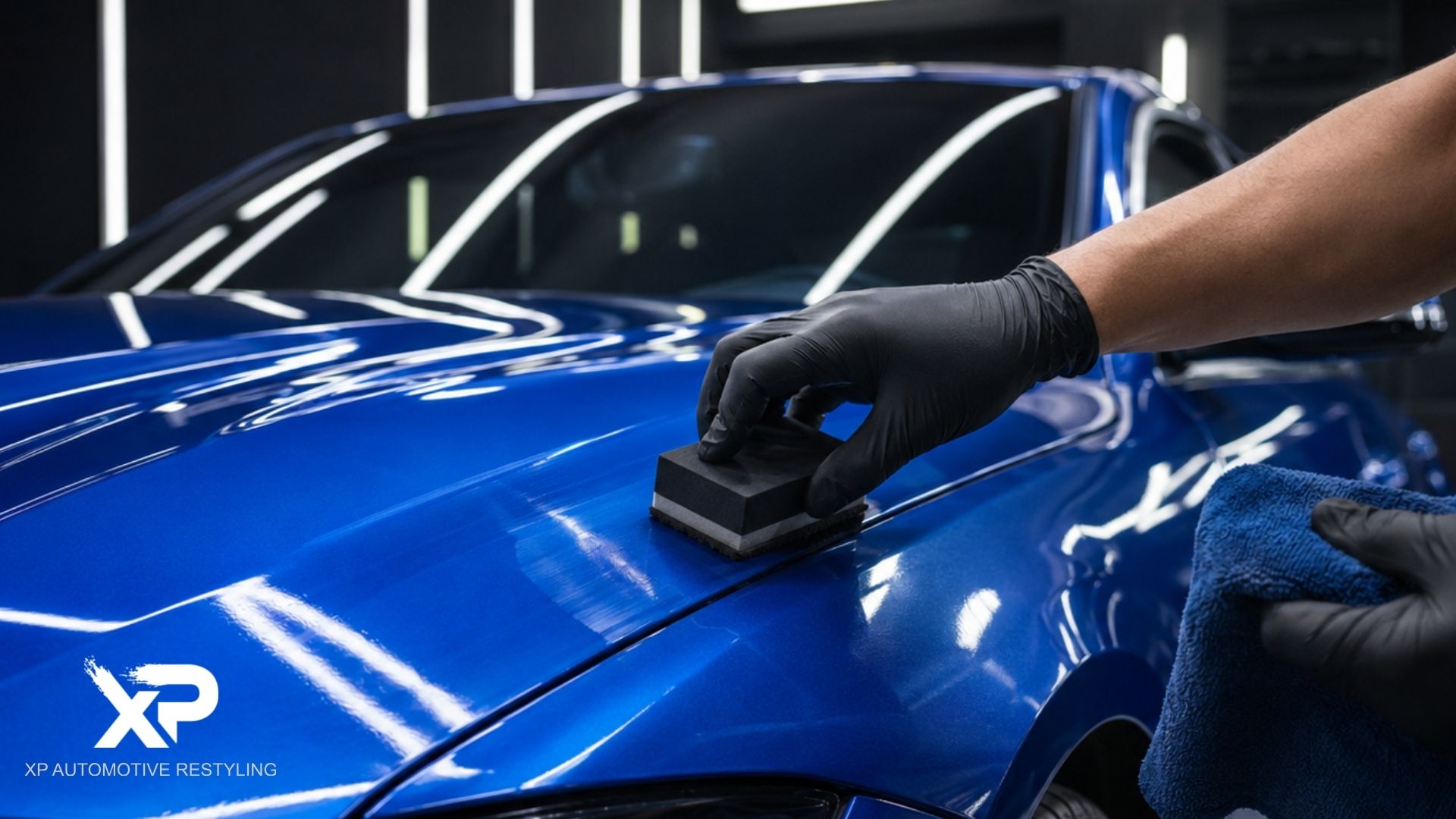
Ceramic coating helps a daily-driven vehicle stay cleaner between washes by creating a slick, hydrophobic surface that reduces how strongly water, dirt, road grime, and other contaminants cling to the paint. A professional ceramic coating application provides hydrophobic paint protection that simplifies cleaning, but it does not prevent dirt buildup or eliminate regular washing.
Why Keeping a Daily Driver Clean Is Different From Keeping a Weekend Car Clean
Daily drivers accumulate contaminants faster because they spend more time on the road and have fewer opportunities to stay clean between washes. A vehicle used five or six days a week simply experiences more road spray, dust, pollen, insects, and environmental exposure than a car that spends most of its time in a garage.
Around Doylestown, that exposure can come from routine travel on Route 202 and Route 611, commuting throughout Bucks County, running errands, and leaving the vehicle outdoors at work or home. Pennsylvania weather adds another variable. Rain can leave the lower body covered in traffic film, spring brings heavy pollen, and colder months introduce their own mixture of wet roads and grime.
For a commuter, the practical value of ceramic coating isn’t having a spotless vehicle every moment of the week. That’s not realistic for something being driven every day. The real advantage is making the inevitable buildup easier to manage when wash day arrives.
That distinction is important when we talk about daily driver paint protection. Good Doylestown car care should make ownership more manageable, not create an unrealistic expectation that a working vehicle should always look freshly detailed.
How Does Ceramic Coating Help Your Car Stay Cleaner Between Washes?
Ceramic coating creates a slick, hydrophobic surface that reduces how strongly water and many everyday contaminants adhere to automotive paint. Dirt still reaches the vehicle, but it generally has a more difficult time bonding as stubbornly to a properly coated surface.
The easiest way to notice the difference is through water behavior. On untreated paint, water can spread across the surface and remain there. A hydrophobic ceramic coating encourages water to form beads and move across the finish more readily. During a wash, that same surface behavior helps loosen and carry away some of the material sitting on top of the coating.
There are a few practical effects owners tend to notice:
- Water beads and evacuates the surface more readily.
- Loose dirt and dust are generally easier to rinse away.
- Bug residue and road grime can require less effort to remove when addressed properly.
- Drying and routine washing can become more manageable.
At XP Automotive Restyling, we prefer to keep the expectations around these ceramic coating benefits realistic. “Stays cleaner” doesn’t mean your car somehow repels every particle it encounters. After several rainy commutes through Bucks County, a coated car will still look dirty.
What changes is how you deal with that dirt. Easier vehicle maintenance is one of the most useful advantages for a daily driver because the benefit becomes apparent repeatedly, not just when the coating is first applied.
What Happens to Road Grime on a Ceramic-Coated Vehicle?
Road grime still collects on a ceramic coated car, but a quality coating can make that buildup less stubborn when the vehicle is properly washed. The difference becomes especially noticeable on the portions of a daily driver that constantly interact with water, dirty pavement, and spray from surrounding traffic.
Look at the lower half of a vehicle after a wet commute around Doylestown. The upper panels may appear reasonably clean while the rocker areas and lower doors carry a visible film of dirt. The rear bumper can become particularly dirty because airflow around the vehicle deposits grime across the back end.
These areas are where the maintenance benefits of a coating become useful. The coating provides a slicker surface between the contamination and the clear coat, so road film can release more readily instead of becoming as stubbornly attached to the finish.
That doesn’t make ceramic coating literal road grime protection in the sense of blocking dirty water from reaching the car. Its role is to make the aftermath easier to handle. For owners who commute regularly throughout Bucks County, that distinction can save effort every time the vehicle is cleaned.
Consistent washing remains an important part of vehicle paint maintenance. The advantage is that cleaning a protected surface can be considerably more manageable than repeatedly dealing with contamination that has bonded directly to an unprotected finish.
Does Ceramic Coating Help With Pollen, Bugs, Bird Droppings, and Tree Sap?
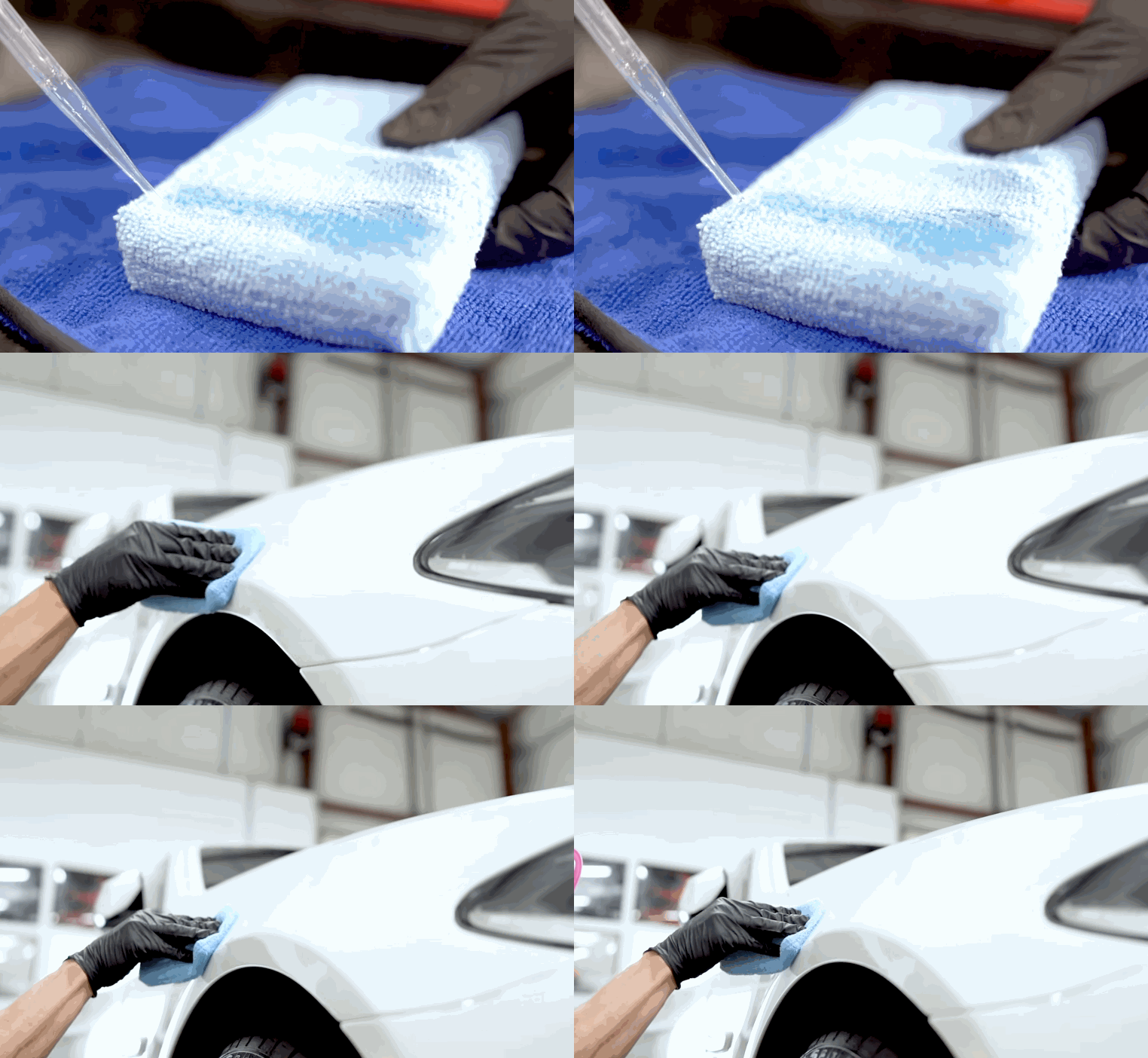
Ceramic coating provides an additional protective surface against common environmental contaminants and can make many of them easier to remove, but pollen, insects, bird droppings, and tree sap should still be addressed appropriately. The coating creates separation from the clear coat, not immunity from contamination or chemical damage.
Pennsylvania drivers encounter different challenges throughout the year, and each contaminant behaves differently.
Pollen can blanket a parked vehicle during peak seasons. Although it may look harmless, repeatedly rubbing a dusty surface isn’t a good cleaning strategy. A coated finish makes safe washing and rinsing easier when pollen accumulation becomes heavy.
Bug residue becomes particularly relevant after higher-speed travel. Insects can dry onto bumpers, mirror caps, and other forward-facing surfaces, so removing the residue before it sits for extended periods remains good practice.
Bird droppings deserve prompt attention because their chemical composition can affect automotive finishes. Ceramic coating protection adds a sacrificial surface between the contamination and the clear coat, but leaving droppings on the vehicle indefinitely can still create problems.
Tree sap can also become stubborn, particularly for vehicles regularly parked beneath trees. The coating may help make removal easier, but sap should still be cleaned using appropriate products and techniques rather than aggressively scrubbed away.
This is the practical meaning of environmental contaminant protection. Ceramic coating gives the factory finish an additional layer of defense and makes many contaminants easier to manage, but it should never be presented as a guarantee against etching or permanent damage under every circumstance.
For daily-driven vehicles, effective automotive paint protection is ultimately a combination of the coating and responsible maintenance. The coating gives you a better surface to maintain, while timely cleaning helps that protection continue doing its job.
Why Does Water Beading Matter Between Car Washes?
Water beading is a visible sign of hydrophobic behavior, but its real value is that water can evacuate a coated surface more readily. The tight beads people associate with water beading ceramic coating look impressive, yet the maintenance benefits behind that behavior matter more for a daily-driven vehicle.
When a coating reduces the surface tension between water and the finish, rain and rinse water tend to gather rather than spread as freely across the paint. As water moves, it can carry some loose dust and contamination with it. This contributes to the easier cleaning associated with hydrophobic paint protection.
There is an important limitation, though. Water beads are not automatically harmless. If water contains minerals and those droplets dry on the vehicle, deposits can remain behind. Ceramic coating can help with maintenance, but it does not make paint immune to water spots.
That’s why we still recommend sensible drying and washing habits at XP Automotive Restyling. A rainstorm isn’t a substitute for washing the car, and leaving mineral-rich water to bake onto the finish isn’t ideal simply because the paint is coated.
Good ceramic coating maintenance means taking advantage of hydrophobic behavior without assuming the coating can handle unlimited neglect. The beading is easy to notice, but easier cleanup and more manageable routine care are the benefits that matter over months and years.
Can Ceramic Coating Reduce How Often You Need a Full Detail?
Ceramic coating can reduce how much intensive cleaning a well-maintained daily driver needs, but it does not replace detailing or proper washing altogether. By making contamination less likely to bond aggressively to the surface, the coating can help prevent routine dirt from turning into a more involved cleaning job.
The distinction between washing and detailing matters here. A maintenance wash removes ordinary dirt, road film, and surface contamination. Deeper detailing may involve chemical or mechanical decontamination, polishing, paint correction, or other processes intended to address problems that ordinary washing cannot resolve.
A coated vehicle that is washed correctly and consistently may be easier to keep at a satisfying standard without repeatedly resorting to those more intensive procedures. This is particularly useful for a daily driver because the goal isn’t to chase perfection after every commute. It’s to prevent everyday use from making the finish progressively harder to maintain.
However, car detailing maintenance can still have a place in long-term ownership. Contamination may eventually accumulate, hydrophobic behavior can become less noticeable when the surface is dirty, and periodic professional inspection may be beneficial.
Rather than assigning a specific number of details per year, we prefer to think of ceramic coating maintenance as a way to make long-term paint care more predictable. Properly maintained protection can reduce unnecessary corrective work while keeping routine cleaning relatively straightforward.
What Should You Do Between Washes on a Ceramic-Coated Daily Driver?
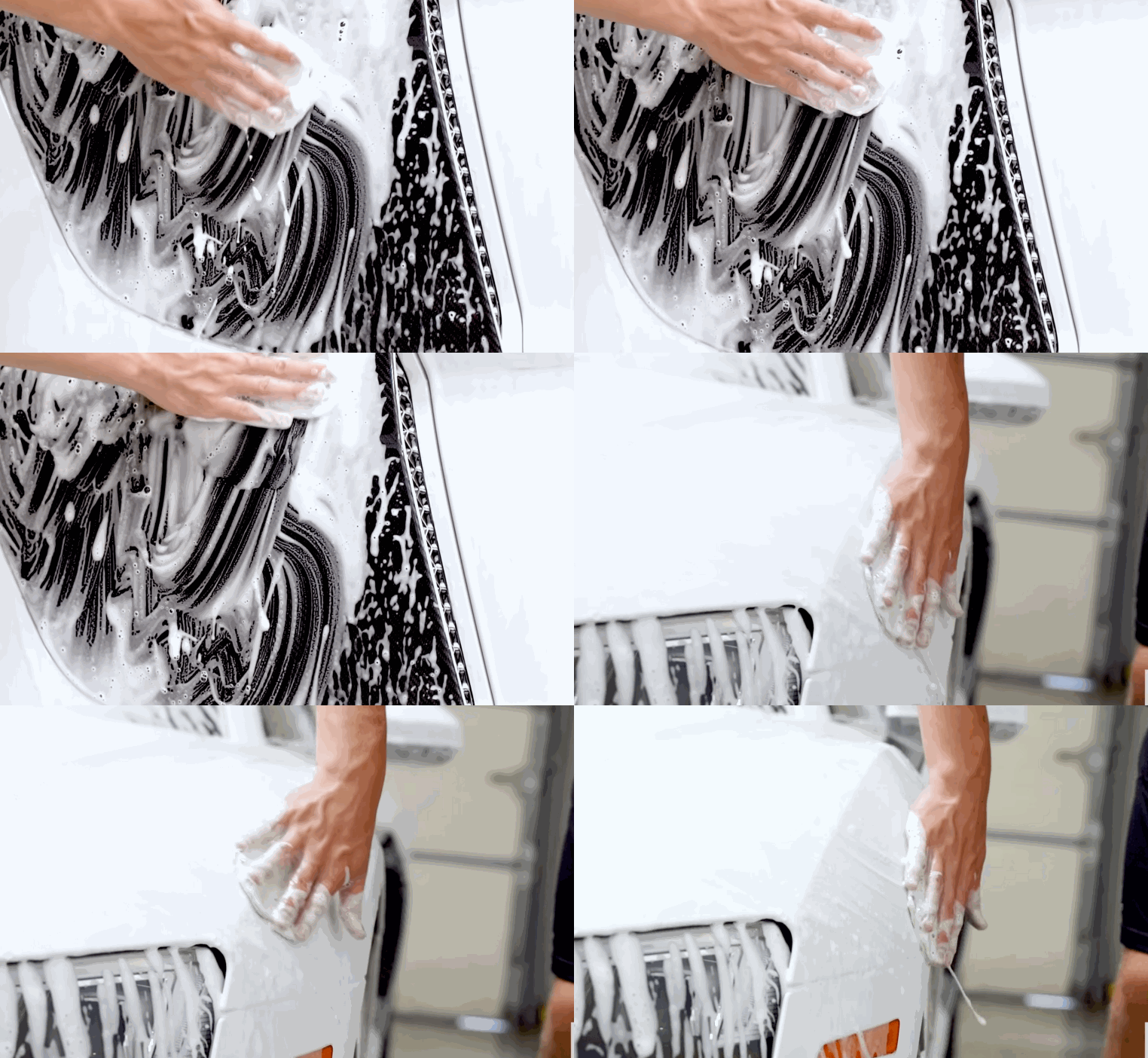
Between washes, owners should avoid unnecessarily wiping dry or visibly dirty paint and should address potentially harmful contamination appropriately. Ceramic coating care works best when the coating is treated as protection that supports good maintenance habits, not permission to ignore what lands on the vehicle.
A few simple habits can make a meaningful difference:
- Address bird droppings promptly. Don’t allow aggressive organic contamination to remain on the finish longer than necessary.
- Remove bug residue appropriately. Dried insects can become more difficult to clean when left on front-facing surfaces for extended periods.
- Use suitable automotive products. Harsh household chemicals and unnecessarily aggressive cleaners can work against proper coated vehicle maintenance.
- Use clean microfiber when contact is necessary. Dragging a dirty or inappropriate towel across the finish can introduce avoidable marks.
- Don’t dry-wipe a dusty vehicle. Even when paint is coated, rubbing loose contamination across the surface is an unnecessary risk.
You also don’t need to intervene every time a little dust appears. Constantly touching the vehicle can be counterproductive, particularly when there isn’t enough lubrication to safely lift contamination away.
The objective when you maintain ceramic coating is fairly simple: remove potentially harmful contamination when necessary, wash safely, and avoid abrasive shortcuts. Those habits help preserve both the coating’s appearance and the hydrophobic characteristics that make daily ownership easier in the first place.
How Does Professional Ceramic Coating Application Affect Everyday Performance?
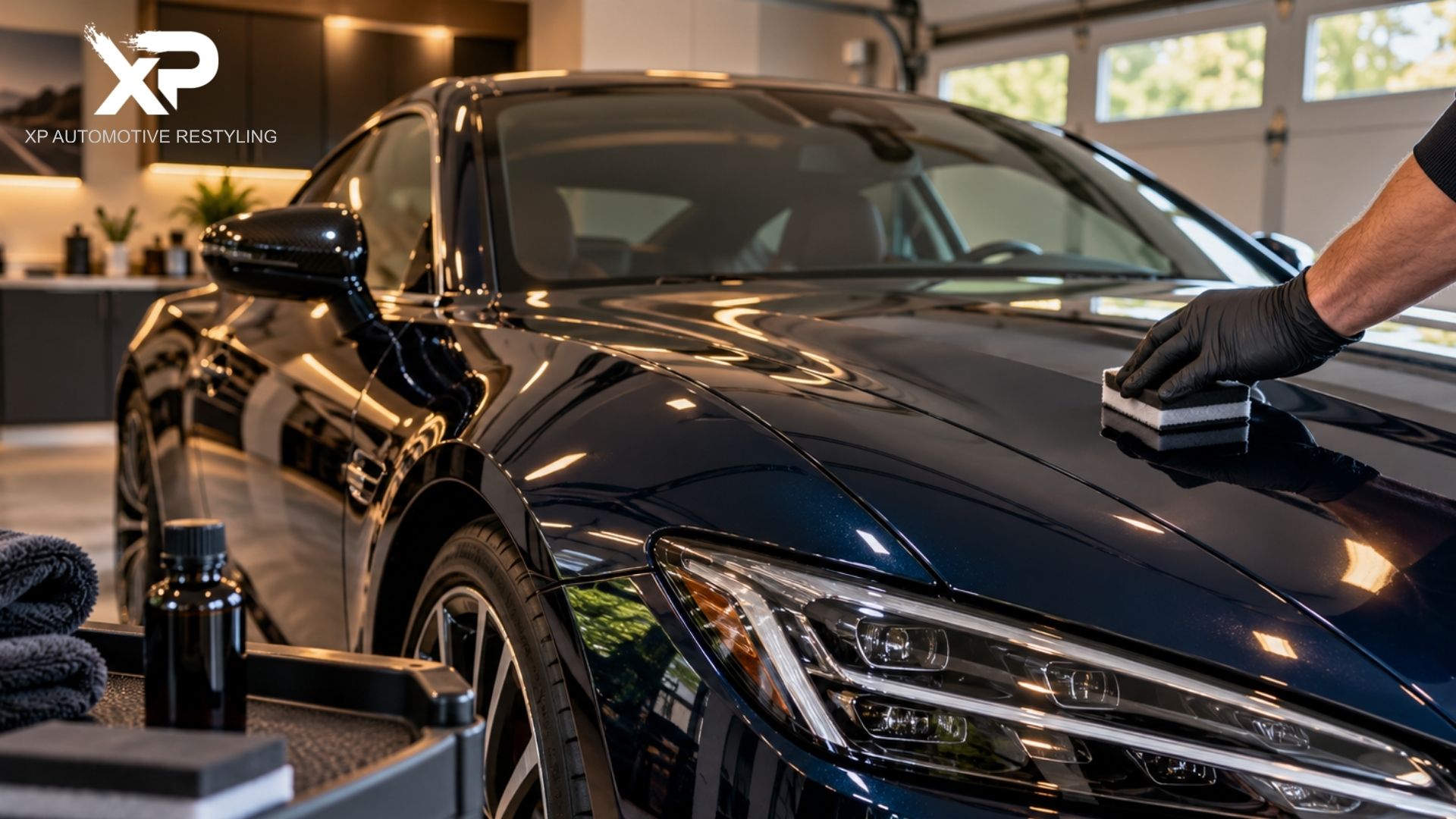
Proper preparation and ceramic coating application are essential for achieving the coating’s intended bonding, appearance, and maintenance benefits. Applying a quality coating to a poorly prepared surface can compromise the result before the vehicle ever returns to regular driving.
Preparation is especially important with daily drivers. Months or years of commuting can leave behind bonded contamination, water deposits, swirl marks, and other imperfections that an ordinary wash doesn’t necessarily remove.
A professional process typically moves through several distinct stages:
- Washing: Loose dirt and surface grime are thoroughly removed.
- Decontamination: Embedded contaminants are addressed so the paint provides a clean foundation.
- Paint inspection: The finish is evaluated for scratches, swirls, oxidation, water spots, and other defects.
- Paint correction when appropriate: Imperfections can be reduced before they are effectively preserved beneath the coating.
- Surface preparation: Residue is removed so the coating can bond correctly with the prepared finish.
- Controlled application and curing: The coating is applied methodically and given the appropriate conditions to begin curing.
One misconception worth clearing up is that ceramic coating repairs paint. It doesn’t. If scratches or swirl marks are present beforehand, coating over them does not make them disappear. Proper paint preparation determines what condition is being protected.
At XP Automotive Restyling, that preparation is a fundamental part of a professional ceramic coating service. The application itself matters, but so does everything that happens before and immediately afterward. Careful preparation and controlled curing give the coating the foundation it needs to deliver the appearance and easier maintenance owners expect.
Conclusion: Spend Less Effort Fighting the Dirt Between Washes
Ceramic coating helps a daily-driven vehicle remain more manageable between washes by reducing how strongly water, road grime, and many everyday contaminants adhere to the finish. It doesn’t stop a Doylestown commuter from getting dirty, but it can make dealing with that dirt noticeably easier.
That’s where ceramic coating makes practical sense for many daily drivers. The benefit isn’t limited to gloss or dramatic water beading. It’s being able to maintain a vehicle that regularly sees Route 202, Route 611, Bucks County traffic, changing Pennsylvania weather, and outdoor exposure without every wash becoming an intensive detailing session.
Long-term results still depend on the complete process. Proper surface preparation, quality products, responsible aftercare, and professional ceramic coating application all contribute to how the coating looks and performs over time.
At XP Automotive Restyling, we help Doylestown drivers choose ceramic coating based on how they actually use and maintain their vehicles. Contact our team to schedule a consultation and discuss whether ceramic coating is the right way to make caring for your daily driver simpler.
XP Automotive Restyling - PPF, Window Tinting, Ceramic Coatings