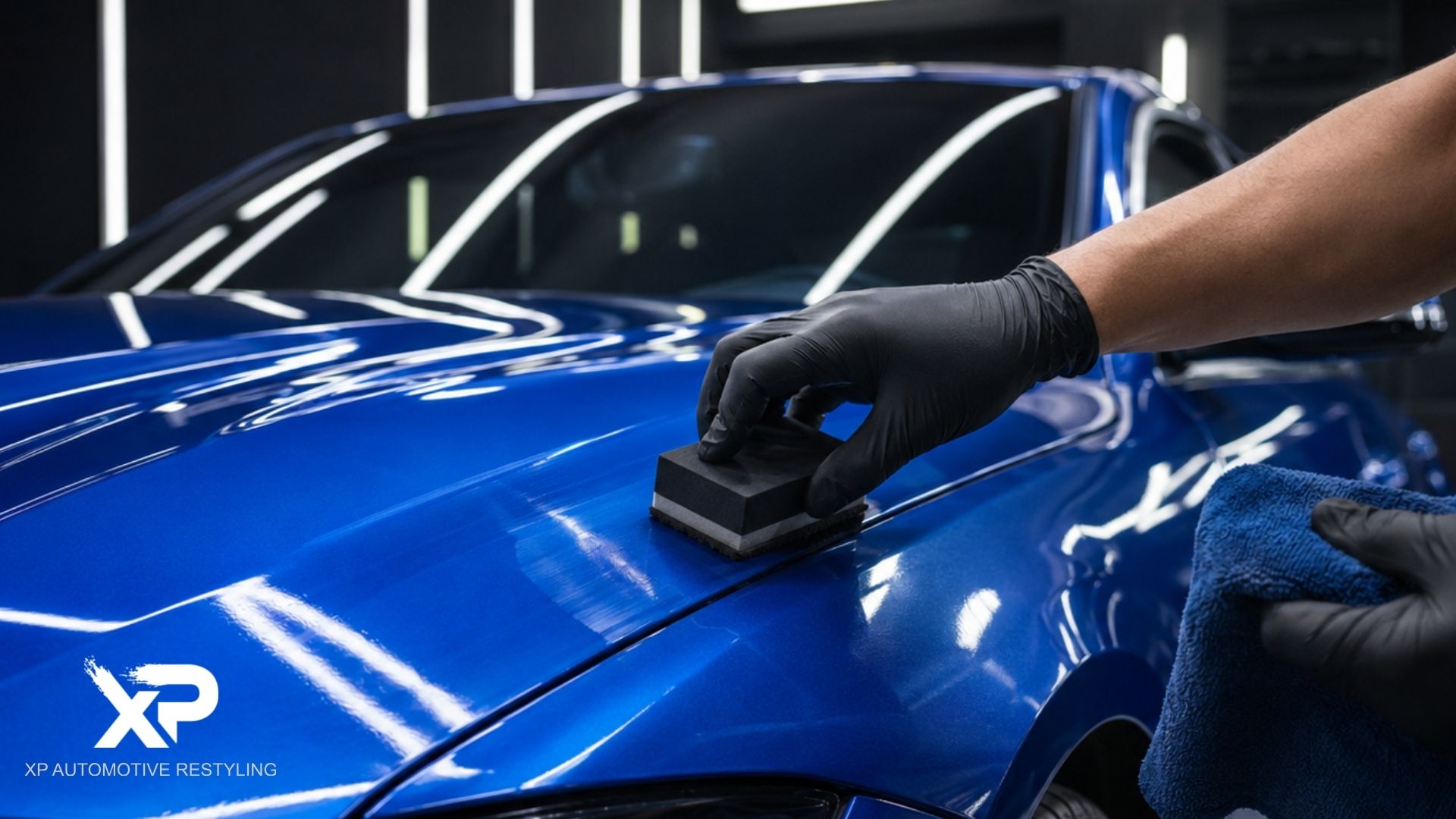
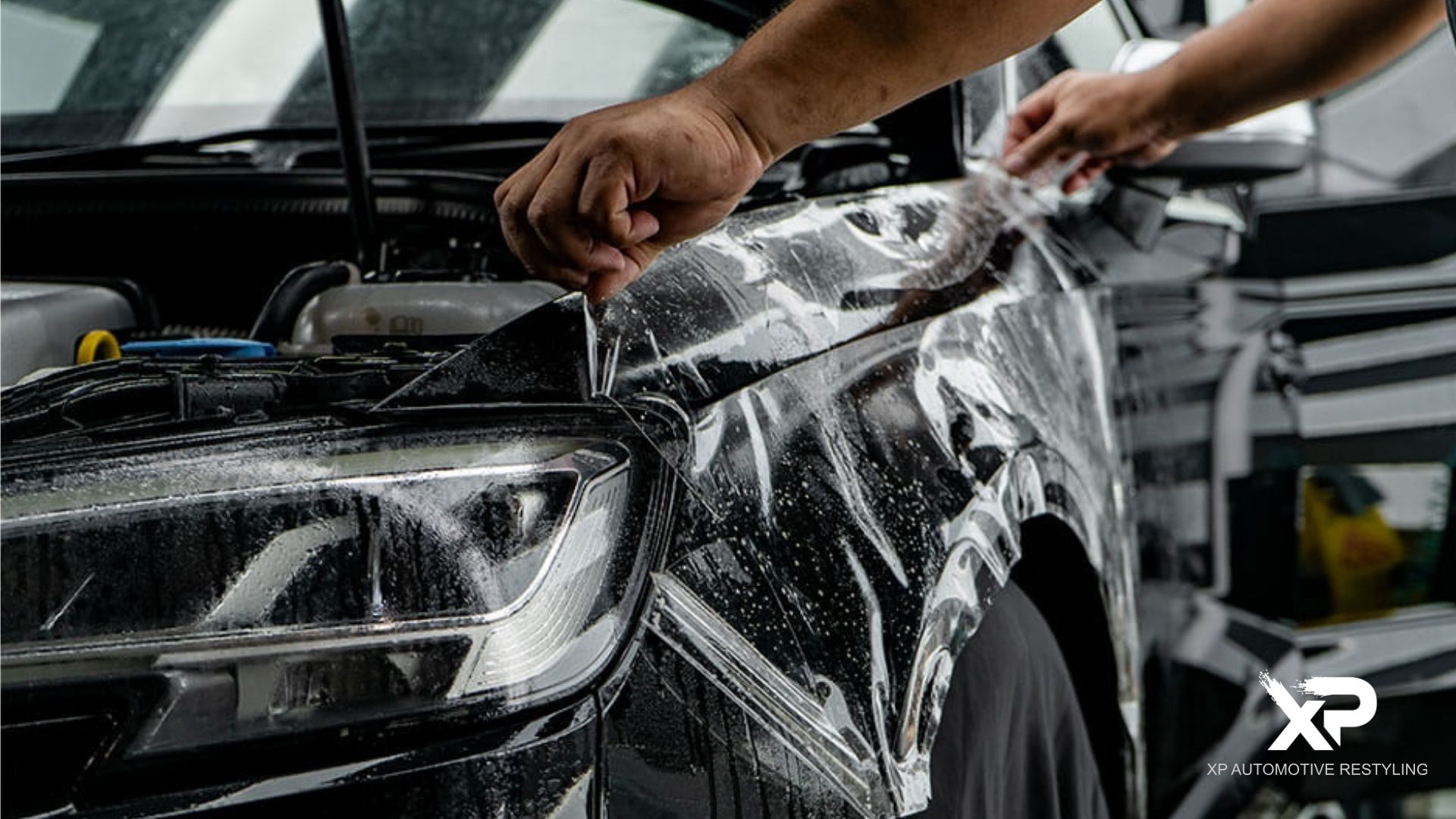
By mid-summer in Pennsylvania, it’s common to see vehicles baking for hours in office parking lots, train stations, shopping centers, and open driveways. The combination of humidity, strong UV exposure, and long daylight hours creates conditions that slowly wear down exterior surfaces, especially for vehicles that spend most of their time outdoors.
Daily driving around Pennsylvania adds another layer of stress. Highways like I-76, Route 1, and the Pennsylvania Turnpike expose vehicles to constant sun, road debris, and heat reflecting off the pavement. Even short commutes can add up over time when your paint is facing direct exposure almost every day.
That’s one of the reasons paint protection film has become such a practical upgrade for drivers who want more than just appearance enhancement. In real-world conditions, vehicle paint protection in Pennsylvania is about reducing long-term wear before it turns into fading, staining, or permanent surface damage. For many of us on the XP Automotive Restyling team, summer car protection is less about keeping a car “perfect” and more about preserving the finish you already invested in.
How Heat and UV Exposure Affect Vehicle Paint Over Time
Paint damage usually happens gradually, which is why many drivers don’t notice it until the vehicle starts looking noticeably older than it should. Heat and UV exposure work slowly, but consistently, especially during long Pennsylvania summers where vehicles experience repeated cycles of direct sunlight, humidity, rain, and temperature changes.
What Constant Sun Exposure Does to Automotive Paint
- UV damage car paint can lead to oxidation, causing surfaces to lose depth and shine over time
- Clear coat deterioration often starts subtly before becoming visible through fading or dull spots
- Heat exposure can intensify staining from bug splatter, bird droppings, and environmental contaminants
- Seasonal exposure throughout Pennsylvania accelerates long-term surface wear compared to garage-kept vehicles
One of the biggest misconceptions we hear is that modern factory paint can simply “handle it all” indefinitely. The reality is that even high-end paint systems slowly break down under constant environmental exposure. That’s why automotive paint protection becomes less about appearance alone and more about preserving the condition of the vehicle long-term.
Does Paint Protection Film Actually Hold Up in High Heat?
A lot of people still picture paint protection film as something delicate or temporary, but modern materials are built very differently than they were years ago. Today’s high-quality films are specifically engineered to withstand heat, UV exposure, and the kind of environmental stress Pennsylvania vehicles deal with every summer.
Modern PPF Is Designed for Real Driving Conditions
Heat resistant paint protection film uses advanced top layers that help the material maintain both flexibility and clarity even during extended sun exposure. Instead of drying out or becoming brittle, premium films are designed to remain stable through changing temperatures.
Another major improvement is self healing PPF technology. Minor surface marks and swirl patterns can often disappear when exposed to heat, helping the film maintain a cleaner appearance over time without constant correction work.
At XP Automotive Restyling, we’ve seen firsthand how much better modern PPF durability has become compared to older generations of film. When quality materials are paired with proper PPF installation, the film can continue performing consistently through Pennsylvania summers without yellowing, peeling, or losing adhesion prematurely.
Why Installation Quality Matters Just as Much as the Film
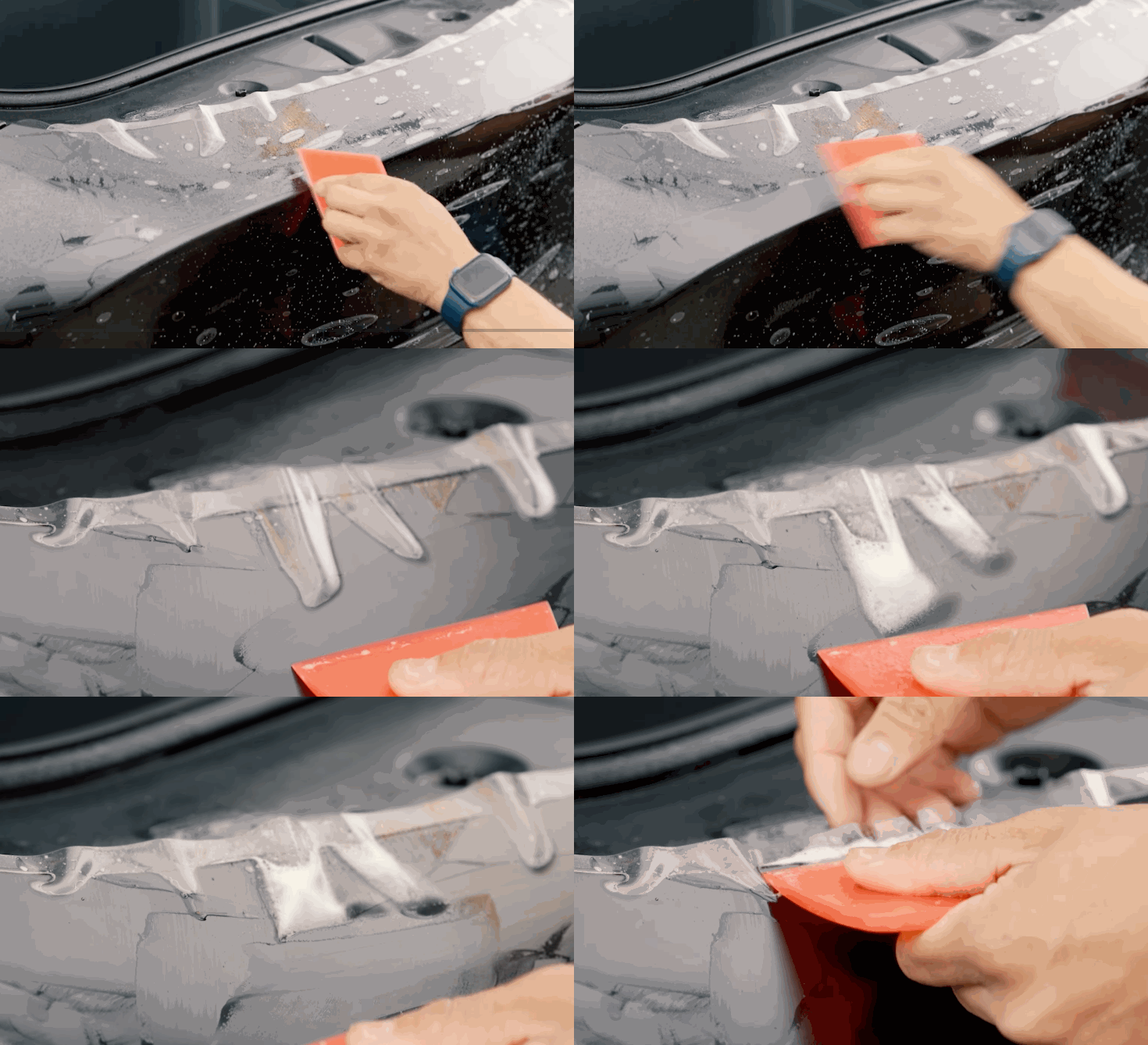
Even the best paint protection film can underperform if the installation process isn’t handled correctly. A clean-looking result depends just as much on preparation and technique as it does on the material itself.
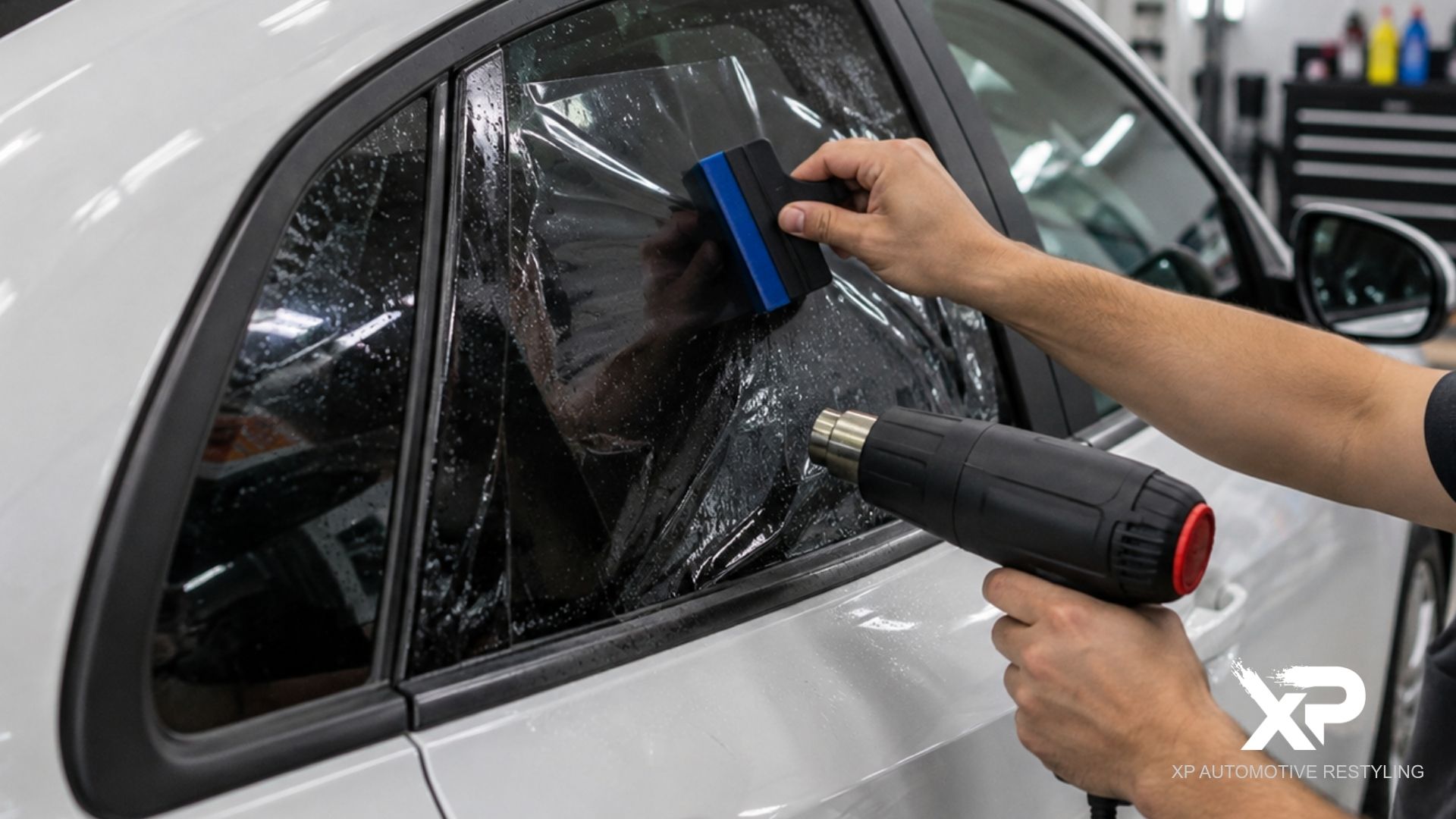
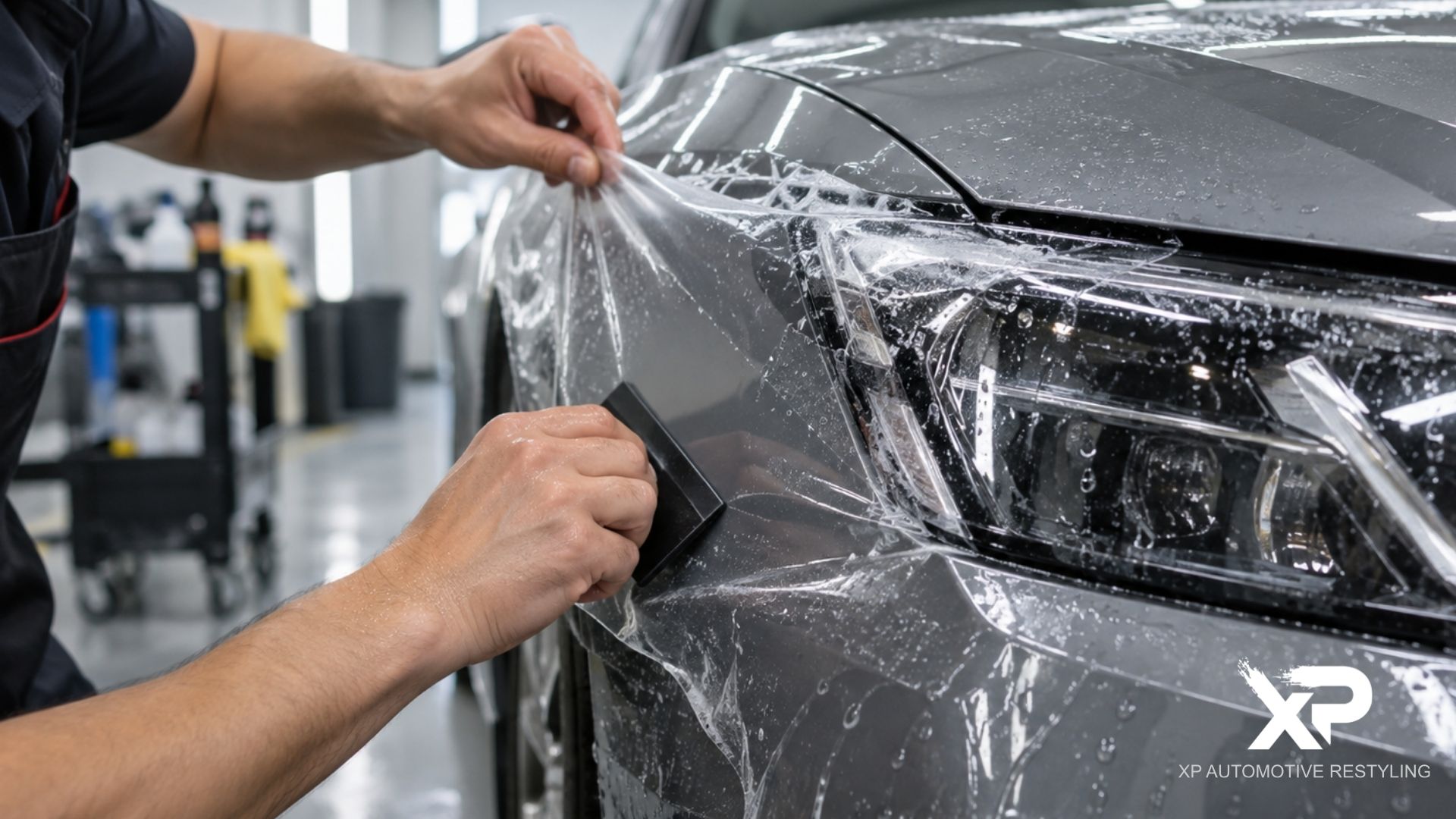
Professional paint protection film installation involves far more than simply laying film onto painted panels. Before installation even begins, the surface has to be properly cleaned and corrected to prevent contamination from being trapped underneath. Edge alignment also matters because poorly wrapped edges are usually the first place where lifting or peeling begins.
Here’s where poor installation tends to create problems:
- Trapped debris creating visible imperfections under the film
- Improper curing leading to edge lifting over time
- Uneven alignment that affects both appearance and protection coverage
- Premature peeling caused by rushed installation methods
Clear bra installation is one of those services where attention to detail completely changes the outcome. A properly installed film should look almost invisible once cured, while still providing consistent protection across high-impact areas.
The Difference Between Cheap Film and Premium Paint Protection Film
Not all paint protection film performs the same once it spends months exposed to sun, heat, and daily driving conditions. On the surface, lower-end film may appear similar at first, but long-term performance is usually where the differences become obvious.
What Premium Film Typically Does Better
- Better resistance to yellowing caused by prolonged UV exposure
- Improved gloss retention that helps the paint maintain a cleaner appearance
- Stronger self-healing performance for light scratches and swirl marks
- More reliable long term paint protection under changing weather conditions
Lower-cost films often struggle once they’ve been exposed to repeated summer heat cycles. Some begin to discolor, lose clarity, or dry out faster than expected, especially on vehicles parked outdoors regularly throughout Pennsylvania.
Premium paint protection film tends to maintain its appearance and flexibility much longer, which is why many drivers ultimately view it as a better value over time. Clear bra protection works best when the material is built to handle the environment it’s being exposed to every day, not just when it’s brand new.
Pennsylvania Driving Conditions That Make PPF Worth Considering
Driving in Pennsylvania exposes vehicles to a surprisingly wide range of surface hazards throughout the year, but summer tends to intensify many of them. Longer road trips, active construction zones, increased highway traffic, and constant bug impact all create daily wear that slowly adds up across the front end of a vehicle.
Anyone spending time on roads like I-95, Route 202, or the Pennsylvania Turnpike has probably noticed how quickly debris accumulates during summer driving. Gravel kicked up by trucks, loose construction material, and even dried insect residue can become abrasive against exposed paint surfaces.
Everyday Conditions That Put Stress on Vehicle Paint
- Highway debris constantly impacting bumpers, hoods, and mirror caps
- Construction zones throwing gravel and dust against painted panels
- Bug splatter sitting on hot paint surfaces during long summer drives
- Frequent outdoor parking exposing vehicles to prolonged UV and environmental exposure
This is where vehicle protection film starts making practical sense beyond aesthetics alone. Paint protection film creates a sacrificial layer that absorbs much of the daily abuse that would otherwise hit the paint directly. At XP Automotive Restyling, many of the drivers we work with are simply trying to reduce long-term wear from real Pennsylvania driving conditions, not keep their cars hidden in garages.
Common Misunderstandings About Paint Protection Film
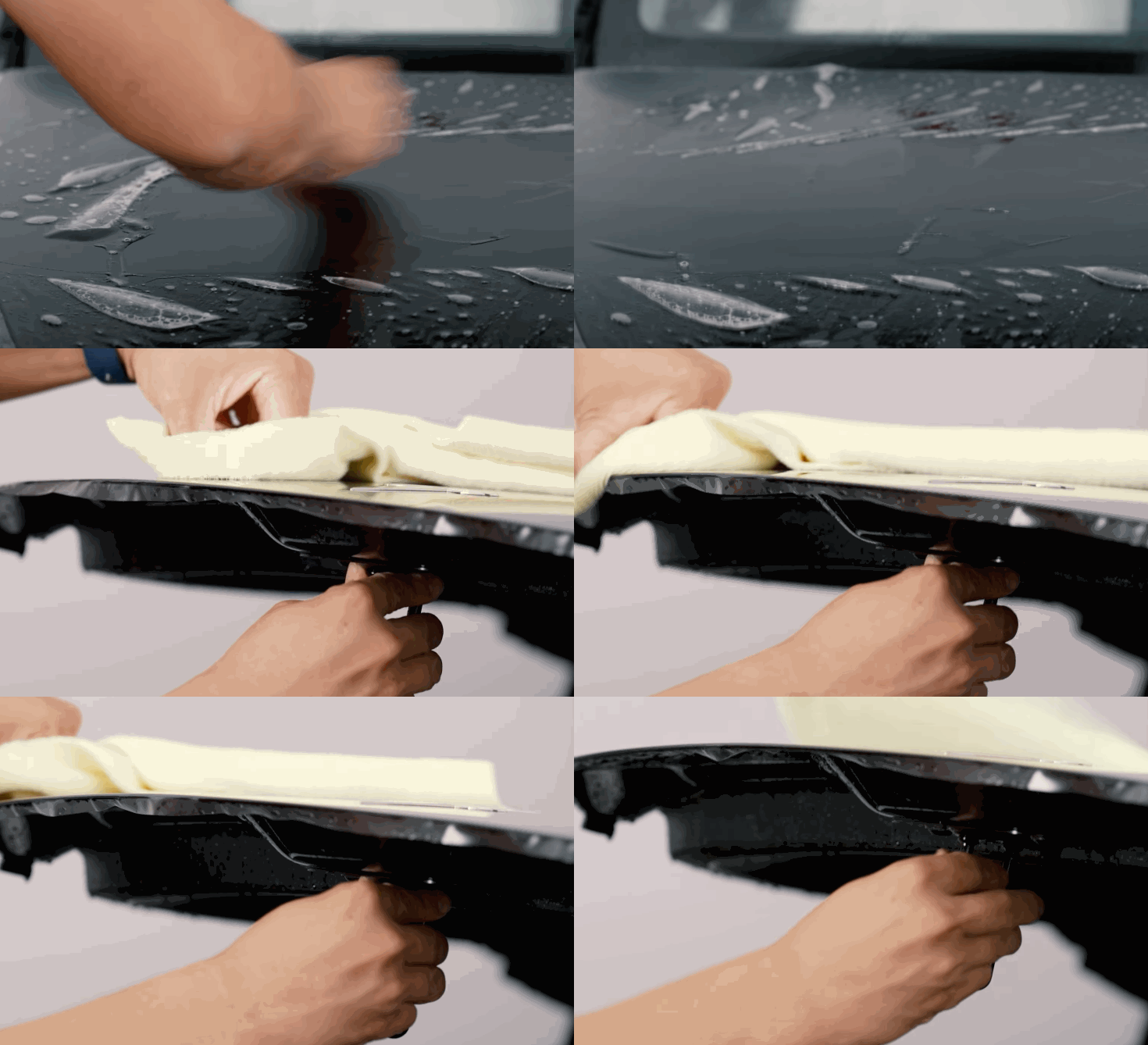
A lot of opinions surrounding PPF still come from experiences people had with older-generation films years ago. The technology has evolved significantly, but many paint protection film myths continue circulating even though modern products perform very differently today.
One of the biggest misconceptions is that PPF always looks thick or overly noticeable. Modern paint protection film is dramatically clearer than earlier generations and is designed to blend much more naturally with factory paint finishes.
Another misunderstanding is that PPF is only temporary. In reality, today’s premium films are engineered for long-term use and are specifically designed to withstand heat, UV exposure, and regular driving conditions over extended periods.
There’s also the assumption that all products perform equally, which simply isn’t true. Different films react differently under prolonged sunlight and changing temperatures, especially during humid Pennsylvania summers. Some maintain gloss and clarity far better than others.
At the same time, PPF maintenance still matters. Even high-quality film benefits from proper care, regular cleaning, and removing contaminants before they sit too long on the surface. Paint protection film works best when it’s treated as an active part of maintaining the vehicle, not as something completely maintenance-free.
How to Make Paint Protection Film Last Longer in Pennsylvania
One of the advantages of modern PPF is that maintaining it doesn’t require anything overly complicated. The biggest factor is consistency. A vehicle that’s cleaned properly and inspected regularly will usually keep its film looking better for much longer, especially through Pennsylvania’s changing seasons.
Simple Habits That Help Protect PPF Long-Term
- Wash the vehicle regularly using paint-safe soaps and soft microfiber materials
- Remove bug residue, bird droppings, and road contaminants quickly during summer months
- Avoid harsh chemicals or abrasive cleaning tools that can wear down the film surface
- Schedule periodic inspections to catch lifting edges or damage early
At XP Automotive Restyling, we always remind customers that protecting the film helps protect the paint underneath. Small maintenance habits go a long way when it comes to preserving appearance and long-term performance.
Following consistent PPF care tips not only helps maintain paint protection film visually, but also allows the material to continue performing the way it was designed to under daily Pennsylvania driving conditions.
Conclusion: Protect Your Vehicle From Pennsylvania Summer Damage
Pennsylvania summers create a tough environment for automotive paint. Between UV exposure, highway debris, humidity, bug splatter, and constant outdoor driving conditions, even newer vehicles slowly accumulate wear that becomes difficult and expensive to reverse later.
Modern paint protection film is specifically designed to handle those conditions. High-quality materials combined with professional PPF installation allow the film to maintain clarity, resist heat exposure, and continue protecting vulnerable painted surfaces through everyday driving.
At XP Automotive Restyling, we’ve seen how much of a difference the right film can make over time, especially for drivers who spend a lot of time on Pennsylvania roads. Whether your goal is preserving resale value, reducing rock chips, or simply keeping your vehicle looking cleaner longer, professional paint protection film installation can make daily driving much less stressful on your paint.
If you’re considering paint protection film services in Pennsylvania, contact XP Automotive Restyling today. Our team can help you choose the right coverage and film solution for your vehicle, driving habits, and long-term protection goals.
XP Automotive Restyling - PPF, Window Tinting, Ceramic Coatings