If you’ve driven through a Pennsylvania winter, you already know it’s not just the cold that makes it tough. It’s the way the season changes everything about visibility and comfort behind the wheel. The winter sun sits low for long stretches of the day, glare bounces off snow like a mirror, and salt spray builds up fast on your glass the moment traffic picks up. Add early darkness and the way conditions shift without warning, and winter driving starts to feel like a constant test of focus.
At XP Automotive Restyling, we always look at winter driving from the driver’s perspective, not just from the vehicle’s. Winter isn’t only about traction. Tires matter, sure. But so do visibility, comfort, and how quickly you get fatigued. When you’re fighting glare, squinting through haze, and dealing with inconsistent cabin comfort, you drive more tense. Your attention gets drained faster. Even short drives can feel heavier than they should.
This is exactly why window film makes sense as a cold-weather upgrade, even for drivers who originally associate tint with summer. Most people think about it for heat and sun, but it also plays a real role in winter driving performance, particularly when it comes to glare control, visual comfort, and reducing fatigue.
In this guide, we’re focusing on how it helps with winter glare and cold-weather driving across Pennsylvania. Everything here is based on real installation outcomes and hands-on experience, not theory or generic claims.
Why Winter Glare in Pennsylvania Feels Worse Than People Expect
Winter glare isn’t just a minor inconvenience. It can affect how fast you process what’s ahead of you, how clearly you see lane markings, and how long you can drive before your eyes feel strained. And Pennsylvania tends to amplify glare because our winter conditions create the perfect environment for light to bounce around instead of staying contained.
What actually creates winter glare?
A few things combine to make winter glare more aggressive than what most drivers experience in other seasons:
- Low-angle sunlight: In winter, the sun sits lower in the sky, so it hits your eyes more directly—especially in the morning and late afternoon.
- Reflection off snow, ice, wet asphalt, and windshields: Snowbanks, icy patches, wet roads, and even the vehicles ahead of you can kick light back into your field of vision.
- Light scatter from cloudy skies and moisture in the air: That bright overcast winter sky can wash out contrast and make everything look “flat,” forcing your eyes to work harder.
Why glare tends to hit harder in Pennsylvania
Pennsylvania winters come with conditions that make glare more intense and more frequent:
- Freeze-thaw cycles create reflective road surfaces: Roads melt, refreeze, and glaze over repeatedly, creating shiny textures that reflect light instead of absorbing it.
- Salt residue adds haze: Once salt spray dries onto glass, it creates a film that spreads light and makes glare bloom. Even if you’re not facing direct sun, the overall brightness can become more aggressive.
How Window Film Reduces Glare and Improves Visual Comfort
High-quality film doesn’t just darken glass. It filters incoming light in a controlled way, smoothing out harsh brightness and helping your eyes stay more stable. That difference becomes really noticeable in winter, because winter glare isn’t steady, it spikes constantly depending on the road, the sky, and what’s around you.
What quality film does to light
When installed properly, it helps:
- Reduce excessive brightness without making visibility unsafe
- Cut harsh light spikes caused by reflective winter surfaces
That matters because your eyes aren’t meant to constantly adjust from extreme brightness to normal lighting every few seconds. Film makes the environment feel more balanced.
Cold-Weather Driving Comfort: What Film Changes Inside Your Car
A lot of winter discomfort isn’t about how cold it is outside, it’s about how inconsistent the cabin feels inside. Even with the heater running, the glass stays cold. That creates uneven comfort that most drivers just accept as normal.
Why winter cabin comfort feels uneven
The most common cold-weather comfort problems are:
- Cold side windows radiating chill into the cabin
- Uneven warmth, where heat feels trapped in some areas but not others
- Rapid heat loss through glass, especially during longer drives
This is where window film plays a role beyond what most people expect. It’s not replacing the heater, but it supports your cabin’s ability to maintain comfort, which becomes noticeable on long winter drives or when temperatures drop quickly.
What Winter Sun Has to Do With Interior Protection in Pennsylvania
A lot of drivers assume the sun stops being a concern in winter. But UV exposure doesn’t disappear when temperatures drop. In some ways, winter light can be harsher because of its low angle and the reflective environment.
The misconception: “winter sun isn’t strong”
The issue isn’t only how hot the sun feels, it’s the type and direction of exposure. Winter sun hits interiors more directly because:
- It stays low in the sky
- It comes through the glass at angles that hit dashboards and trim more aggressively
- Clear cold days can be extremely bright
From our standpoint, this is part of responsible ownership. You’re not only improving comfort and driving clarity right now, you’re also preserving the interior condition over the long run, especially if the vehicle spends a lot of time outside in full seasonal exposure.
See more about other products: check our complete guide on ceramic coating for PA car owners.
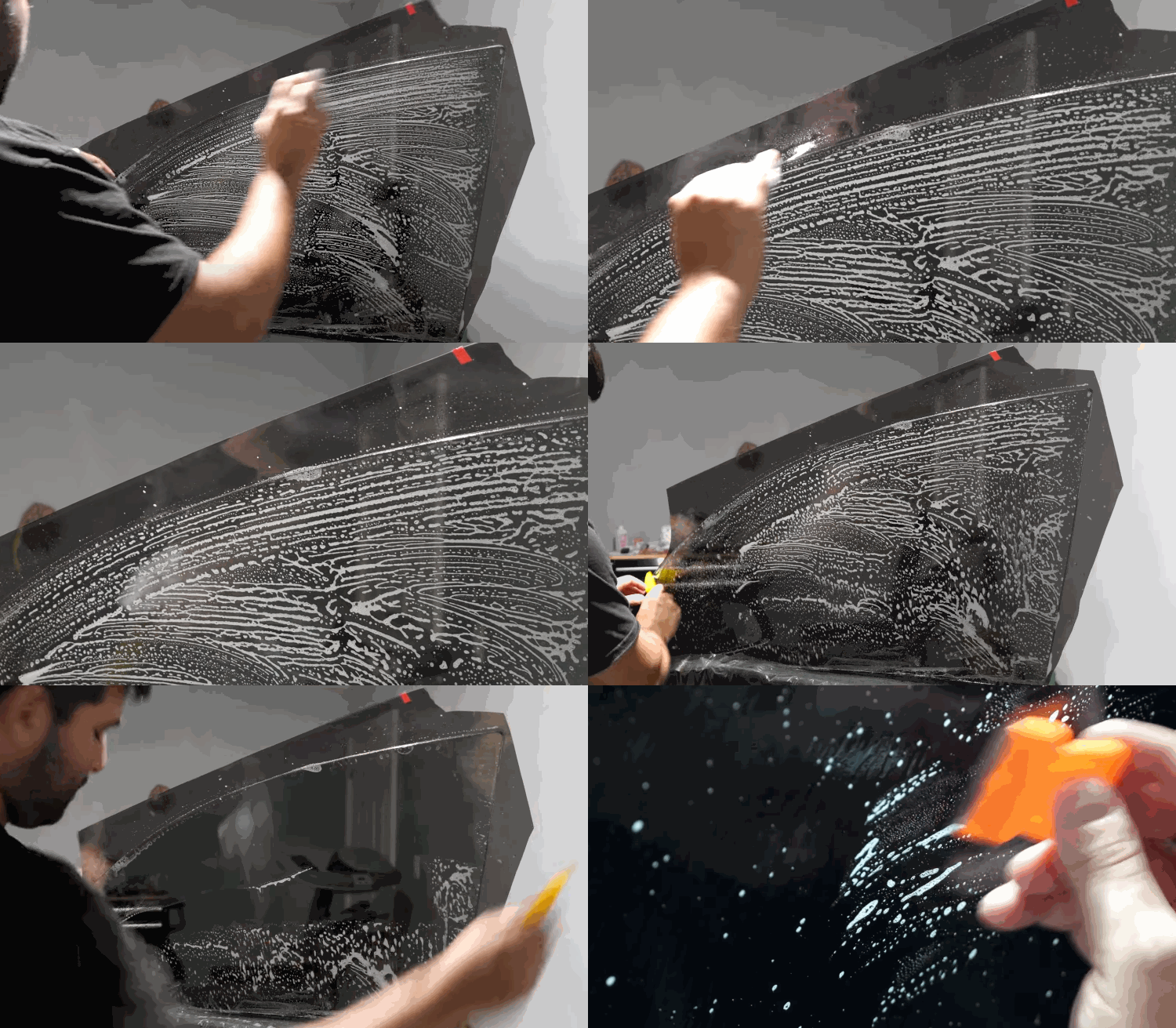
Window Tint Installation Quality Matters More in Winter Conditions
Winter is the season that exposes shortcuts fast. When conditions are cold, wet, and constantly shifting, even minor installation flaws can turn into noticeable problems. That’s why we always tell drivers that film quality matters, but window tint installation quality matters even more.
In winter, issues show up sooner because the environment is constantly working against the film. Moisture finds its way into cracks, road salt builds up along edges, and temperature swings stress the material more aggressively than in warm weather. If a film was applied with weak prep or rushed steps, you will usually see it first during cold months.
Here are some of the most common problems winter brings out when installation standards are not solid:
- Moisture intrusion that creates haziness or trapped water pockets
- Edge lifting when the glass was not properly cleaned or sealed
- Visibility distortion when low-quality film reacts poorly to cold temperatures or curing
At XP Automotive Restyling, this is exactly why we treat every install as a performance upgrade, not just an appearance upgrade. We focus heavily on quality-first installation standards because in Pennsylvania winters, durability and clarity are what matter most once the roads get wet, the salt comes out, and glare becomes part of everyday driving.
Understanding Tint Options for Pennsylvania Winter Driving
Not all tint types perform the same in winter. In fact, cold-weather driving is one of the best ways to notice the difference between entry-level film and high-performance film. The goal in winter is not simply darkening the windows. It’s improving clarity, reducing glare, and maintaining good night visibility without creating unwanted distortion.
The main types of tint fall into a few broad categories:
- Dyed film: A basic option that focuses more on appearance than performance. It can reduce brightness, but typically does not provide the same clarity or long-term stability in harsh conditions.
- Carbon film: A more stable upgrade that tends to perform more consistently over time. It’s a strong mid-range option for drivers who want better results without going all the way to premium film.
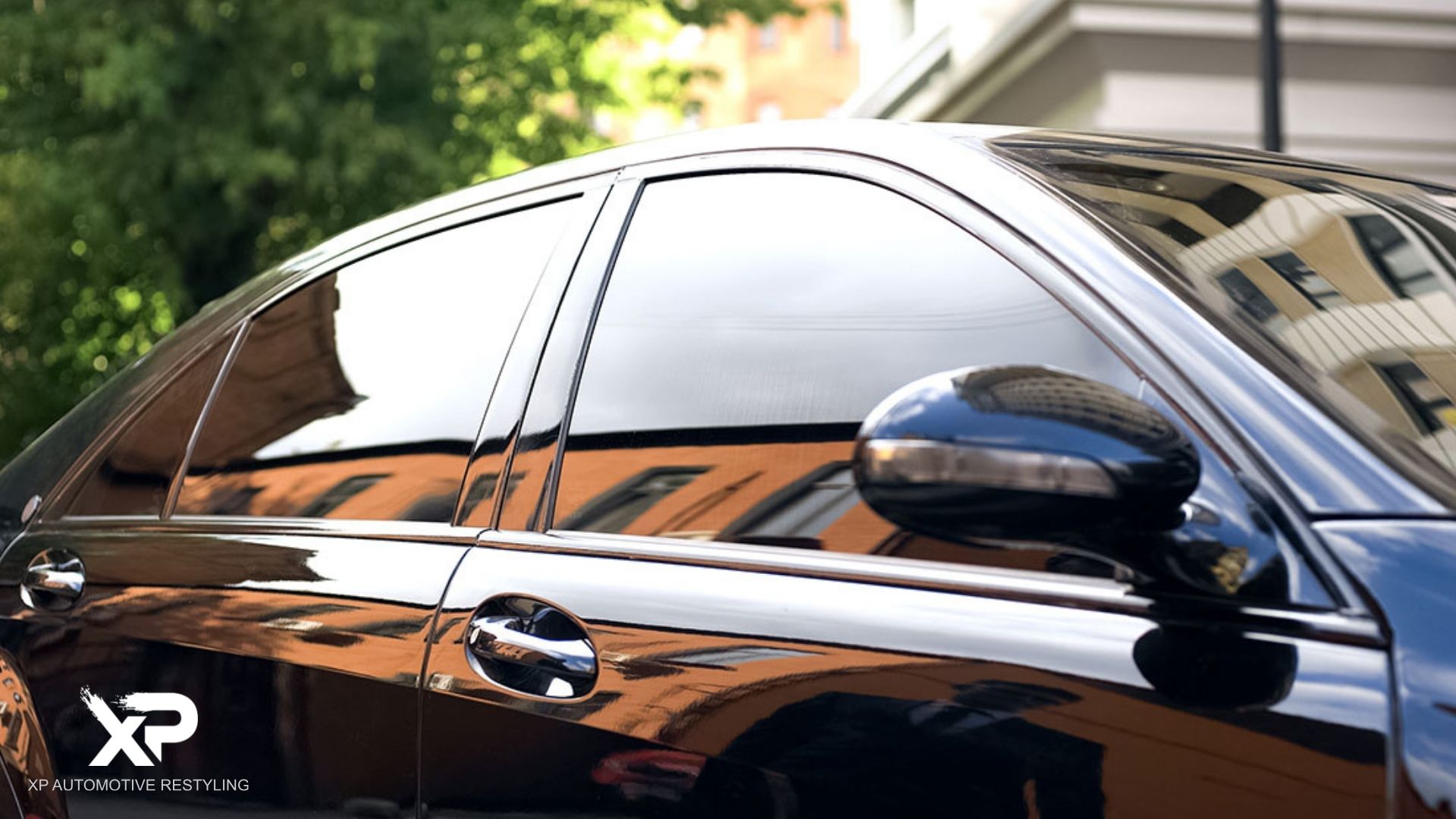
- Ceramic tint: The highest-performing option in most cases, known for superior optical clarity, strong glare control, and high overall comfort performance.
In Pennsylvania winter driving, a few performance factors matter more than people expect:
- Optical clarity, especially during gray-sky winter days
- Glare reduction strength during low sun angles and reflective road conditions
- Night visibility balance, since winter driving often happens in darker time windows
The key is matching film performance to real winter use. If tint is too dark for the driver’s environment or comfort level, visibility can suffer at night. The best approach is choosing a film that improves driving clarity while staying safe and practical for Pennsylvania winter conditions.
Pennsylvania Window Tint Laws: Staying Compliant Without Sacrificing Performance

Tint performance should never come at the cost of compliance. Pennsylvania drivers deal with inspections, local enforcement, and real safety expectations, so it’s important to stay within legal limits while still getting the benefits that matter most in winter.
The practical approach is simple: focus on performance-first film selection, and use legal tint levels to reduce glare without creating visibility issues.
That usually means:
- Choosing legal tint levels while still prioritizing glare reduction and visual comfort
- Balancing side window tint with windshield tint strip options in a way that supports safe driving
- Avoiding extremes that create unnecessary inspection issues or night visibility concerns
One of the biggest mistakes we see is drivers thinking that darker automatically means better. It doesn’t. Especially in winter, the goal is clearer vision and reduced strain, not turning the cabin into a dark box.
At XP Automotive Restyling, we help drivers make those choices intelligently because being local matters. Working with a Pennsylvania shop means you’re not guessing. Film selection and installation decisions are made with Pennsylvania requirements in mind, which keeps you protected and compliant long after the install is done.
Conclusion: A Smarter Winter Upgrade Than Most Drivers Realize
Pennsylvania winter driving challenges your visibility and comfort every time you’re on the road. The low sun angles, bright reflection off snow, and constant exposure to salt spray create a driving environment that drains focus and adds fatigue quickly.
That’s why tint makes such a difference in winter. It helps reduce harsh glare, supports more consistent driving visibility, and improves comfort behind the wheel. It can also stabilize cabin conditions and protect the interior from long-term exposure that doesn’t stop just because it’s cold outside.
From our experience, this is one of those upgrades you appreciate more every winter season. It’s subtle at first, then you realize how much easier winter driving feels when glare is controlled and your eyes aren’t constantly fighting the road.
If you’re ready to make winter driving more comfortable and more manageable, contact XP Automotive Restyling. We’ll help you choose the right film for Pennsylvania conditions and install it the right way, so you get real performance you can feel every time you drive.
XP Automotive Restyling - PPF, Window Tinting, Ceramic Coatings