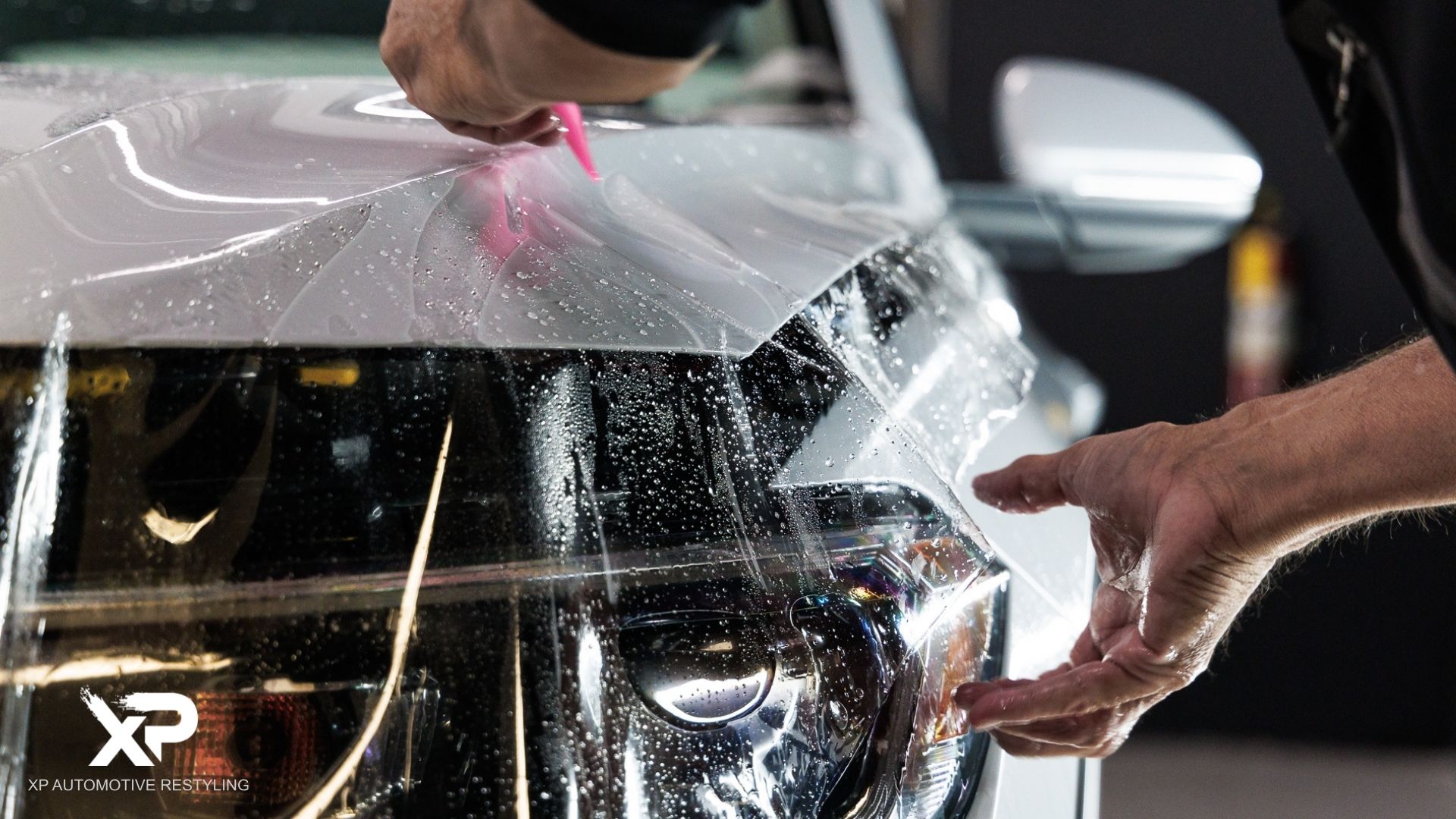
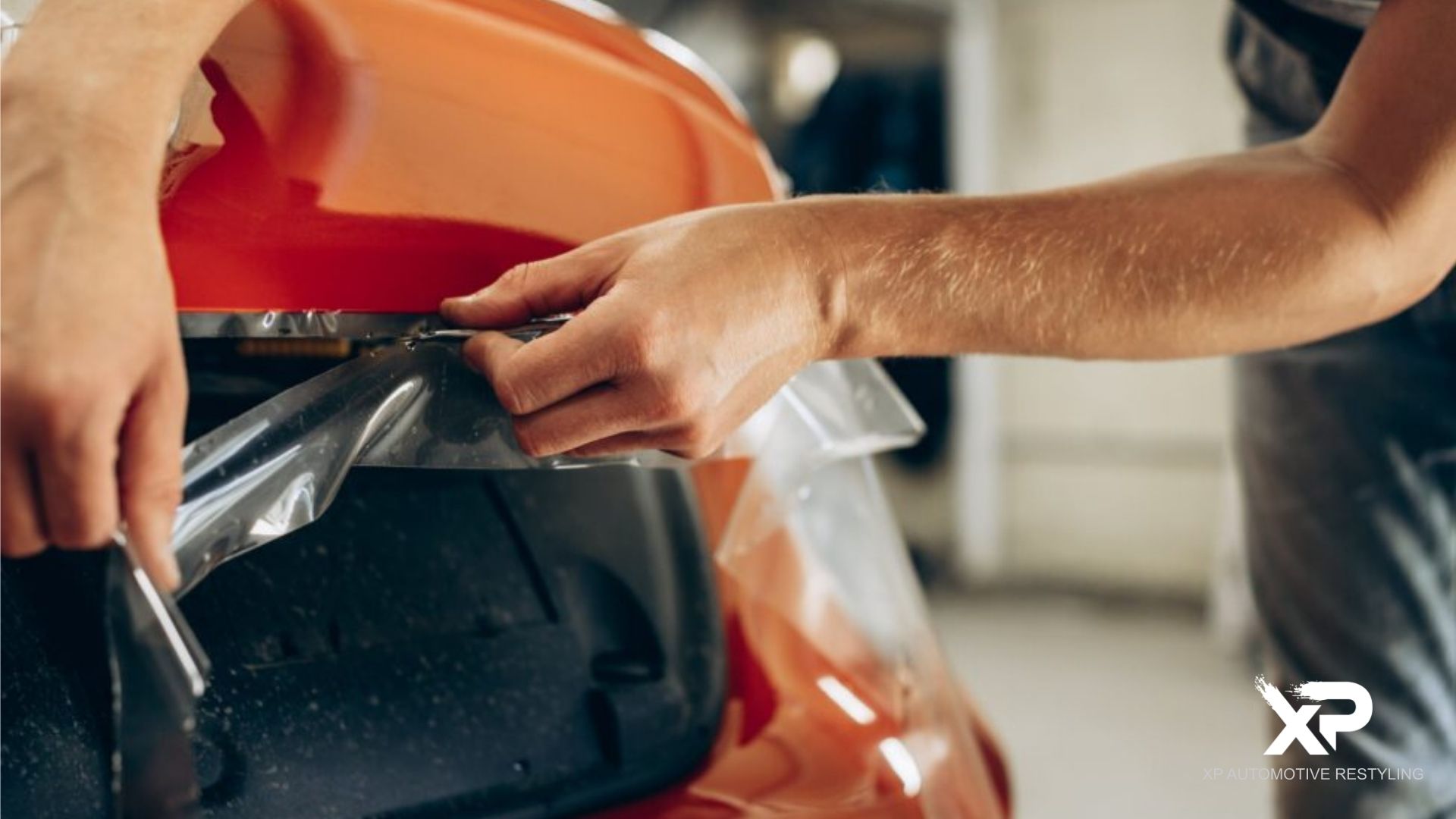
When we install paint protection film on a vehicle here in Southampton, we always remind drivers that the real value of the material depends on how it is cared for from day one. A proper maintenance routine is what keeps the film performing at its highest level long after the PPF installation is complete. Around Second Street Pike and the surrounding neighborhoods, daily driving includes slow traffic, tight turns, sudden stops, and constant exposure to tree debris. These small details of Southampton driving may not seem important at first, but they add up over time. Paint protection film serves as a long lasting barrier against these everyday conditions, and the way you maintain it is what determines how well that barrier holds up through every season.
Southampton weather changes quickly, especially during the transition months. Warm afternoons, cool nights, and the tree covered roads near residential areas create the kind of environment where taking care of the film becomes essential. When PPF is maintained with the right habits, it stays clear, smooth, and strong enough to protect the paint through heavy summer pollen, winter road treatments, and everything in between.
Understanding Paint Protection Film After Installation
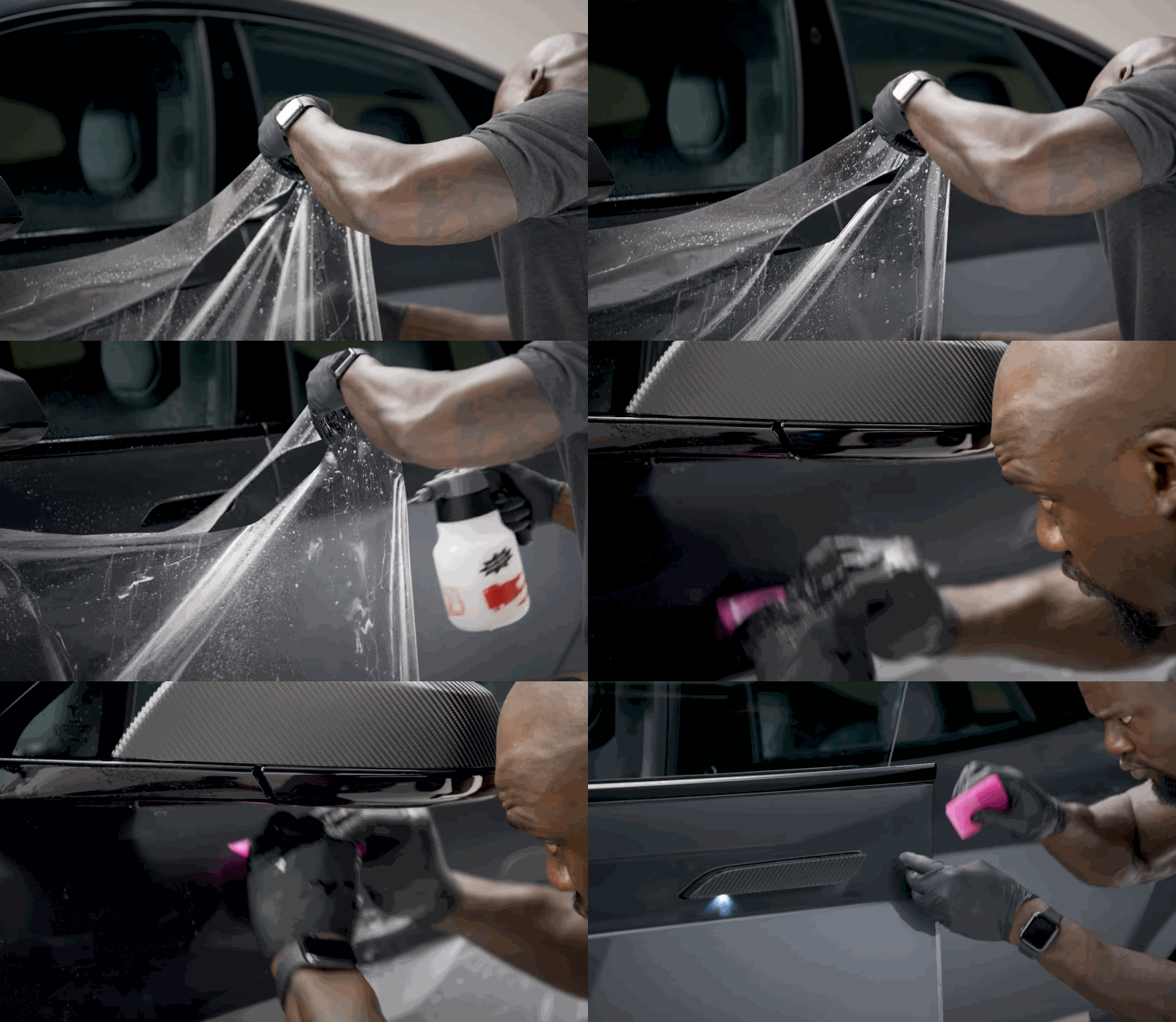
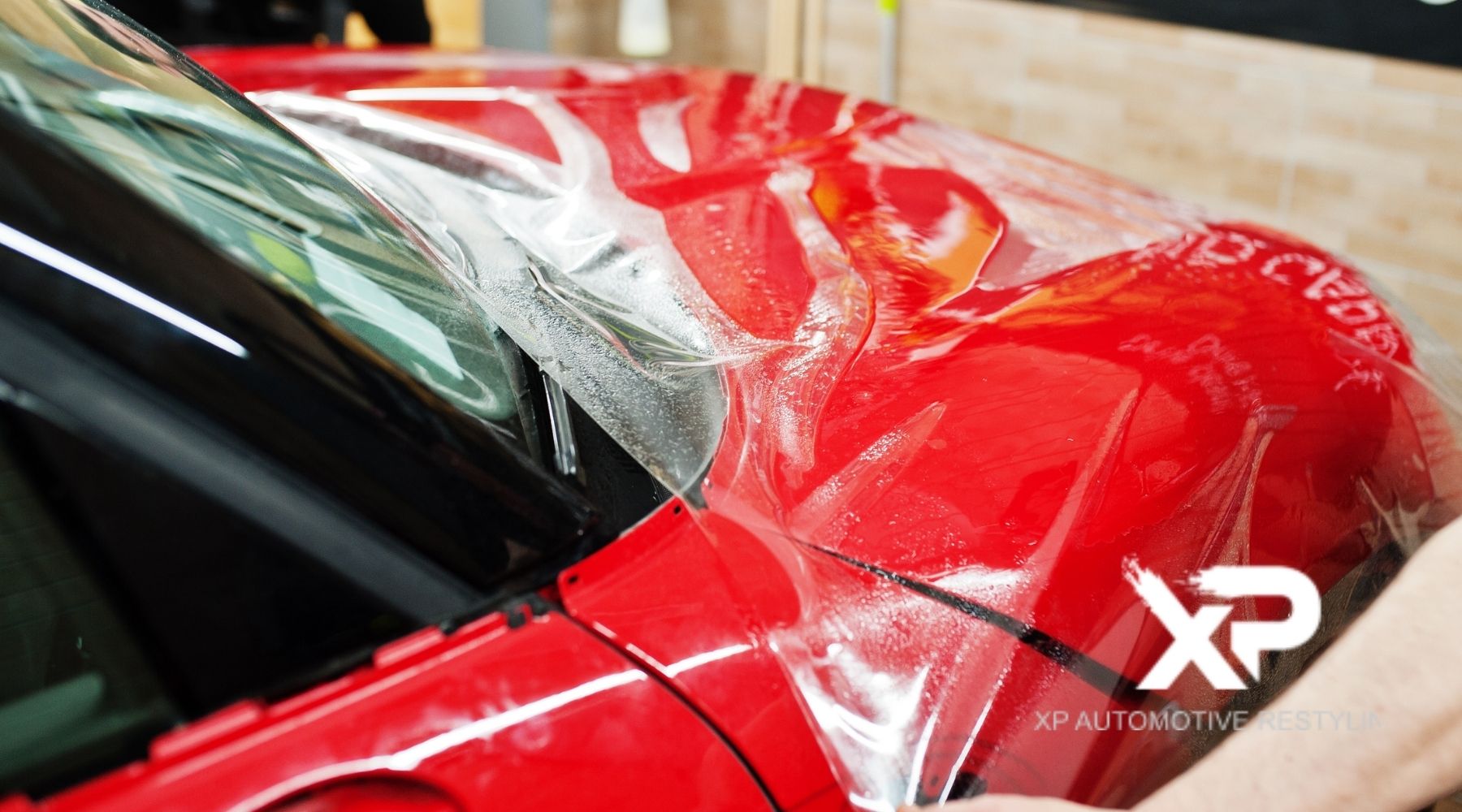
Paint protection film goes through an important settling process during the first days after installation. Once the film is applied, it begins to cure, which means it slowly bonds to the paint as moisture evaporates and the adhesive settles into place. This curing process is something we monitor closely because it affects how the surface looks and feels in the early stages.
It is very normal to see slight haziness, tiny air pockets, or a soft texture on the film during the first forty eight to seventy two hours. These small signs do not mean anything is wrong. They simply indicate that the film is adjusting to the contours of the vehicle and responding to Pennsylvania’s environment. On cooler mornings, especially during early spring and late fall, you may notice slight changes in clarity as the temperature rises through the day.
Southampton’s mix of humidity, shade, and direct sunlight can influence the speed of this process, but by the end of the first week the film typically settles into its final appearance.
First Week After PPF Installation: What Drivers in Southampton Should Avoid
During the first week, the goal is to protect the curing process and allow the film to settle without interference. Here are a few important habits to keep in mind:
- Avoid washing the vehicle during the first days so the adhesive can set without added moisture.
- Skip automatic car washes and any tools that create pressure on the surface.
- Refrain from picking at edges or pressing down on sections that look different. They usually correct themselves as the film cures.
Southampton weather plays a role in this early stage as well. Humid days can slow the curing, while cold mornings with light frost can temporarily stiffen the film before the sun warms it again. Temperature swings are common in this part of Pennsylvania, especially around County Line Road and the tree covered residential streets. These changes are normal and do not harm the film, as long as the surface is left alone to adjust naturally.
When drivers follow these simple steps during the first week, the paint protection film finishes bonding cleanly and is ready to deliver the long term protection it was designed for.
Safe Washing Routines for Long Term PPF Care
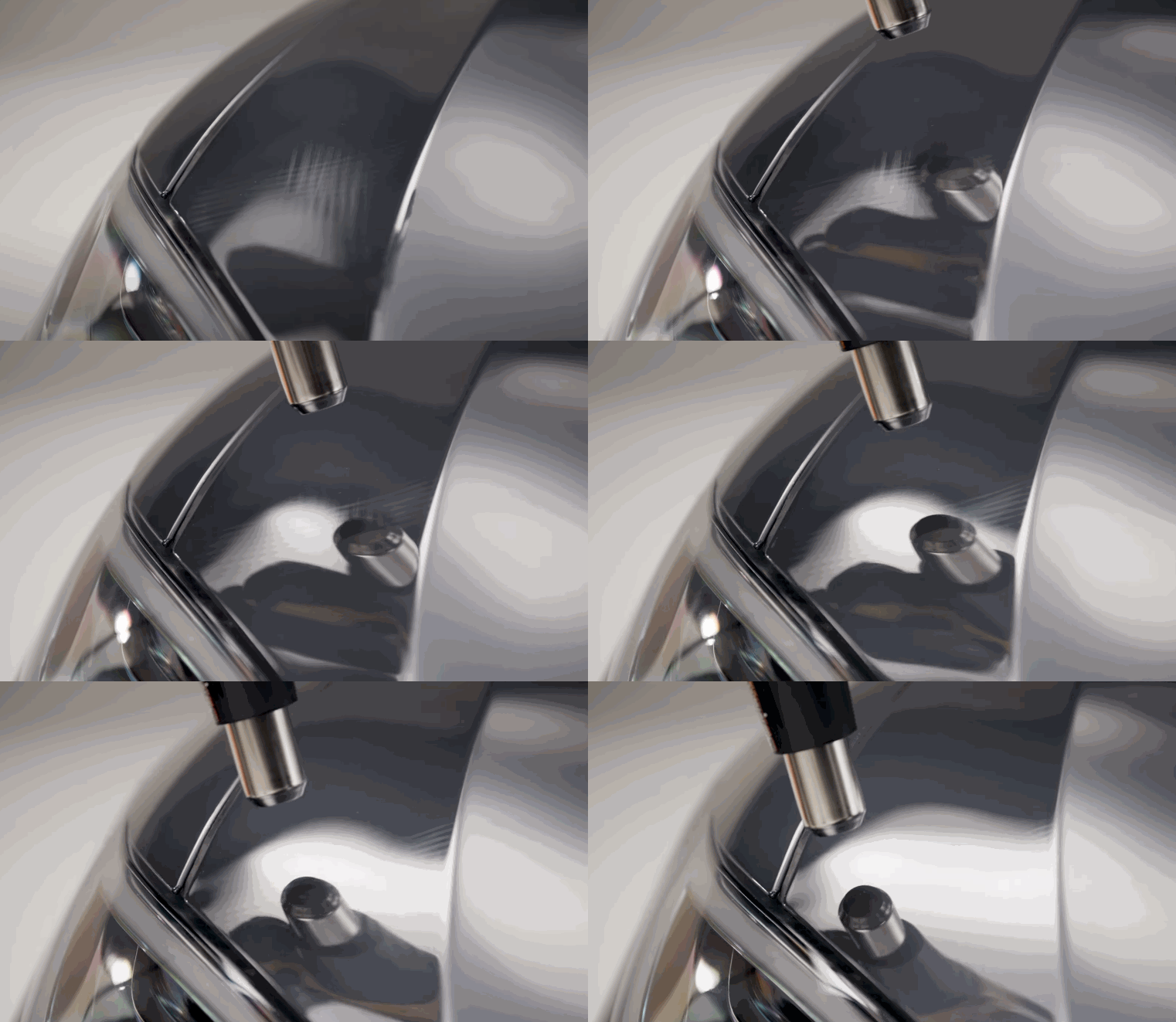
Once the paint protection film has fully settled, keeping it clean becomes a simple routine as long as the right techniques are used. At XP Automotive Restyling, we always remind drivers that a consistent PPF safe wash routine does far more for the film’s longevity than any aggressive cleaning method ever will. A gentle cleaning approach helps preserve clarity, gloss, and adhesion, especially for anyone who spends a lot of time on County Line Road or heading toward the Willow Grove area where dust, pollen, and road grime accumulate quickly.
A helpful maintenance wash schedule usually includes the following steps:
- Begin with a soft pre rinse to remove loose dirt without dragging it across the surface.
- Use a pH balanced soap designed for paint protection film.
- Wash with a high quality microfiber wash mitt using straight line motions.
- Rinse thoroughly to avoid soap residue.
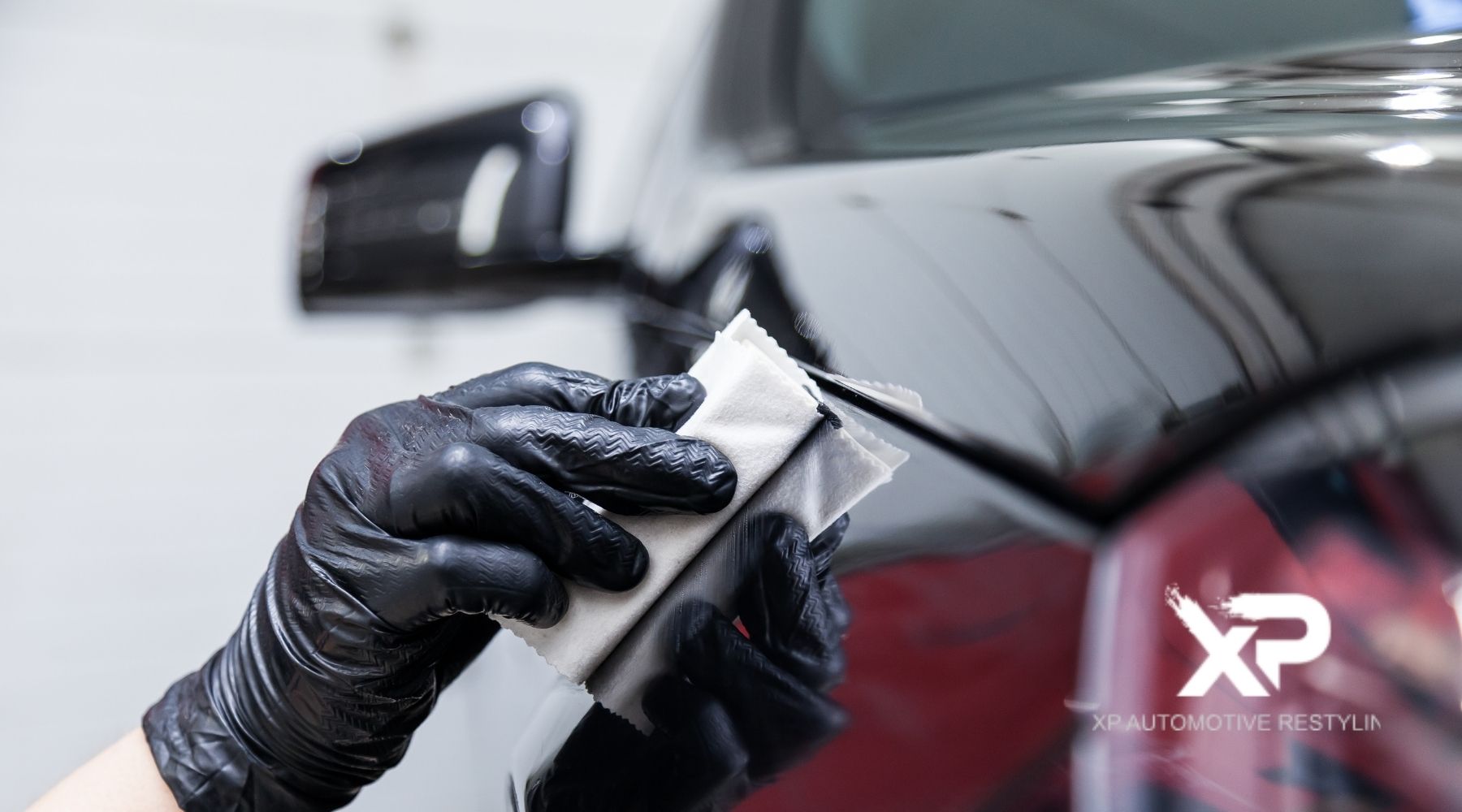
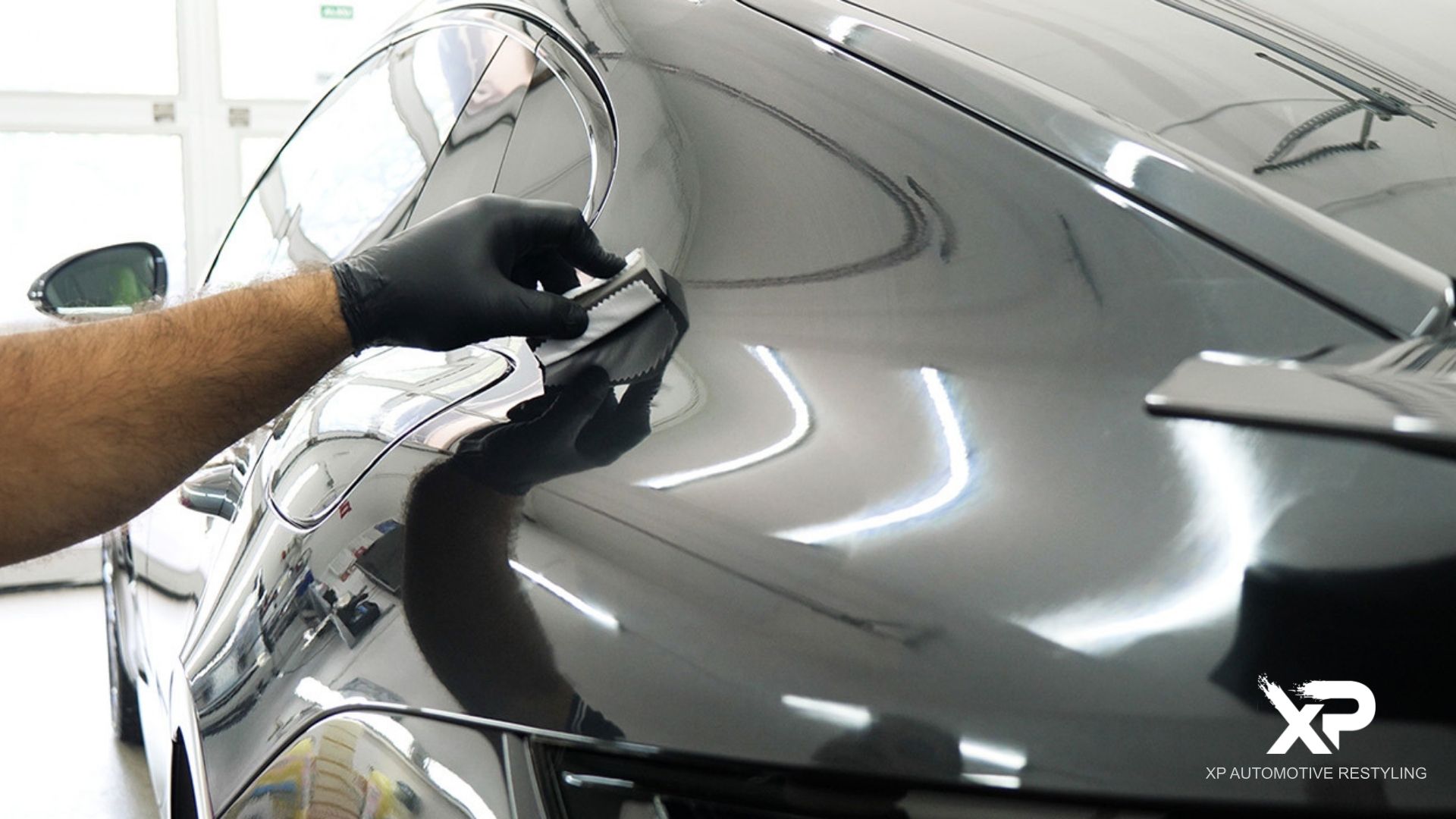
- Dry with a plush microfiber towel by gently blotting or sweeping across the surface.
These simple practices keep the film looking fresh without putting stress on the protective layer. Gentle cleaning is always the priority because unnecessary pressure or abrasive materials can introduce small marks that affect the appearance over time. With this routine, the film naturally maintains its smooth finish and continues doing its job on every drive.
Products to Use and Products to Avoid on PPF
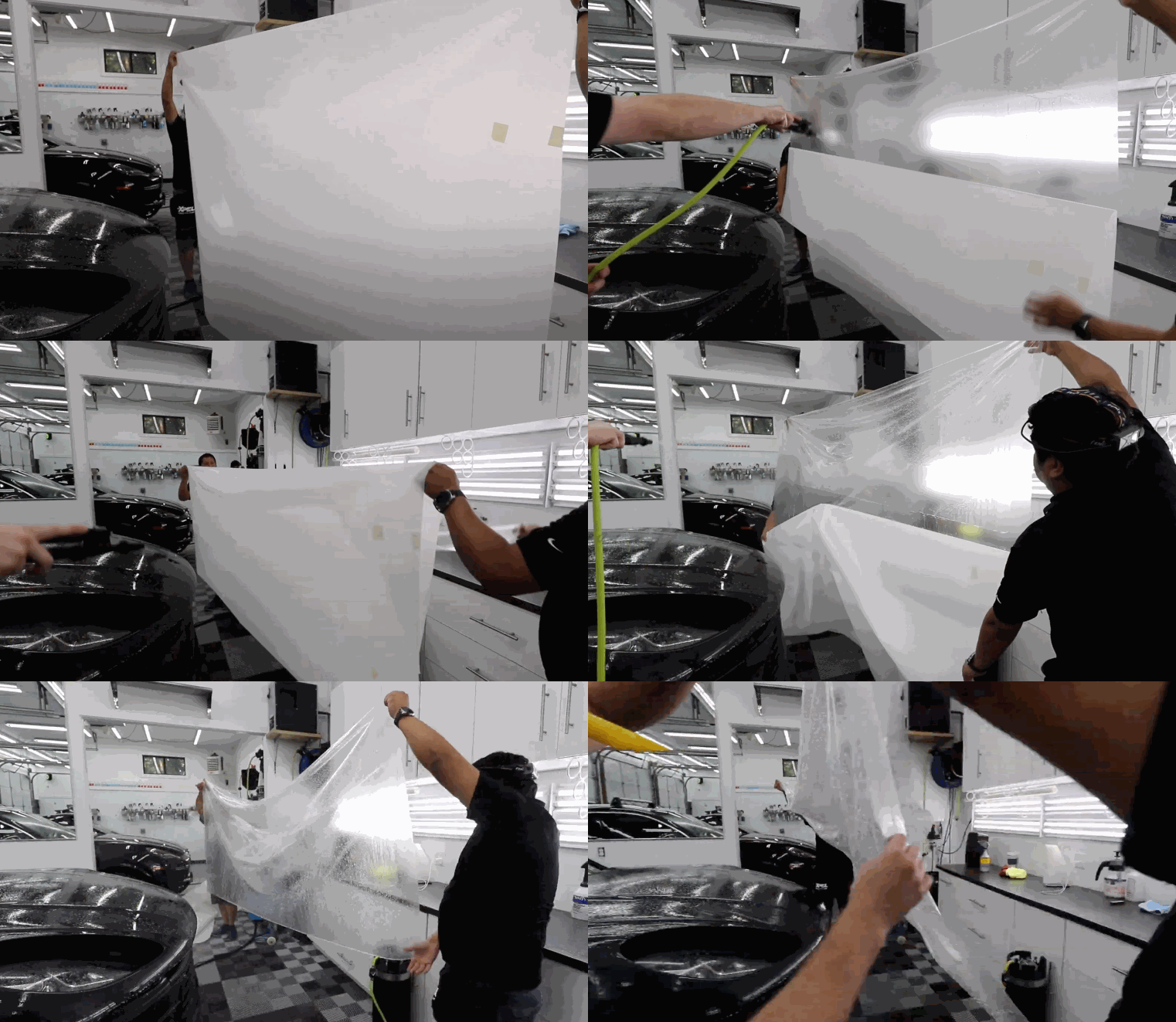
Choosing the right products makes all the difference in maintaining paint protection film. Safe soaps are typically labeled as pH neutral and free from strong solvents. These formulas loosen dirt without weakening the film’s top coat. Microfiber towels and wash mitts are essential since they lift contaminants rather than grinding them into the surface.
There are also products that should be avoided to keep the film in its best condition:
- Dish soap or heavy duty degreasers
- Scrub brushes and rough sponges
- Drying blades or tools that create pressure lines
- Polishes or compounds not labeled as film safe
For drying, a soft microfiber towel or a low pressure air blower works best. These methods prevent streaking and keep the film smooth. By sticking to film friendly products, the protective layer remains clear and strong, and the vehicle retains its polished look.
Learn more about other products: check our complete guide on ceramic coating for PA car owners.
Seasonal PPF Maintenance for Southampton Drivers
Southampton experiences very distinct seasons, and each one affects the paint protection film in a different way. Road salt in winter is one of the biggest challenges. It clings to lower panels and needs regular rinsing to prevent buildup. In autumn, leaf debris from tree lined neighborhoods can leave sap or organic residue that requires prompt removal. Summer brings strong sun exposure along main roads such as Second Street Pike, which can dry contaminants onto the film if they are not washed off in a timely manner.
Seasonal maintenance can follow a few helpful habits:
- Increase wash frequency during winter to reduce salt exposure.
- Clean sap and leaf residue promptly during fall to maintain long term durability.
- Rinse the vehicle more often in summer to remove baked on pollen and dust.
- Inspect the film carefully after storms when debris may have blown onto the surface.
These simple steps help maintain protective performance throughout the year. At XP Automotive Restyling, we encourage drivers to treat each season as a chance to reinforce the health of their paint protection film. With a consistent routine, the film stays strong, clear, and ready to protect the vehicle through every month of the Southampton climate.
Dealing With Spots, Stains, and Contaminants
On the roads and neighborhoods of Southeast Pennsylvania, contaminants like bird droppings, tree sap, pollen buildup, and road grime show up more often than most drivers expect. Paint protection film shields your paint from these elements, but the surface still needs regular attention to stay in its best condition. Spot cleaning is the key, and it can be done safely as long as the right approach is used.
When removing contaminants, the first step is always to soften the area. A warm water soak or a gentle spray of film safe cleaner helps loosen the residue without forcing any pressure onto the surface. Once softened, a clean microfiber towel can be used to lift the contaminant away in straight, light motions. Avoid scrubbing or circular rubbing, since these actions can drag particles across the film. If tree sap is stubborn, let the area soak a little longer instead of increasing force. This method protects the top layer of the film while ensuring effective contaminant removal.
Pollen buildup is another common challenge, especially during spring. A simple rinse followed by a gentle wash keeps the film clear and helps with surface preservation through the season. Regular attention prevents contaminants from baking into the material under the sun, which keeps the film looking clean and smooth throughout the year.
Why Professional PPF Checkups Matter in Southampton
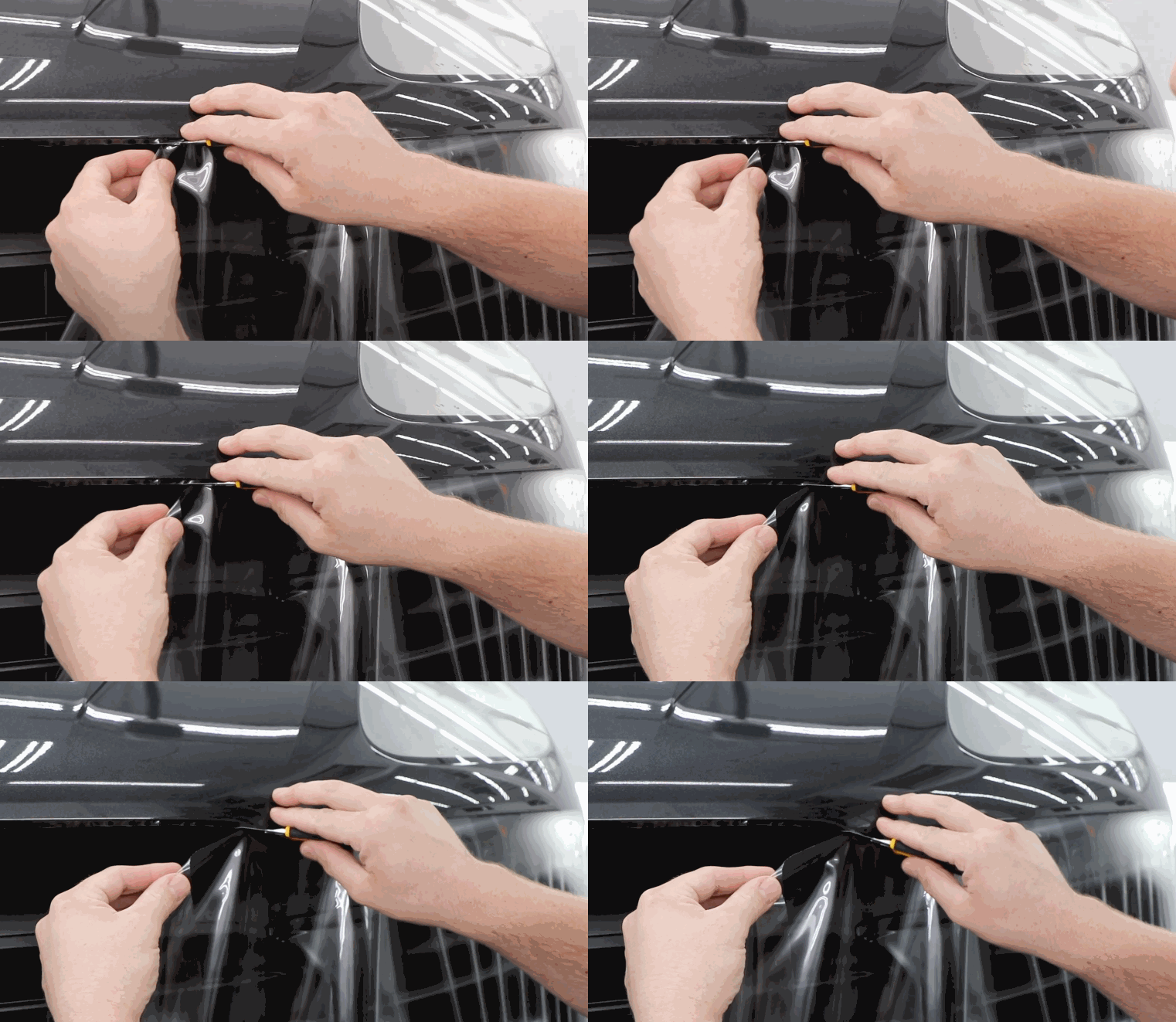
Professional inspections give your paint protection film an extra layer of care that goes beyond what regular washing or at home maintenance can catch. The film reacts to temperature changes, humidity, shaded areas, and even the way the vehicle is driven, which is why having an expert look at it from time to time makes a noticeable difference in how long it lasts.
One of the advantages of working with a local team is that we understand exactly how Southampton conditions affect the film. Our checkups often focus on signs such as:
- Edges that begin to lift or shift
- Small bubbles that stay longer than they should
- Subtle changes in clarity from seasonal weather
- Spots where the adhesive may be reacting to constant shade or moisture
These early indicators are easy to miss unless you work with paint protection film every day.
At XP Automotive Restyling, we study how the film is aging under real driving conditions and identify anything that may shorten its lifespan. This includes the effects of heavy pollen in spring, cooler morning temperatures in fall, and long highway runs that expose the front end to constant impact. Regular checkups provide reassurance that the film is settling correctly and continuing to protect the paint exactly as intended, which helps drivers get the most value from their installation.
How to Extend the Life of Your Paint Protection Film
There are several advanced care options that help extend the lifespan of paint protection film beyond basic maintenance. One of the most effective is applying a sealant that is approved for film. These sealants create a smoother and more resilient surface that makes routine washing easier. They also improve hydrophobic surface behavior, which helps water sheet off the film cleanly and reduces the likelihood of water spotting.
Adding a ceramic coating on top of the film is another option that enhances protection. Ceramic layers provide an additional barrier against contaminants and improve the long term appearance of the vehicle by keeping the film glossy and easier to clean. These upgrades contribute to enhanced protection and help the film maintain long term performance, especially in an area like Southampton where vehicles experience a mix of suburban traffic, tree lined streets, and seasonal weather changes.
With the right combination of care and protective upgrades, the film remains strong, clear, and ready to handle the daily environment for many years.
Protecting Your Vehicle in Southampton With Consistent Care
Maintaining paint protection film is one of the simplest and most reliable ways to keep a vehicle looking its best on the roads of Southampton. When drivers follow a routine built around gentle cleaning, seasonal awareness, and small habits that protect the film’s surface, the benefits show up year after year. The film stays clearer, stronger, and better prepared for everything from summer pollen to winter road treatments.
Pairing at home care with periodic professional inspections adds another layer of confidence. A quick visit allows us at XP Automotive Restyling to make sure the film is performing exactly as it should, with no early wear or subtle changes that might go unnoticed. These checkups help your investment last longer and keep your vehicle protected through every season in Southeast Pennsylvania.
If you would like guidance tailored to your driving habits or want us to take a closer look at your vehicle, you can reach out to XP Automotive Restyling for a free consultation or quote. We are always ready to help you understand the best way to care for your paint protection film and keep your vehicle in great shape without pressure or sales driven language.
XP Automotive Restyling - PPF, Window Tinting, Ceramic Coatings