If you’ve ever gotten into your car after it’s been sitting in the sun for a while, you already know how uncomfortable that heat can get. The seats feel hot, the steering wheel is hard to touch, and the A/C has to work overtime just to make the cabin feel normal again.
At XP Automotive Restyling, this is one of the questions we hear a lot from drivers in Southampton: Do all window tints provide heat rejection? It’s a fair question, especially since a lot of films can look similar once they’re installed.
The simple answer is no. Not every tint is made to perform the same way. Some films are mostly about appearance and privacy, while others are designed to reduce heat, block UV rays, and make everyday driving more comfortable. That’s why choosing the right Heat Rejection Window Tint matters more than many drivers realize.
Not All Window Tints Are Created Equal
One of the biggest misconceptions we see is the idea that if a tint looks dark, it must also block a lot of heat. That sounds logical, but it’s not always true.
The reality is that Heat Rejection Window Tint depends more on the technology in the film than on how dark it looks. Two vehicles can have tinted windows that seem almost identical from the outside, yet one may stay much cooler inside than the other.
That difference comes down to the type of film being used and how well it is designed to manage solar energy. So if your goal is to make your car more comfortable during hot weather, it’s important to look beyond appearance alone.
Why Heat Rejection Matters So Much
When sunlight comes through your vehicle’s windows, it brings in more than brightness. It also brings in the solar energy that causes your cabin temperature to rise quickly.
That is why a car can feel fine when you park it, then feel like an oven when you come back later.
This is exactly where Heat Rejection Window Tint makes a difference. A high-performance film helps reduce the amount of heat entering through the glass, which can help keep the interior more comfortable and reduce how hard your A/C system needs to work.
For drivers here in Southampton, that matters a lot during the warmer months. Whether you’re commuting, running errands, or leaving your vehicle parked outside during the day, the right tint can make every drive feel more comfortable.
If you want to learn more about how tint helps local drivers in general, we also cover that in our blog on the benefits of window tinting for cars in Southampton.
What Actually Affects Heat Rejection?
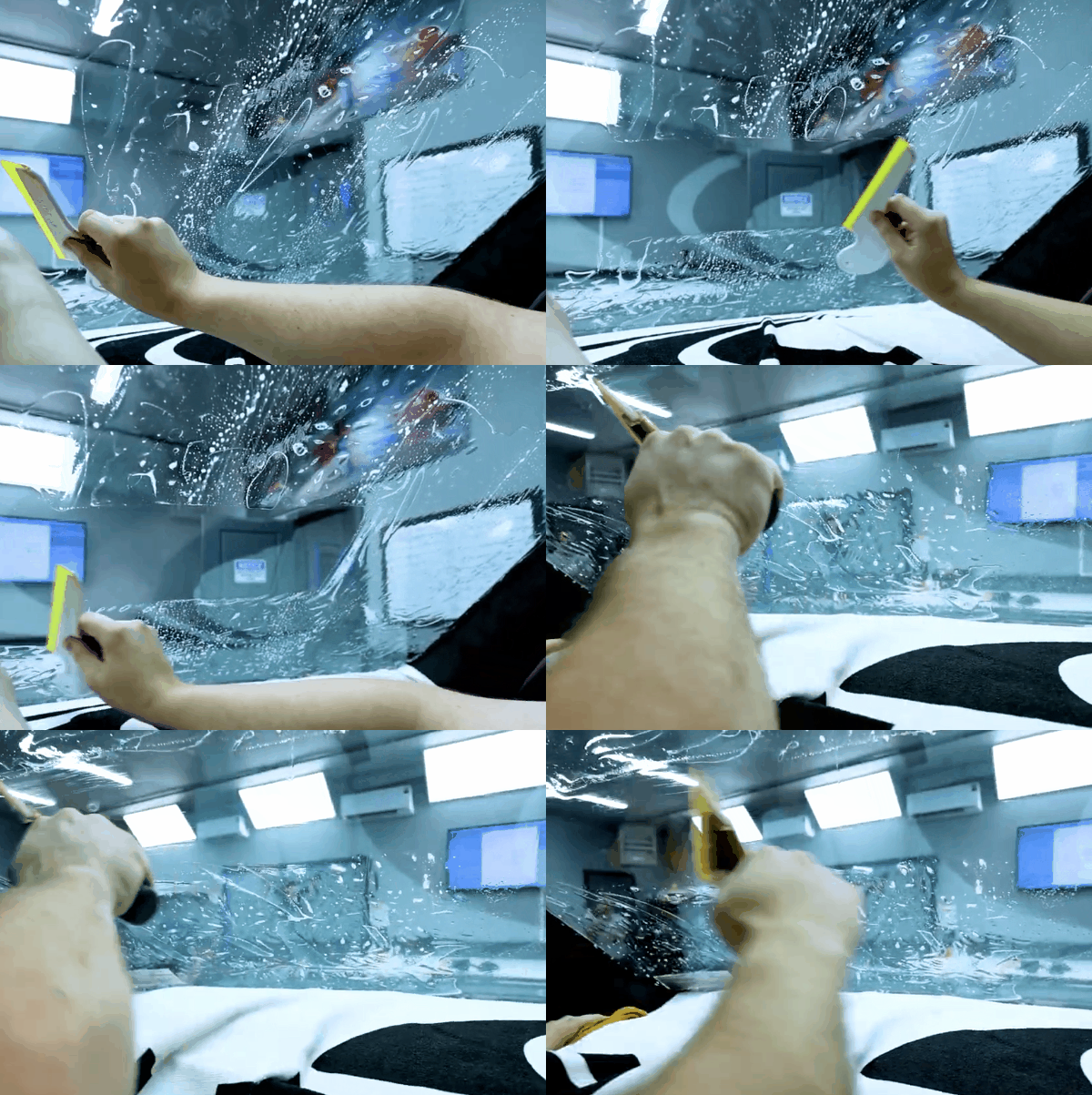
A lot of people assume all tints perform more or less the same. But there are a few important things that separate one film from another.
Film type
Different kinds of tint are built differently, and that has a direct impact on heat control.
Infrared rejection
This is a major part of the conversation. Infrared energy is one of the biggest reasons a vehicle interior feels so hot. A better film can block more of that heat.
Solar heat control
Some films are specifically designed to reduce how much solar energy enters through the glass, helping improve comfort during hot weather driving.
Visible light transmission
This refers to how dark or light the tint appears. It matters for looks and visibility, but it does not tell the whole story about performance.
That’s why shade and heat rejection should never be treated as the same thing. If you’re still comparing how dark you want your windows to be, our post on how to choose the right window tint percentage is a helpful.
Which Tint Types Reject the Most Heat?
When we talk with customers about the best window tint for heat reduction, we usually explain that different films serve different purposes.
Dyed window tint
Dyed tint is often chosen for style, privacy, and a darker appearance. It can help reduce glare, but when it comes to serious car window tint heat rejection, it usually is not the strongest option.
Metalized tint
Metalized films can offer better heat reflection than dyed films, but they may also come with downsides, especially for drivers who rely on phone signals, GPS, or other electronics.
Carbon tint
Carbon tint is often a step up from dyed film. It tends to offer better durability and improved heat performance, making it a solid middle-ground option.
Nano ceramic window film
When comfort is the priority, ceramic is usually where the conversation changes. Nano ceramic films are designed for stronger infrared rejection, better solar heat control, glare reduction, and UV protection. They also tend to be signal-friendly, which makes them a strong choice for modern vehicles.
That’s one reason ceramic window tint heat rejection gets so much attention. If you are trying to choose a window tint that blocks heat and UV rays, ceramic film is often the premium option worth considering.
You can learn more about our tint options on our window tint service page.
Is Ceramic Tint Better Than Dyed Tint for Heat Rejection?
In most cases, yes.
At XP Automotive Restyling, we’ve seen that ceramic film is the better choice for drivers who want real heat control rather than just a darker look. When comparing ceramic tint vs dyed tint heat rejection, ceramic usually performs better because it is built to do more than improve appearance.
That means a more comfortable interior, less harsh heat buildup, and better performance during summer driving. For many customers, that difference becomes obvious pretty quickly once they understand what separates a basic tint from a premium one.
Does Darker Tint Mean Better Heat Rejection?
This is another common question we hear, and the answer is no, not always.
A darker film can help with privacy and glare reduction, but that does not automatically mean it is better at keeping heat out. In many cases, a lighter, high-quality infrared heat rejection window tint can outperform a darker basic film.
That is why we always encourage drivers to think about what they want their tint to do, not just how they want it to look.
If comfort is your top priority, then choosing the right Heat Rejection Window Tint is about performance, not just shade.
Why Southampton Drivers Should Care About This
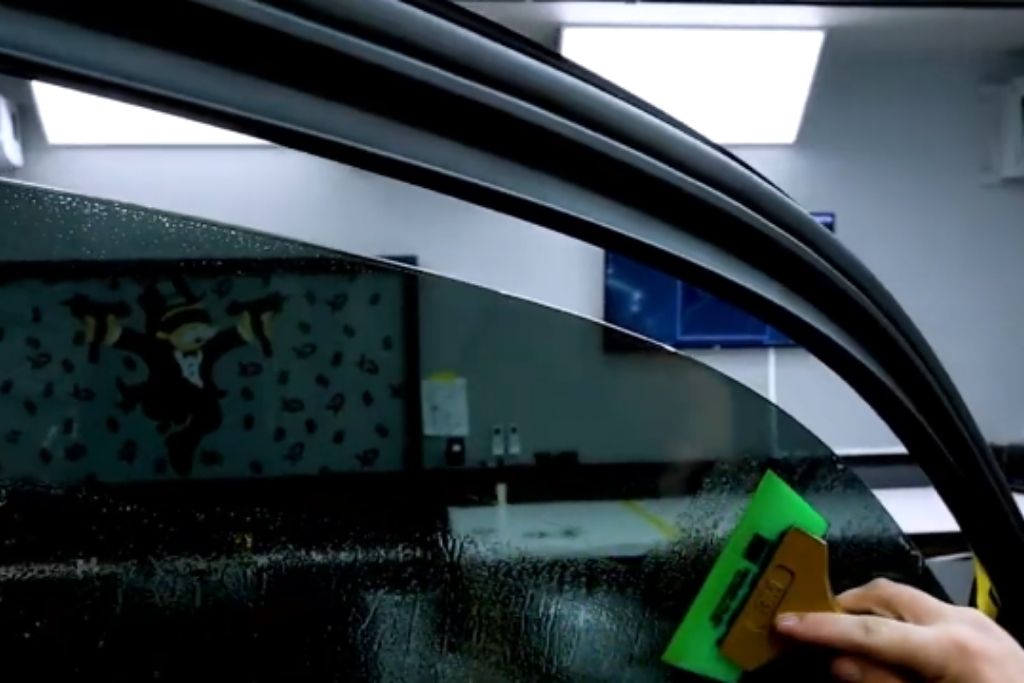
Living and driving in Southampton means dealing with seasonal temperature swings, sunny days, and the kind of heat buildup that can make your vehicle uncomfortable fast.
For many drivers, tint is not just about aesthetics anymore. It is about making the vehicle easier to live with every day.
The right tint can help with:
- keeping the cabin cooler
- reducing glare during bright daytime driving
- improving comfort for passengers
- protecting the interior from sun exposure
- creating a better overall driving experience
And while most people think about tint during summer, it can also provide year-round value. We talk more about that in our post on window tint benefits for winter driving in Pennsylvania.
Why Professional Installation Still Matters
Even the best film can fall short if it is not installed correctly.
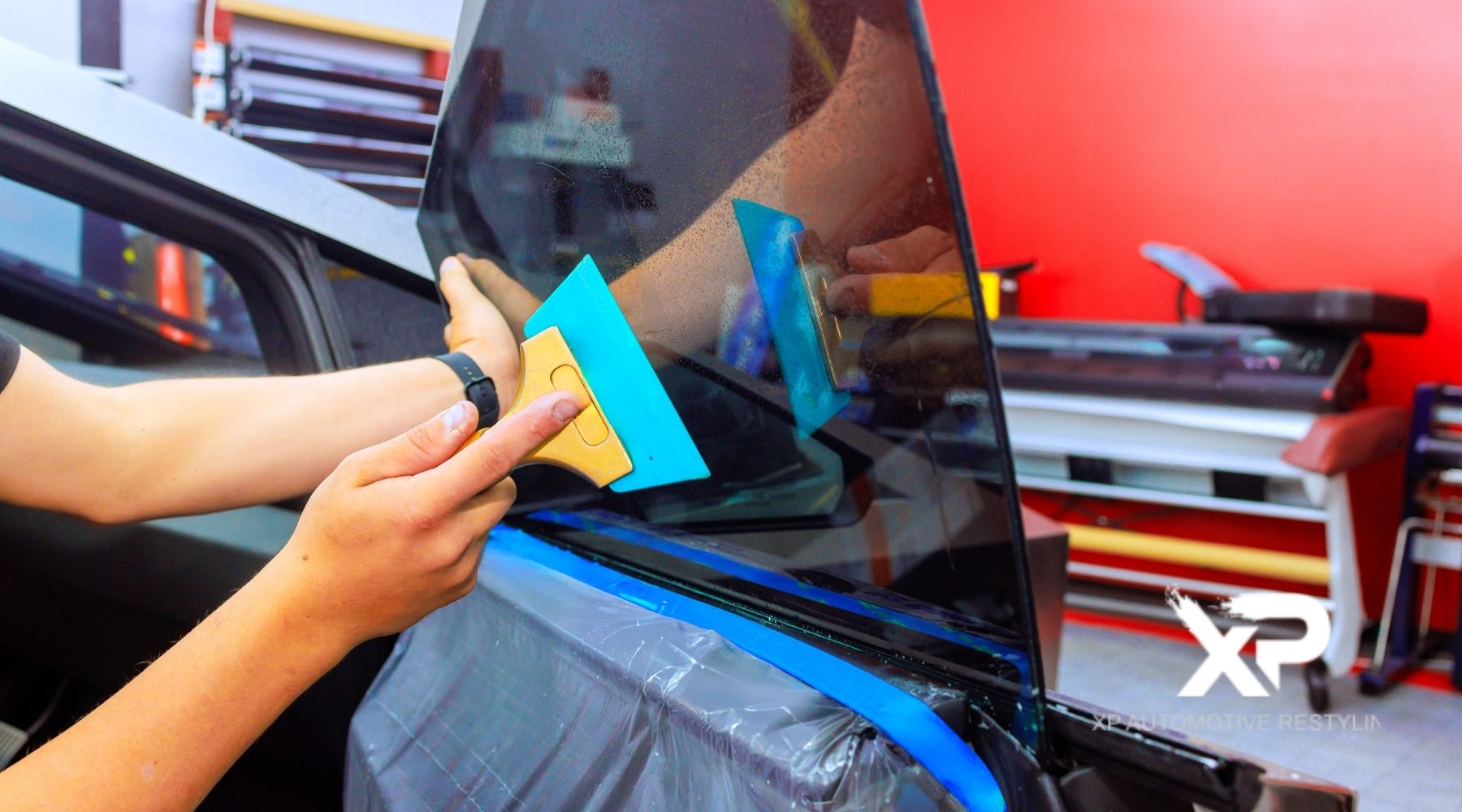
At XP Automotive Restyling, we believe the product and the installation go hand in hand. Clean edges, proper fitment, optical clarity, and long-term durability all matter just as much as the film itself.
When drivers search for Southampton PA window tinting, they are usually not just looking for someone to apply a film. They are looking for a shop they can trust to help them choose the right solution for their vehicle, their comfort needs, and their long-term goals.
That’s exactly how we approach it.
Why Drivers Choose XP Automotive Restyling
At XP Automotive Restyling, we focus on helping drivers find the right tint for the way they actually use their vehicles. Some customers want better comfort for daily commuting. Others want stronger UV protection, less glare, or a cleaner finished look. Some want all of it.
That’s why we take the time to explain the differences between films and help customers choose a Heat Rejection Window Tint that matches what matters most to them.
For us, it’s never just about making a vehicle look better. It’s about helping make it more comfortable, more protected, and more enjoyable to drive.
Final Thoughts
So, do all window tints provide heat rejection for Southampton drivers?
Not in the same way, and definitely not at the same level.
Some films provide only limited heat control, while others are specifically designed to reduce solar heat and improve cabin comfort. That is why choosing the right Heat Rejection Window Tint matters so much.
At XP Automotive Restyling, we believe drivers should look beyond darkness alone and focus on performance, comfort, and long-term value. The right tint should do more than change the look of your vehicle. It should make every drive feel better.
If you’re ready to talk about options for your vehicle, you can contact XP Automotive Restyling here or visit our homepage to learn more about what we offer.
XP Automotive Restyling - PPF, Window Tinting, Ceramic Coatings